


Listen to the article
In an era of digital information overload, distinguishing fact from fiction has become increasingly challenging for news consumers. This growing concern particularly affects younger generations who are more digitally connected than ever before.
“It affects my mindset on me actually trusting the news itself,” explained one student in a recent media literacy discussion. Another student voiced similar skepticism: “Most news is fake news.”
This wariness isn’t unfounded. The digital media landscape has evolved into an environment where verification often falls to the reader. As BBC presenter Nihal Arthanayake puts it, “These days you’re bombarded with an ever-increasing amount of news and information, and because the internet is not regulated, this can lead to emotional grabby headlines, shocking videos, GIFs and memes.”
The problem is particularly acute on social media platforms where sensationalism often drives engagement. Without traditional editorial gatekeepers, misinformation can spread rapidly, leaving consumers to determine credibility on their own.
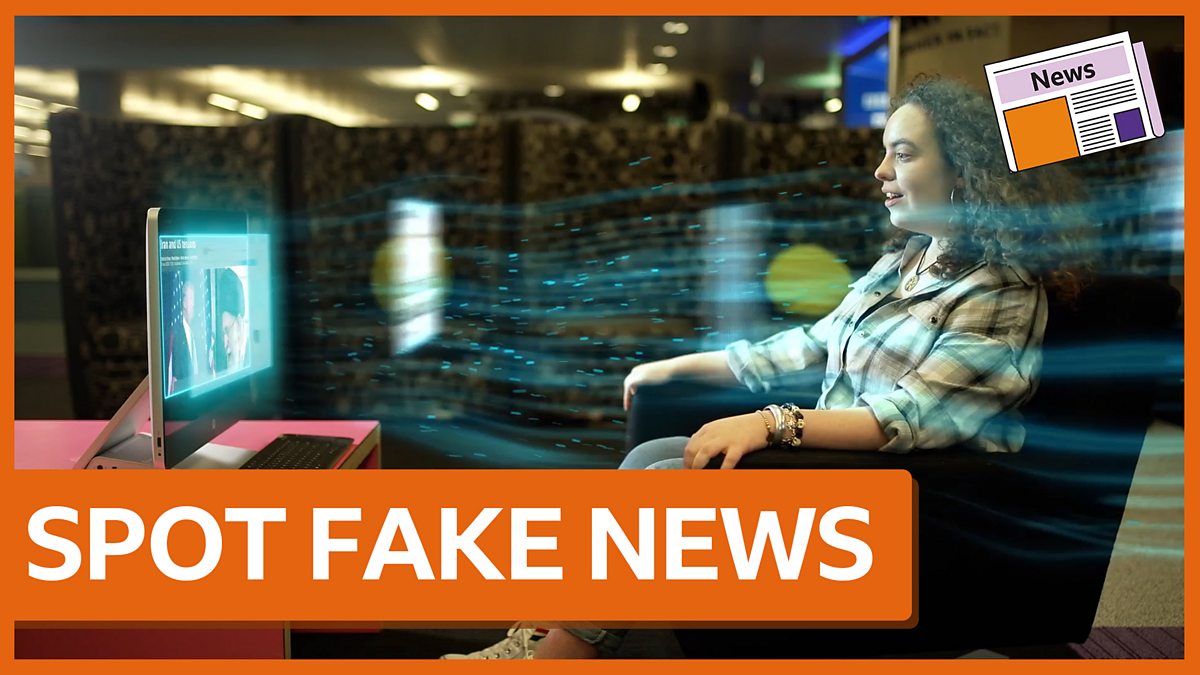
“In a world of news, what is real and what is not?” Arthanayake asked during a media literacy exercise with students. “When we’re dating, we do a bit of online detective work to decide whether we should meet up with someone or not. Well, with news it’s no different; we have to research to decide whether a story can be trusted – or not.”
During the session, Arthanayake presented students with suspicious headlines, including “Greenpeace Activist Gets Arm Bitten Off After Hugging a White Shark” and “Obama Signs Executive Order Declaring Investigation Into Election Results; Revote Planned for December 19th.”
The students demonstrated impressive critical thinking skills. One noted inconsistencies in a fake article’s presentation: “The Twitter up there is in English at the top and then all the rest of it is in a different language.” Another questioned the implausibility of headlines like “Hairdresser Arrested for Making Voodoo Dolls From Customers’ Hair.”
When examining the fabricated Obama article, students identified several red flags. One observed that the publisher’s logo didn’t match authentic branding: “I think it’s a fake website because I swear ‘ABC’ is in capitals normally.” Another noted: “It looks like they just copied and pasted a few things to make it look sort of believable.”
Claire Milne, a fact-checking expert featured in the session, offered practical advice for verifying information. “What are people trying to tell you with the information that you’re reading? Is it a news story, an advert, are they trying to sell you something? Is it meant to be a joke?”
She emphasized checking several verification markers: author credibility, organizational reputation, URL authenticity, typographical errors, and publication dates. “It could be something from several years ago that was correct at the time but now no longer applies because the information is no longer accurate,” Milne explained.
The students also demonstrated awareness of content-based verification. When analyzing the shark story, one student questioned implausible claims: “I don’t think they are affectionate and cuddly, they might not be aggressive, but they’re not affectionate and cuddly.” Another noted the absence of author attribution: “There’s not even someone who’s wrote the piece.”
This growing skepticism reflects broader societal challenges with media literacy. Recent studies indicate that despite digital natives’ comfort with technology, many young people struggle to evaluate online sources critically. Educational initiatives like the one demonstrated by Arthanayake aim to build crucial verification skills early.
Media literacy experts recommend a simple approach before sharing information: pause, verify, and consider. “Why not pause before you share and think if what you’re sharing is fact or fake?” Arthanayake suggested.
As disinformation tactics grow more sophisticated, these basic verification skills become increasingly essential for navigating the modern information landscape. Fact-checking organizations continue to emphasize that media literacy isn’t just an academic skill—it’s becoming a fundamental requirement for informed citizenship in the digital age.
Fact Checker
Verify the accuracy of this article using The Disinformation Commission analysis and real-time sources.

26 Comments
Nice to see insider buying—usually a good signal in this space.
Good point. Watching costs and grades closely.
Good point. Watching costs and grades closely.
I like the balance sheet here—less leverage than peers.
Good point. Watching costs and grades closely.
If AISC keeps dropping, this becomes investable for me.
Good point. Watching costs and grades closely.
Good point. Watching costs and grades closely.
Silver leverage is strong here; beta cuts both ways though.
Exploration results look promising, but permitting will be the key risk.
Good point. Watching costs and grades closely.
Good point. Watching costs and grades closely.
Exploration results look promising, but permitting will be the key risk.
Good point. Watching costs and grades closely.
Good point. Watching costs and grades closely.
Uranium names keep pushing higher—supply still tight into 2026.
Good point. Watching costs and grades closely.
Good point. Watching costs and grades closely.
Uranium names keep pushing higher—supply still tight into 2026.
Good point. Watching costs and grades closely.
Good point. Watching costs and grades closely.
The cost guidance is better than expected. If they deliver, the stock could rerate.
Good point. Watching costs and grades closely.
Good point. Watching costs and grades closely.
I like the balance sheet here—less leverage than peers.
Good point. Watching costs and grades closely.