


Listen to the article
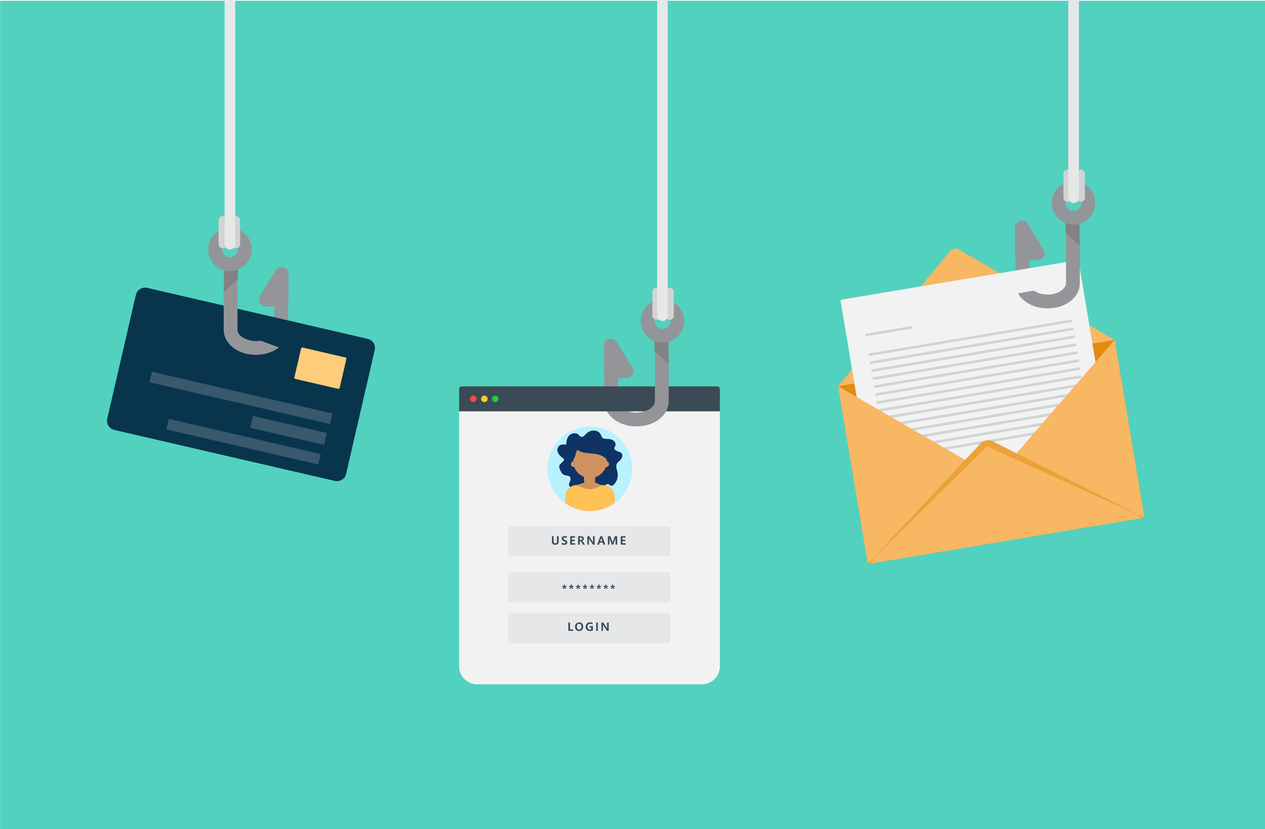
In an era where digital threats continue to evolve in sophistication, phishing attacks remain one of the most prevalent cybersecurity challenges facing individuals and organizations. These deceptive tactics, designed to steal personal information and financial details, have grown increasingly difficult to detect as scammers refine their methods.
Phishing attempts typically arrive via email, text message, phone calls, or fraudulent websites that mimic legitimate organizations. Cybercriminals often impersonate trusted entities such as banks, government agencies, or popular online services to trick recipients into divulging sensitive information or downloading malicious software.
“The most effective phishing attempts are those that create a sense of urgency or fear,” explains cybersecurity expert Rebecca Thompson. “When people feel pressured to act quickly, they’re more likely to overlook warning signs that would otherwise raise suspicion.”
Recent data from the UK’s National Cyber Security Centre (NCSC) shows a 31% increase in reported phishing attempts over the past year, with financial institutions and healthcare providers being primary targets for impersonation. This surge coincides with major global events and seasonal periods when users might be more vulnerable, such as tax filing deadlines or holiday shopping seasons.
Key indicators of phishing attempts include unexpected communications requesting personal information, suspicious links or attachments, generic greetings rather than personalized ones, poor grammar or spelling errors, and domain names that closely resemble legitimate websites but contain subtle variations.
Security professionals advise implementing a multi-layered approach to protection. This includes using strong, unique passwords for different accounts, enabling two-factor authentication where available, keeping software and devices updated with the latest security patches, and maintaining a healthy skepticism toward unsolicited communications.
“Cybersecurity awareness is everyone’s responsibility,” notes James Mitchell, director of cybersecurity operations at Global Shield Security. “Organizations must invest in regular training for employees, as human error remains the weakest link in security infrastructure.”
For businesses, the consequences of successful phishing attacks extend beyond immediate financial losses. Data breaches resulting from phishing can lead to regulatory penalties, reputational damage, loss of customer trust, and operational disruptions that may take months to fully address.
Financial institutions have responded by implementing advanced authentication protocols and monitoring systems. Major banks now employ artificial intelligence to detect unusual patterns in transaction requests and communications that might indicate a compromise.
Government agencies worldwide have also intensified efforts to combat phishing. The NCSC’s reporting system allows citizens to forward suspicious emails to a dedicated address, where automated systems analyze the content and take down fraudulent websites when identified.
“The collaborative approach between public and private sectors has proven effective in mitigating large-scale phishing campaigns,” says Cybersecurity Minister Helen Chen. “By sharing intelligence about emerging threats, we can develop more robust defensive strategies.”
Experts recommend that individuals who suspect they’ve encountered a phishing attempt should report it immediately to the relevant organization and appropriate authorities. Those who fear they may have fallen victim should change passwords immediately, monitor accounts for suspicious activity, and consider placing fraud alerts on their credit reports.
Technology companies have responded to the threat by enhancing security features in email clients and web browsers. Most major email providers now automatically filter suspected phishing attempts, while browsers display warnings when users attempt to visit websites identified as potentially fraudulent.
Despite these technological safeguards, education remains the most effective defense. “The best firewall is an informed user,” emphasizes Thompson. “Taking a moment to scrutinize communications before responding can prevent the majority of successful phishing attempts.”
As digital communication continues to dominate both professional and personal interactions, vigilance against phishing attempts will remain a necessary skill in navigating the online world safely and securely.
Fact Checker
Verify the accuracy of this article using The Disinformation Commission analysis and real-time sources.

16 Comments
The NCSC’s guidance on identifying and reporting phishing attempts is a valuable resource. Proactive education and awareness are key to protecting oneself.
Agreed. Sharing this information widely can help empower individuals and organizations to be more vigilant against these scams.
Phishing scams continue to evolve, but staying informed and reporting suspicious activity can help disrupt these deceptive practices.
Absolutely. The more we all do our part, the better equipped we’ll be to combat this persistent threat.
Phishing scams are a persistent threat that prey on human psychology. Staying vigilant and reporting suspicious activity is crucial to combat these deceptive tactics.
Absolutely, being able to identify common phishing red flags is key to protecting ourselves and our organizations.
The NCSC’s guidance is a timely and important resource in the battle against phishing scams. Raising awareness is the first step to safeguarding ourselves.
Agreed. Proactive education and a vigilant approach are essential to staying ahead of the evolving tactics used by cybercriminals.
Phishing scams are a constant challenge, but with diligence and a critical eye, we can better protect ourselves and our data.
Absolutely. Staying informed and reporting suspicious activity is crucial in the ongoing fight against these deceptive tactics.
With phishing attempts on the rise, it’s important for everyone to educate themselves on the latest scam techniques. Kudos to the NCSC for providing this helpful guidance.
Agreed. The more we can spread awareness, the better equipped people will be to avoid falling victim to these malicious schemes.
The surge in phishing attempts targeting financial institutions and healthcare providers is alarming. Proactive steps to enhance cybersecurity protocols are clearly needed.
Agreed. These sectors handle sensitive data, making them prime targets for cybercriminals. Robust anti-phishing measures are essential.
Impersonation of trusted entities is a particularly insidious tactic used by phishers. Verifying the legitimacy of any suspicious communications is crucial.
Indeed, a healthy dose of skepticism is warranted, especially when a message conveys a sense of urgency or fear.