


Listen to the article
Sharing Health Misinformation on Social Media Can Have Serious Consequences, Experts Warn
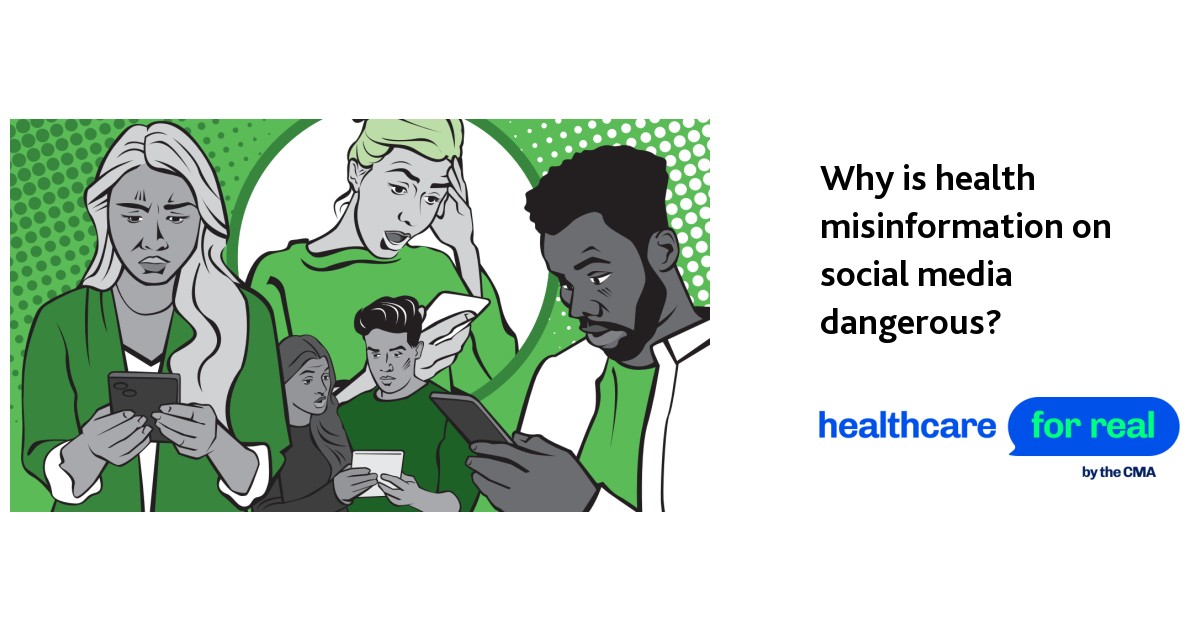
In an age where information travels at unprecedented speed, health misinformation spread through social media platforms has emerged as a significant public health concern. Experts caution that the seemingly harmless act of sharing unverified health information can lead to serious consequences, from delayed medical treatment to endangering lives.
The rapid-fire nature of social media makes it easy to share content without verification. Many users admit to sharing posts without checking sources, a behavior that health communication specialists identify as particularly problematic when it comes to medical advice and health claims.
“When you share health misinformation, even with good intentions, you’re potentially putting others at risk,” explains Dr. Samantha Reynolds, a health communication researcher. “What seems like innocent content sharing can have real-world implications for vulnerable individuals seeking answers about their health conditions.”
Recent examples highlight the danger. False claims that sunscreen causes cancer have circulated widely on social platforms, contradicting established medical evidence. Cancer research organizations emphasize that sunscreen remains a crucial protective measure against skin cancer, and avoiding it based on misinformation puts people at significant risk.
COVID-19 misinformation continues to present challenges to public health efforts. Claims suggesting vaccines are more dangerous than the virus itself due to side effects have been repeatedly debunked by medical authorities. Studies show that conditions like myocarditis are actually seven times more likely to develop after a COVID-19 infection than following vaccination.
Another persistent piece of health misinformation involves the thoroughly discredited claim linking vaccines to autism. Despite being repeatedly disproven by extensive scientific research, this myth continues to circulate online, potentially influencing parents to avoid vaccinating their children against preventable diseases.
The impact of such misinformation extends beyond individual health decisions. According to a 2024 study, Canadians report trusting information from people they know personally—friends, neighbors, and coworkers—more than content from journalists or government leaders. This finding underscores the responsibility social media users bear when sharing health-related content.
“Every time you share, like, or comment on posts, you amplify that information throughout your social network,” notes social media analyst Marcus Chen. “Your followers—particularly those who trust you—may take that information at face value without conducting their own verification.”
Health communication experts recommend several verification steps before sharing health information online. Using established fact-checking resources like Snopes.com can quickly identify debunked claims. Tracing information to its original source is equally important, as is verifying the credibility of that source through independent research.
Cross-referencing information across multiple reputable sources provides another layer of protection against misinformation. Health claims that appear on established medical institution websites or are reported by multiple credible news outlets are more likely to be accurate than isolated claims from unknown sources.
Digital literacy advocates emphasize that these verification habits benefit more than individual health decisions—they contribute to a healthier information ecosystem overall.
“Even seemingly minor misinformation creates clutter in our digital spaces,” explains information science professor Dr. Elena Morales. “When the online environment is saturated with questionable content, it becomes increasingly difficult for reliable, evidence-based health information to reach those who need it most.”
As social media platforms continue to serve as primary information sources for many users, health communication specialists stress the importance of developing stronger verification habits. Being mindful about the content we amplify isn’t just digital etiquette—it’s increasingly a matter of public health responsibility.
“In the digital age, we’ve all become broadcasters,” Dr. Reynolds adds. “That role comes with the responsibility to ensure we’re not inadvertently causing harm through the health information we choose to share.”
Fact Checker
Verify the accuracy of this article using The Disinformation Commission analysis and real-time sources.

10 Comments
The rapid spread of misinformation on social media is a real challenge. I hope health authorities and platforms can work together to find ways to combat the spread of harmful falsehoods about health and medicine.
Wow, this is really concerning. Health misinformation can have such serious consequences. I hope authorities and platforms can find effective ways to address this issue and protect public health.
This is a timely and important topic. The speed and scale of information sharing on social media makes it a breeding ground for misinformation that can put people’s health at risk. We all need to be more vigilant consumers of online content.
This is a really important issue that deserves more attention. The potential for health misinformation to cause real harm is very worrying. We all need to be more discerning about the sources and accuracy of the medical information we encounter online.
This is a concerning trend. Health misinformation can be extremely dangerous if it leads people to make uninformed decisions about their medical care. We need to find ways to combat the spread of false claims online.
Sharing unverified health claims, even with good intentions, can put vulnerable people at risk. We need to be more careful about the information we spread online, especially when it comes to sensitive medical topics.
I’m not surprised to see this, unfortunately. The speed and scale of information sharing on social media makes it a prime vector for the spread of misinformation, including around health and medicine. We have to be more vigilant.
I can see how easily misinformation can spread on social media. It’s a complex issue, but we all have a responsibility to be more discerning consumers and sharers of online content, especially when it comes to health.
This is a good reminder to always verify the credibility of health information before sharing it. Spreading misinformation, even inadvertently, can have serious consequences. We should be more cautious about what we post online.
This is a concerning issue. Health misinformation can have serious public health consequences if it leads people to make dangerous medical decisions. It’s critical that we verify information before sharing it on social media.