


Listen to the article
Generation Z Struggling to Identify Fake News, Research Finds
New research reveals that a staggering 98 percent of young people are unable to identify fake news, raising concerns about information literacy in the digital age. This alarming statistic highlights the growing challenge parents and educators face in helping children navigate the increasingly complex media landscape.
Unlike previous generations who received news from trusted television broadcasts or radio bulletins at set times, today’s youth are constantly exposed to an overwhelming stream of information through social media platforms. From conspiracy theories claiming “the Queen is a lizard” to misinformation suggesting “bat soup started the Coronavirus,” young people are bombarded with dubious content that can be difficult to verify.
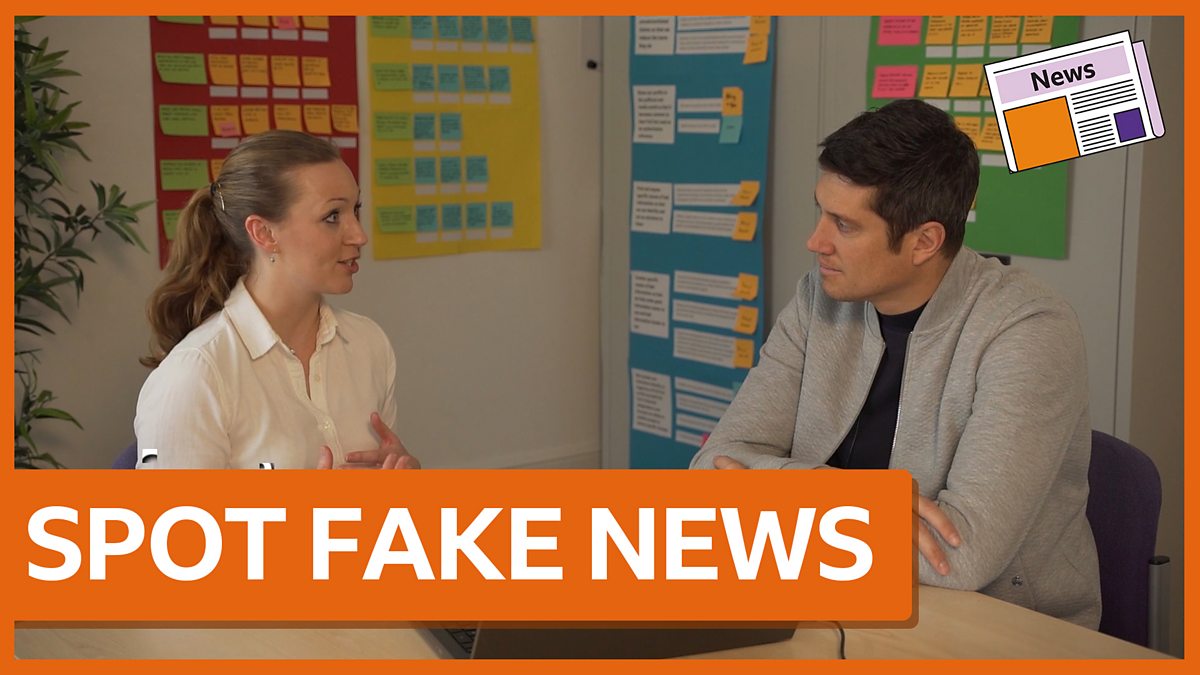
Claire Milne, a fact-checker at Full Fact, an independent organization recently tasked with fact-checking content across Facebook’s 2.5 billion users, offers practical guidance for parents concerned about their children’s ability to discern fact from fiction.
“First, talk about how stories make them feel,” Milne advises. “Are they reacting strongly to something? Is it making them feel really happy, really sad, or really angry? That kind of emotional response is usually a clue that you should stop, pause, and have a deeper look at what’s behind the story before believing it.”
Content designed to trigger immediate emotional responses often contains misleading information. Milne demonstrated this with a classic example: a post showing two images – one of a climate protest and another purportedly showing trash left behind by the protesters. While the second image did show genuine litter in a park, it was unrelated to the climate demonstration. Such misleading juxtapositions are commonly used to damage the reputation of specific groups.
For verifying images, Milne recommends using reverse image search technology. “You just right click on the image and choose to Google reverse image search,” she explains. “It’ll bring up sites that use the same pictures, helping you trace back to the original source and context.”
When encountering stories shared by celebrities or influencers, Milne suggests investigating the original source. “Try to work out where the information came from in the first place, then assess how trustworthy that original source is,” she says. Examining an author’s previous work and expertise can provide valuable context about their credibility.
Additionally, considering the purpose behind content is crucial. “Think about what this story might be trying to accomplish,” Milne advises. “Is it selling something? Is it meant as a joke that you’ve missed? Understanding the intent can help determine credibility.”
The proliferation of misinformation presents particular challenges for platforms like Facebook, which has partnered with fact-checking organizations like Full Fact to address the issue. Despite these efforts, the sheer volume of content being shared daily makes comprehensive fact-checking virtually impossible, placing greater responsibility on individual users to develop critical thinking skills.
Media literacy experts emphasize that the ability to identify fake news is becoming an essential skill for young people. Schools across the country are increasingly incorporating digital literacy into their curricula, teaching students to question sources, verify information independently, and recognize common tactics used by creators of misinformation.
For parents concerned about their children’s ability to spot fake news, starting conversations about media consumption early and modeling good information habits can make a significant difference in helping them navigate today’s complex information ecosystem.
As one parent summarized, “Giving kids just a few tips on how to examine online stories and videos may help them spot facts from fakes in a world where misinformation spreads faster than truth.”
Fact Checker
Verify the accuracy of this article using The Disinformation Commission analysis and real-time sources.

7 Comments
As a parent, I appreciate the practical tips in this article. Fostering critical thinking and fact-checking habits from an early age will serve kids well. It’s a daunting task, but so vital for the digital world they’re growing up in.
I agree, the stat about 98% of young people unable to identify fake news is really concerning. Empowering youth with media literacy is crucial. The advice to focus on their emotional reactions is smart – a good starting point.
Absolutely. Understanding how information makes them feel can be an effective way to get kids thinking critically about what they’re seeing online.
Interesting article on a critical issue facing youth today. Fact-checking skills are so important in the digital age. Parents and educators have a big challenge in helping kids navigate the misinformation minefield.
Conspiracy theories and misinformation around topics like COVID-19 are especially troubling. Helping children develop a healthy skepticism and fact-checking skills is so important to combat the spread of false narratives.
Yes, the ubiquity of misinformation on social media is a major challenge. Proactive media education for kids is essential for their ability to navigate this landscape effectively.
This is a really important issue that deserves more attention. Equipping the next generation with the tools to discern truth from fiction online is crucial for their development and our collective future.