


Listen to the article
Government officials in Gabon have suspended Meta’s social media platforms, citing concerns over harmful content that officials claim poses risks to national security and social stability.
The media regulator’s spokesman, Jean-Claude Mendome, announced the decision following what he described as “recurring dissemination on social networks and digital platforms of inappropriate, defamatory, hateful, and insulting content.” According to Mendome, such content undermines human dignity, threatens social cohesion, challenges the stability of republican institutions, and potentially compromises national security.
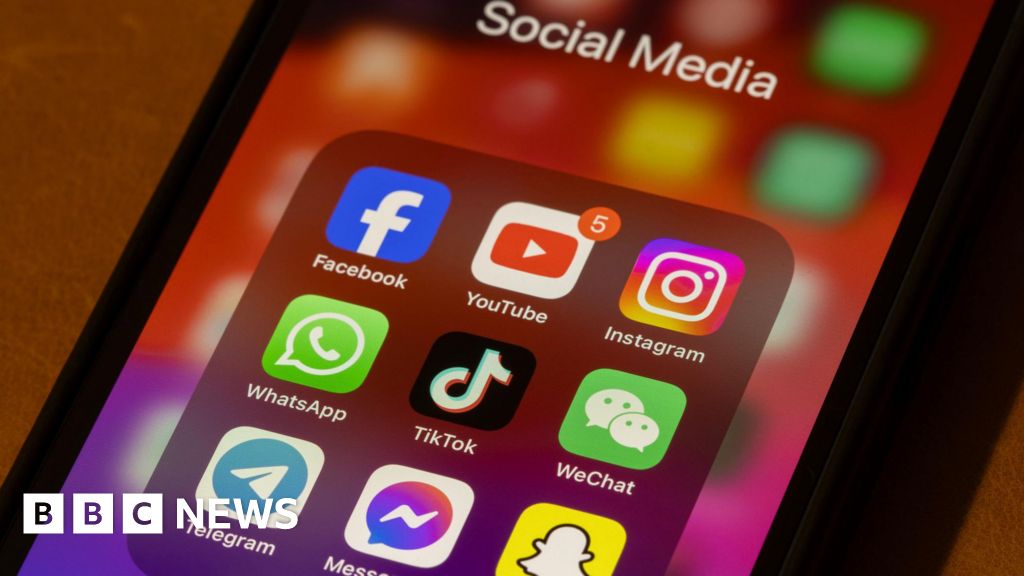
This suspension affects Meta-owned platforms including Facebook, Instagram, and WhatsApp, which are widely used across the Central African nation of approximately 2.3 million people. The government has not specified how long the suspension will remain in effect.
The move comes amid growing concerns globally about the role of social media in spreading misinformation and hate speech. Gabon joins several African nations that have taken similar regulatory actions against social platforms in recent years, including Ethiopia, Nigeria, and Uganda, though the specific triggers and duration have varied by country.
Digital rights advocates have expressed concern that the suspension may represent an overreach by Gabonese authorities. Critics suggest the government could be using concerns about harmful content as justification for restricting platforms that enable political discourse and organizing.
“While content moderation is certainly needed, complete platform suspensions often disproportionately affect ordinary citizens who rely on these services for business, education, and staying connected with family,” said a regional spokesperson for a digital rights organization who requested anonymity due to the sensitive nature of the situation.
Gabon experienced significant political upheaval in 2023 when military officers staged a coup that ended the Bongo family’s 55-year rule. The current transitional government, led by General Brice Oligui Nguema, has promised elections to restore civilian rule, though a specific timeline remains unclear.
Meta has yet to issue an official response to the suspension. The company has faced similar regulatory challenges across Africa, where it has been criticized for insufficient content moderation resources dedicated to the continent’s diverse languages and cultural contexts.
Economic impacts may be substantial. Small business owners in Gabon increasingly rely on Facebook and Instagram for marketing, while WhatsApp has become essential for both personal and business communication. The ban could disrupt commercial activities for thousands of entrepreneurs who depend on these platforms to reach customers.
Telecommunications analysts note that social media bans are often difficult to enforce completely, as users frequently turn to virtual private networks (VPNs) to circumvent restrictions. However, such workarounds typically reduce overall platform usage significantly.
The Gabonese government has indicated it is open to discussions with Meta regarding stronger content moderation practices that would address their concerns while potentially allowing the platforms to resume operations.
This incident highlights the ongoing tension between governments seeking to regulate online spaces and technology companies whose global platforms operate across different legal, cultural, and political environments. As digital communication becomes increasingly essential to economic and social life, finding balanced approaches to content regulation remains a challenge for nations worldwide.
The suspension also raises questions about digital sovereignty and who ultimately controls information flows within national borders – issues that continue to evolve as countries develop more sophisticated approaches to internet governance.
Fact Checker
Verify the accuracy of this article using The Disinformation Commission analysis and real-time sources.

6 Comments
Blocking social media is a bold move, but the government seems to feel the threat of disinformation is serious enough to warrant it. I’m interested to learn more about the specific types of content they consider harmful. Maintaining a balance between security and free expression will be crucial.
Blocking social media platforms is a drastic step, but the government cites legitimate concerns over harmful content. I hope they can find a balanced approach that protects national security while still preserving open dialogue. Disinformation is a global challenge that many countries are grappling with.
You raise a good point. A balanced approach is key – they need to address real threats without overly restricting free speech. It will be important to monitor the situation and ensure any measures are proportionate and temporary.
This is an interesting move by the Gabon government to address concerns over disinformation on social media. While freedom of expression is important, I can understand the need to maintain social stability and security. It will be worth watching how this plays out and whether the suspension leads to positive changes.
This is a concerning development, as social media has become a vital communication tool, especially in developing countries. However, I recognize the government’s duty to protect national security and social cohesion. I hope they can find a way to address disinformation without resorting to outright censorship.
This decision highlights the complexities of managing social media and misinformation, especially in developing nations. While I’m generally wary of government censorship, I can understand the Gabon authorities’ concerns if social media is being used to undermine stability and security. Curious to see how this plays out.