


Listen to the article
Far-Right Populists More Likely to Spread Misinformation, Study Finds
A comprehensive five-year analysis of social media behavior has revealed that far-right populist politicians consistently share more misinformation online than their mainstream or far-left counterparts. The study, conducted by researchers from the University of Amsterdam and Free University, suggests this practice has become a deliberate strategy within radical right movements.
“Radical right populists are using misinformation as a tool to destabilize democracies and gain political advantage,” explained Petter Törnberg of the University of Amsterdam, who co-authored the study with Juliana Chueri.
The researchers analyzed an extensive dataset comprising 32 million tweets posted between 2017 and 2022 by 8,198 parliament members across 26 countries. The study included politicians from 17 European Union nations such as Austria, France, Germany, the Netherlands, and Sweden, as well as the United Kingdom, United States, and Australia.
To determine the reliability of information shared by politicians, the team cross-referenced 18 million URLs posted by these MPs against data from fact-checking and misinformation tracking services. This allowed them to develop a “factuality score” for each politician and political party.
The results were unequivocal: far-right populism emerged as “the strongest determinant for the propensity to spread misinformation.” In contrast, center-right, center-left, and even far-left populist parties showed no significant correlation with misinformation sharing.
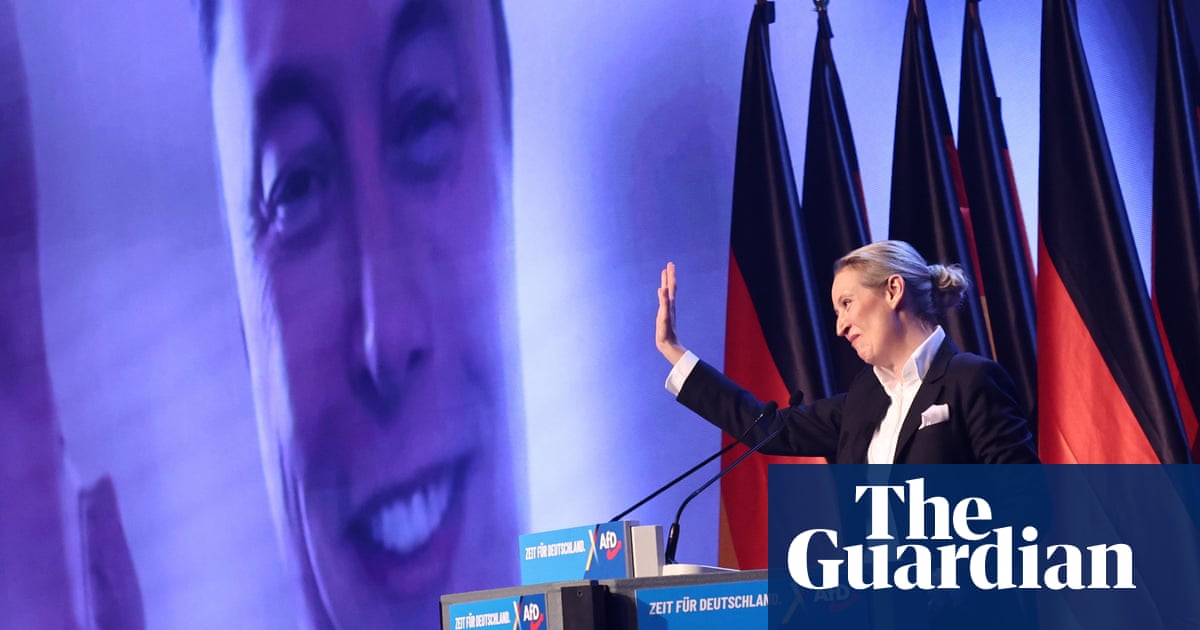
This finding comes at a time when far-right populist parties are gaining substantial political ground throughout Europe. Parties such as Germany’s Alternative für Deutschland (AfD), France’s National Rally (RN), and the Dutch Freedom Party (PVV) have secured major electoral victories in recent years and currently participate in several national governments.
What separates far-right populists from other political groups in their approach to misinformation? According to the researchers, while populist movements generally share anti-elitist sentiments, it is specifically “the exclusionary ideologies and hostility towards democratic institutions of radical right populism” that drives misinformation campaigns.
The study highlights that far-left populists, who tend to focus on economic grievances, find less utility in misinformation tactics. Conversely, far-right populism’s emphasis on cultural grievances and opposition to democratic norms creates “fertile ground” for the spread of false information.
Another key finding is the “symbiotic relationship” between far-right populists and alternative media ecosystems. “Radical-right populists have been effective in creating and utilizing alternative media ecosystems that amplify their viewpoints,” Törnberg noted. These ecosystems strengthen ideological messages, foster community among supporters, and provide counter-narratives to mainstream media coverage.
The researchers emphasized that misinformation consumption and sharing is not widespread across the general population but rather concentrated among specific electoral groups.
The study comes with a notable limitation for future research. The dataset cannot be expanded to include more recent posts on X (formerly Twitter) because the platform, now owned by Elon Musk, has restricted data access. Musk himself has made no secret of his support for far-right parties in various countries.
“The findings underscore the urgent need for policymakers, researchers, and the public to understand and address the intertwined dynamics of misinformation and radical right populism,” Törnberg concluded. As far-right parties continue to gain influence across democratic nations, the implications of these findings raise important questions about information integrity in political discourse.
Fact Checker
Verify the accuracy of this article using The Disinformation Commission analysis and real-time sources.

17 Comments
Interesting findings. While it’s concerning that far-right politicians seem more prone to spreading misinformation, it’s important to look at the underlying motivations and context. Fact-checking and media literacy efforts are crucial to combat the spread of false narratives.
While the findings are concerning, I hope this research spurs constructive discussions about improving democratic processes, strengthening institutions, and fostering a healthier information ecosystem. Addressing the root causes of misinformation is crucial.
The tendency of far-right populists to spread misinformation is deeply concerning. However, it’s important to avoid partisan rhetoric and focus on evidence-based solutions that address the root causes of this issue.
Well said. Maintaining objectivity and finding common ground is crucial when tackling complex sociopolitical problems like this.
Misinformation can have serious consequences for democratic societies. I appreciate the researchers’ efforts to shed light on this concerning trend and hope it prompts deeper discussions about media literacy and political accountability.
While the findings are troubling, I’m curious to understand how the study defined and measured ‘misinformation.’ The parameters used could influence the conclusions. Rigorous, impartial analysis is crucial in this highly polarized environment.
This study highlights the urgent need for reforms to strengthen the integrity of political discourse and information sharing. Combating misinformation should be a priority for policymakers and civil society alike.
This is a complex issue with no easy solutions. I hope the researchers continue to investigate the underlying factors and dynamics at play, as that knowledge will be essential for developing effective strategies to address the problem.
It’s disheartening to see how some politicians prioritize political gain over the truth. Restoring public trust in institutions and media will be crucial to combating the spread of misinformation.
This study provides valuable data, but I would caution against oversimplifying the relationship between political ideology and misinformation. The drivers are likely more nuanced and context-dependent. Continued research and multi-stakeholder dialogue are needed.
Agreed. Simplistic narratives often obscure the true complexity of these issues. An open, evidence-based approach is essential.
This is an alarming trend that undermines the democratic process. We need to strengthen media literacy, fact-checking, and accountability measures to ensure politicians are held responsible for the information they disseminate.
This study raises important questions about the role of political ideology in the spread of misinformation. I’m curious to learn more about the researchers’ methodology and whether similar patterns emerge in other countries or contexts. Rigorous, non-partisan analysis is key.
Misinformation poses a serious threat to democratic institutions. I hope this research inspires further investigations into the dynamics and impacts of this phenomenon, as well as the development of effective countermeasures.
I’m not surprised by these results, as the tendency to share unverified claims often aligns with populist, anti-establishment agendas. However, it’s important to approach this issue objectively and avoid oversimplifying the complex dynamics at play.
I agree, nuance is key. Tackling misinformation requires a multi-faceted approach that addresses the root causes, rather than just pointing fingers.
While the findings are concerning, I’m curious to learn more about the specific tactics and motivations behind the far-right’s propensity to spread misinformation. Understanding the drivers could inform more effective countermeasures.