


Listen to the article
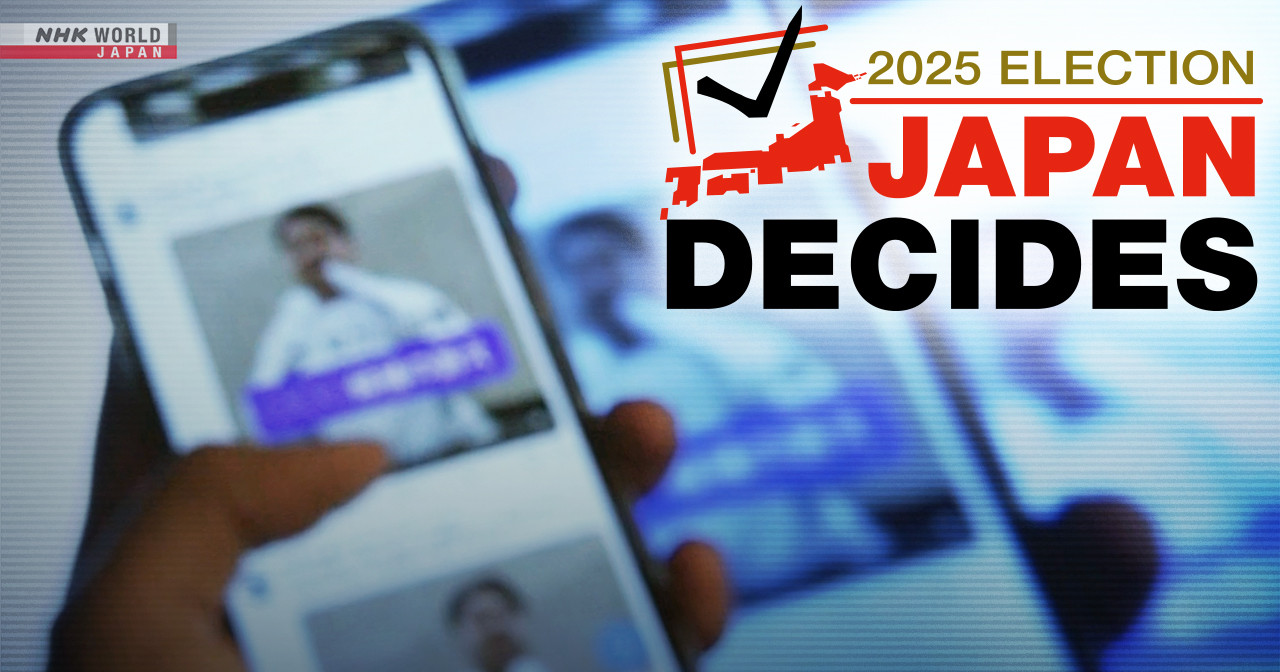
Social media has emerged as a significant force in Japan’s political landscape as voters prepare for Upper House elections this Sunday. According to a recent NHK poll, approximately one-third of Japanese voters plan to consider information from social media platforms when making their electoral choices, raising important questions about the accuracy of online content and its potential to influence election outcomes.
The digital transformation of political campaigning has made accessing candidate information more convenient than ever. A 26-year-old voter told NHK that social media directly influences his voting decisions, explaining that he regularly watches highlights of campaign speeches shared on YouTube and TikTok before selecting candidates.
However, this newfound convenience brings with it substantial public concern. In an earlier NHK opinion poll, more than 80% of respondents expressed worry about the potential impact of false information and misleading claims circulating on social media during the election cycle.
“It all depends on how the information is used,” noted a 53-year-old woman interviewed by NHK. She emphasized the tendency for online information to be exaggerated, stressing the importance of voters’ ability to differentiate between fact and distortion.
Others believe more oversight is necessary. A 69-year-old man advocated for government intervention, suggesting that authorities should implement baseline regulations to combat harmful content on social platforms.
The concern about misinformation extends across Japan’s political spectrum. Both ruling and opposition parties have voiced apprehension about how social media falsehoods could skew election results. In response, they have urged voters to verify the sources and accuracy of online information before accepting it as fact.
The Japanese government took action in June by calling on social media companies to strengthen their efforts against disinformation. The request included establishing public contact points for content removal requests, developing clear takedown guidelines, and ensuring swift responses to problematic content.
Yamaguchi Shinichi, an associate professor at the International University of Japan who studies social media effects, notes that Japan has been relatively slow to see online platforms become major players in elections compared to global trends. This delayed adoption brings both advantages and challenges.
Yamaguchi’s research reveals a concerning statistic: only 14.5% of people could accurately identify false information when exposed to it. The overwhelming majority were susceptible to being misled by inaccurate content.
Particularly vulnerable are independent voters with no strong party affiliation—one of Japan’s largest voting blocs. Yamaguchi’s research indicates these voters are more likely to change their political support based on social media content. The situation is further complicated by the tendency of sensational and divisive content to spread more rapidly across digital platforms, potentially amplifying its electoral impact.
“Social media algorithms are designed to keep users engaged, which often means promoting content that provokes strong emotional reactions,” Yamaguchi explained. “This creates an environment where misinformation can thrive if left unchecked.”
The professor advocates for a multi-faceted approach to addressing the problem. He suggests both government authorities and technology companies should intensify their efforts to mitigate potential damage from online misinformation. Additionally, he emphasizes the critical responsibility of individual voters to exercise discernment and carefully consider information before sharing it with others.
As Sunday’s election approaches, the intersection of social media and electoral politics in Japan highlights broader global concerns about information integrity in the digital age and its implications for democratic processes.
Fact Checker
Verify the accuracy of this article using The Disinformation Commission analysis and real-time sources.

15 Comments
This underscores the growing influence of social media in shaping political discourse and decision-making. Platforms must be held accountable for the spread of misinformation that could sway voter sentiment.
It’s concerning to see the potential for social media to be used to manipulate election outcomes. Transparent and ethical online campaigning should be a priority for all political actors.
Misinformation on social media is a global challenge, and Japan is not immune. Voters need to be vigilant and seek out authoritative sources to verify claims before forming their opinions.
Well said. Independent fact-checking is crucial in the digital age to prevent false narratives from taking hold.
This is a complex issue without easy solutions. Strengthening media literacy and digital citizenship among voters is essential to combat the spread of misinformation on social platforms.
The spread of misinformation on social media is a global challenge, and Japan is not immune. This issue requires a multifaceted approach involving platforms, policymakers, and engaged citizens.
While social media has made it easier to access candidate information, the prevalence of false claims is concerning. Voters need to be discerning and verify the sources before relying on online content to guide their decisions.
Absolutely. Fact-checking and critical thinking are essential when navigating the digital landscape during an election.
The influence of social media on voting behavior is an important issue that deserves close scrutiny. Policymakers must find ways to balance freedom of expression with the need to ensure the integrity of the electoral process.
Voters should be wary of unsubstantiated claims or sensationalized content on social media, and instead rely on reputable news sources and official candidate platforms to inform their decisions.
Agreed. Responsible digital citizenship is key to maintaining the health of Japan’s democratic institutions.
This is a serious issue that could undermine the integrity of Japan’s elections. It’s critical that voters have access to accurate, factual information to make informed choices. Social media platforms need to do more to curb the spread of misinformation.
I’m curious to see how this issue is addressed by Japanese authorities and social media companies ahead of the upcoming election. Ensuring free and fair elections is fundamental to democracy.
This is a concerning trend that could undermine the fairness and transparency of Japan’s elections. Voters must be vigilant in verifying information and seeking out authoritative sources.
Absolutely. Protecting the integrity of the democratic process should be a top priority for all stakeholders.