


Listen to the article
Nepal’s Election Commission Takes Aim at Social Media Misinformation Ahead of Parliamentary Polls
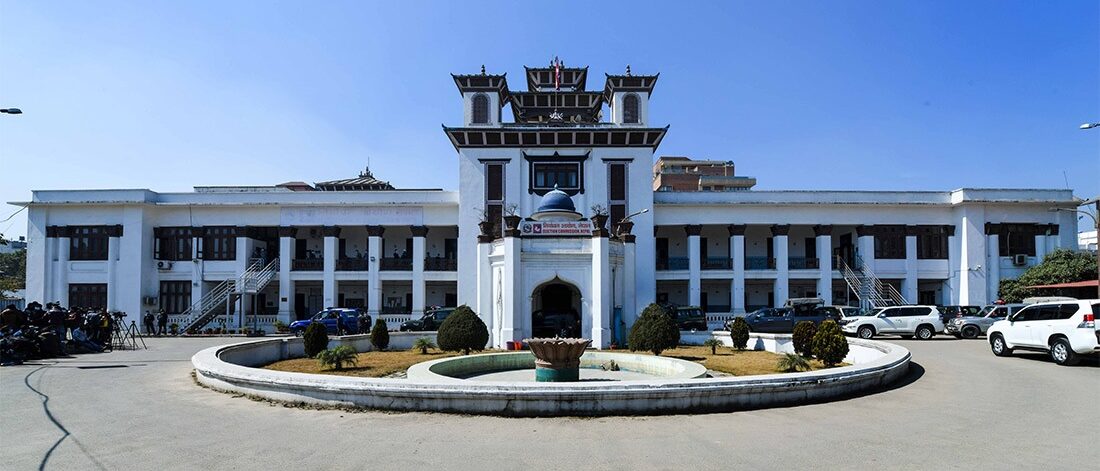
Nepal’s Election Commission has announced comprehensive measures to combat the proliferation of fake news and misinformation on social media platforms as the country prepares for its House of Representatives elections scheduled for March 5.
The electoral body has established a dedicated monitoring system to track misleading content that could potentially influence voter behavior or undermine the integrity of the upcoming parliamentary polls. Election Commission Spokesperson Narayan Prasad Bhattarai confirmed that officials are actively surveilling social networking sites for various forms of problematic content.
“We are specifically targeting fake news, hate speech, deepfakes, fraudulent accounts, and defamatory material that could disrupt the electoral process,” Bhattarai said. “Anyone found engaging in such illegal activities will face legal consequences according to existing laws.”
The Commission has already taken significant steps toward implementation, including formal communications with major social media companies. This week, EC officials held discussions with representatives from Meta (parent company of Facebook and Instagram) and TikTok to coordinate preventive measures. The Commission has also sent official letters to these platforms as well as X (formerly Twitter) to establish formal channels of cooperation.
To strengthen its monitoring capabilities, the EC has activated its Information and Integrity Promotion Unit, which operates under the broader Information Dissemination and Coordination Centre. According to Bhattarai, this specialized unit has deployed advanced software tools designed to identify problematic content across various social platforms.
The initiative comes at a critical time for Nepal’s democratic process. Social media has become increasingly influential in shaping public opinion during election cycles, particularly in urban areas where internet penetration is highest. Digital platforms have transformed how political campaigns operate in the Himalayan nation, but have simultaneously created new challenges for electoral oversight.
Nepal’s regulatory approach mirrors similar efforts in neighboring countries like India, where election authorities have implemented strict guidelines for social media during elections. However, the effectiveness of such measures depends largely on the cooperation of international tech platforms, which operate under different jurisdictional frameworks.
Political analysts note that misinformation campaigns can be particularly damaging in Nepal’s diverse linguistic and cultural landscape, where regional and ethnic sensitivities can be exploited to create divisions. Deepfakes—artificially generated media that realistically depict individuals saying or doing things they never did—represent a particularly concerning technological development that electoral authorities worldwide are struggling to address.
The Commission’s proactive stance has received support from civil society organizations advocating for electoral transparency, though some digital rights groups have expressed concerns about potential overreach in content moderation.
Nepal’s upcoming House of Representatives election will determine the composition of the lower house of the Federal Parliament, which consists of 275 members. The election follows a period of political instability in the country, making the integrity of the electoral process particularly significant for democratic consolidation.
As election day approaches, the Commission has urged citizens to verify information through official channels and report suspicious content. The EC has also emphasized that its monitoring efforts aim to preserve electoral integrity while respecting freedom of expression and citizens’ rights to political discourse.
“Our goal is not to restrict legitimate political debate but to ensure that voters can make informed choices based on factual information,” Bhattarai explained, highlighting the delicate balance electoral authorities must maintain between preventing harmful content and allowing democratic discourse to flourish.
Fact Checker
Verify the accuracy of this article using The Disinformation Commission analysis and real-time sources.

9 Comments
The European Commission’s plan to monitor social media for misinformation is a significant undertaking. While it’s important to address the spread of false narratives, I hope they can do so in a way that doesn’t unduly restrict legitimate online discourse and debate.
The rise of misinformation on social media is a growing concern, so I appreciate the European Commission taking action. However, this initiative will require a delicate balance to uphold democratic values while protecting the integrity of elections. I look forward to seeing the details of their approach.
Monitoring social media for misinformation is a necessary step, but it will be critical to ensure the process is transparent and doesn’t infringe on free speech. I hope the Commission develops a balanced approach that effectively targets malicious actors without over-censoring legitimate discourse.
Monitoring social media to address misinformation is a necessary step, but it raises concerns about censorship and free expression. The European Commission will need to develop clear, unbiased criteria to identify and remove harmful content without overreach. Transparency and public oversight will be critical.
Interesting move by the European Commission to monitor social media and combat misinformation. It’s a complex challenge, but proactive steps to ensure electoral integrity are important. Curious to see how the monitoring system is implemented and what criteria are used to identify problematic content.
Tackling the spread of misinformation on social media platforms is a complex challenge, but the European Commission’s monitoring initiative is a step in the right direction. I’m interested to see how they approach this issue while safeguarding democratic principles.
Combating the spread of misinformation on social media is an important goal, but the European Commission’s monitoring initiative raises concerns about potential overreach. I hope they can develop an approach that effectively targets malicious actors without unduly restricting free speech.
Monitoring social media to combat fake news and misinformation is a necessary but complex task. The European Commission will need to be very thoughtful in how they implement this initiative to ensure it is effective and fair. I’m curious to see the details of their approach.
Combating fake news and misinformation on social media is an important but challenging task. I hope the European Commission’s monitoring system can effectively identify and address problematic content without unfairly restricting legitimate online discussions. Maintaining public trust will be key to the success of this initiative.