


Listen to the article
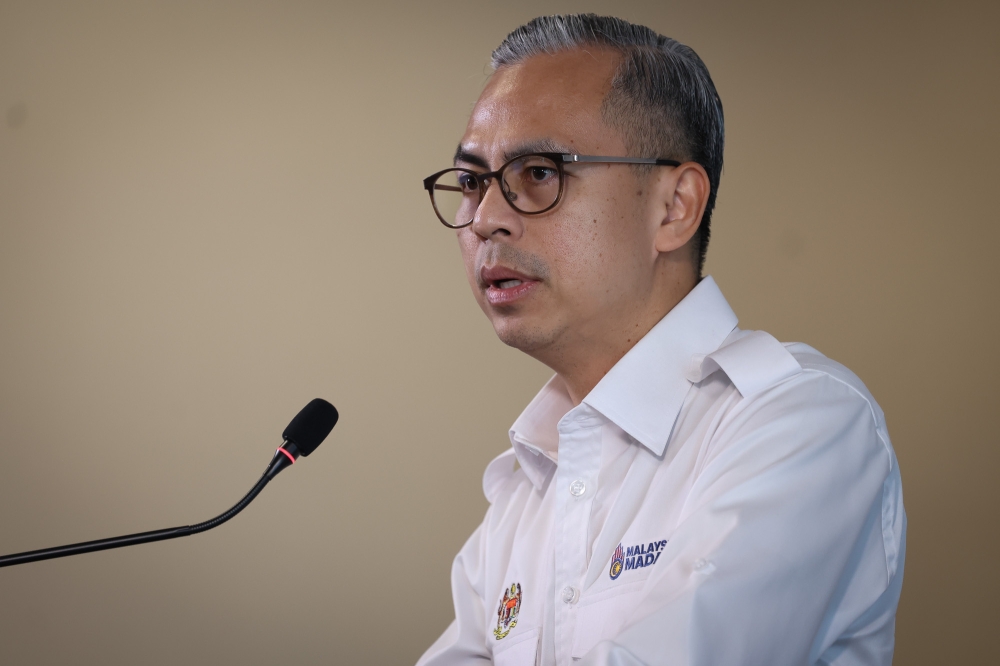
In a sweeping crackdown on misinformation, Malaysian authorities have launched dozens of investigations into social media accounts accused of spreading false information about fuel supplies and prices, Communications Minister Datuk Fahmi Fadzil announced Monday.
The minister revealed that regulators have opened 42 investigation papers targeting accounts alleged to have disseminated fake content related to Malaysia’s petroleum sector. Officials claim these actions come amid what they describe as escalating attempts to manipulate public opinion about the global energy crisis to generate anti-government sentiment.
“The rest are still being investigated, so I urge all Malaysians to be cautious about information shared on social media especially those regarding the global energy crisis,” Fahmi told reporters at a news conference in Putrajaya, the country’s administrative capital.
The Malaysian Communications and Multimedia Commission (MCMC) has taken significant action, demanding social media platforms remove approximately 350 pieces of content deemed false or misleading. According to the minister, about half of the flagged content has already been taken down, while the remainder continues to undergo review.
As part of the ongoing investigation, authorities have recorded statements from 20 individuals suspected of creating or disseminating the contentious material. When questioned about potential political motivations behind the spread of misinformation, Fahmi maintained that investigations are currently focused on determining how and why the false content was created and distributed.
“I haven’t received any information but from what I’m told so far, the probe is more about how they got the fake content and how it is being spread and why,” he explained, though notably did not rule out the possibility that some suspects might have connections to political organizations.
This crackdown comes at a sensitive time for Malaysia’s energy sector. Like many countries worldwide, Malaysia has been navigating the complexities of the global energy crisis, which has seen volatile fuel prices and supply concerns affecting economies across Southeast Asia. The government has been working to maintain stable domestic fuel prices through its subsidy mechanism, which has become increasingly costly amid global market fluctuations.
Malaysia’s subsidized fuel prices have long been a politically charged issue. The current Pakatan Harapan-led unity government inherited significant fiscal challenges, including a substantial bill for fuel subsidies that has strained the national budget. Any discussions around potential subsidy rationalization or price adjustments typically generate intense public scrutiny and debate.
Social media has become a critical battleground for public opinion in Malaysia, where smartphone penetration exceeds 85 percent of the population, and platforms like Facebook, WhatsApp, and TikTok serve as primary sources of information for many citizens. Misinformation spreading rapidly through these channels has the potential to trigger public anxiety and even panic buying of essential goods, including fuel.
The government’s aggressive stance against what it deems fake news reflects growing concern about the economic and social impacts of misinformation. Malaysia previously enacted a controversial Anti-Fake News Act in 2018, which was later repealed. However, authorities continue to use existing communications laws to pursue cases of alleged misinformation.
Digital rights advocates have expressed concerns about potential overreach in content regulation, calling for transparent processes and clear definitions of what constitutes false information. They emphasize the importance of balancing legitimate efforts to combat harmful misinformation with protecting free expression online.
As the investigations continue, the minister’s warning for Malaysians to exercise caution regarding energy-related information underscores the government’s concerns about the potential for misinformation to disrupt economic stability during an already challenging global energy landscape.
Fact Checker
Verify the accuracy of this article using The Disinformation Commission analysis and real-time sources.

13 Comments
If AISC keeps dropping, this becomes investable for me.
If AISC keeps dropping, this becomes investable for me.
Good point. Watching costs and grades closely.
Production mix shifting toward Fake Information might help margins if metals stay firm.
Uranium names keep pushing higher—supply still tight into 2026.
Production mix shifting toward Fake Information might help margins if metals stay firm.
Good point. Watching costs and grades closely.
Good point. Watching costs and grades closely.
Production mix shifting toward Fake Information might help margins if metals stay firm.
Good point. Watching costs and grades closely.
Good point. Watching costs and grades closely.
The cost guidance is better than expected. If they deliver, the stock could rerate.
Uranium names keep pushing higher—supply still tight into 2026.