


Listen to the article
BBC Media Action Trains 60 Sierra Leonean Media Professionals to Combat Information Disorder
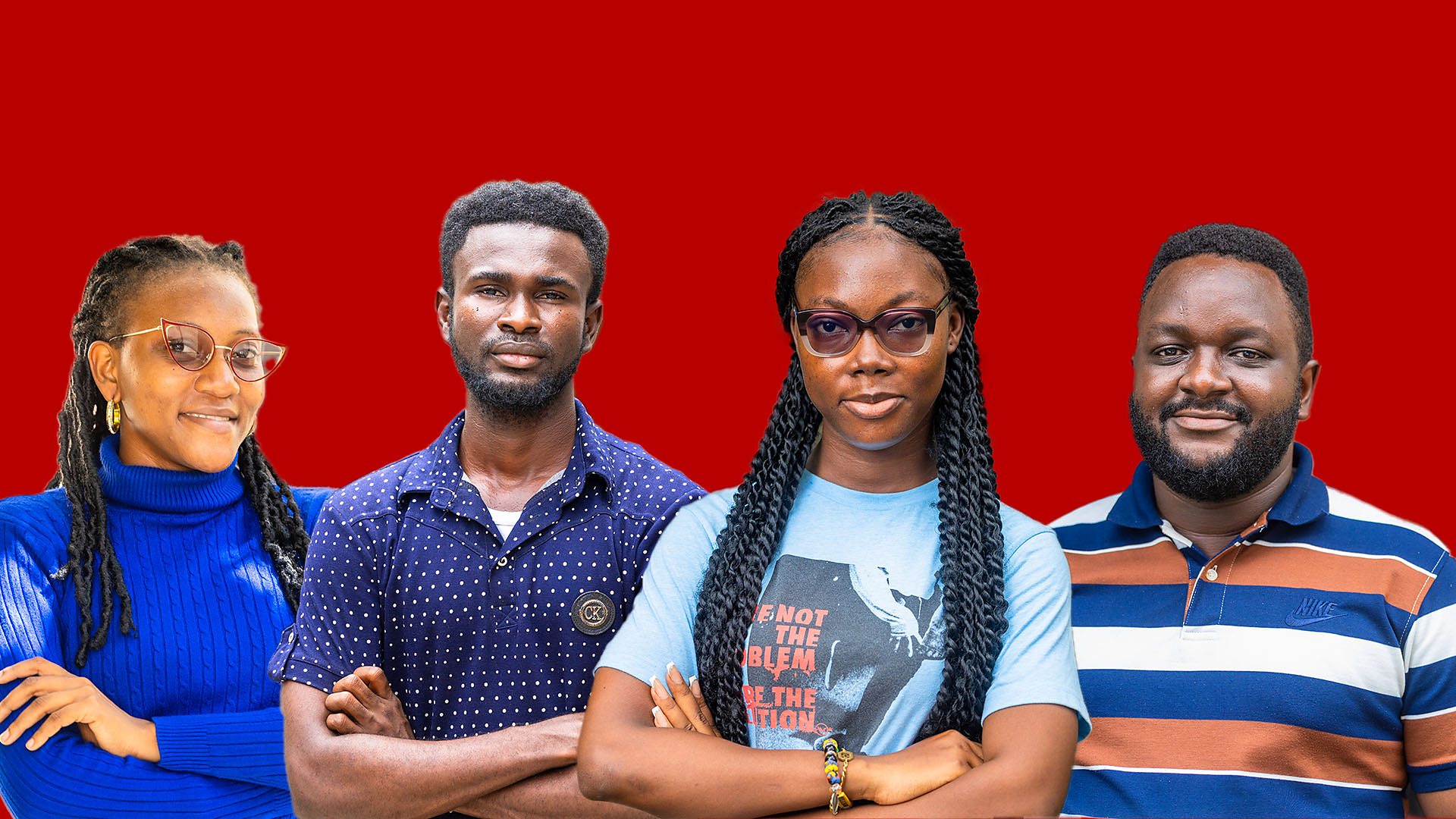
In a significant effort to address the growing challenge of misinformation in Sierra Leone’s rapidly digitalizing society, BBC Media Action has successfully trained 60 journalists, bloggers, and social media influencers in techniques to identify and counter fake news.
The comprehensive training program, conducted in autumn 2024, featured two distinct tiers of instruction. The primary initiative provided advanced training to 25 senior and mid-career media professionals from various regions across Sierra Leone. This intensive 22-day program combined in-person and online sessions led by international BBC trainers Marie Helly and Lazar Čovs.
Building on this foundation, the project implemented a strategic “multiplier effect” by having two graduates of the advanced program subsequently train an additional 35 journalists and bloggers from Freetown and other regions, effectively extending the program’s reach throughout the country.
For Sierra Leone, where a young population is increasingly coming online, the threat of information disorder presents significant challenges to social cohesion and informed civic participation. The training initiative aims to create a more resilient media landscape capable of distinguishing fact from fiction in an increasingly complex information environment.
Claudia J.D Redwood-Sawyerr, a journalist and fact-checker with SLAJ-iVerify, praised the program for exceeding her expectations. “I came into the training with an expectation to ‘add on knowledge’. The bar has been set higher,” she noted. “As it becomes more difficult to navigate through the many information disorders, so are more tools being introduced to aid a fact checker’s quest to provide sanity in the media. I have garnered a boost in confidence in carrying out my work.”
The training introduced participants to advanced digital verification tools and techniques, with a particular focus on Open Source Intelligence (OSINT) methodologies. These skills are particularly valuable in a media environment where the pressure to publish quickly often competes with the journalistic principles of accuracy and verification.
Sallu Kamuskay, Founder and CEO of Salone Messenger, emphasized the responsibility that comes with digital publishing. “We live in a world where information is power. Anything we say or put out on the internet has the potential to change the course of history,” he said. “As bloggers and storytellers, we have the responsibility to ensure our stories are true before we click publish or post.”
Journalist Iris Aminata Bangura highlighted how the training addressed current media challenges, noting, “Many journalists focus on being the first to publish a story, often neglecting the core principles of journalism: accuracy, balance, and credibility.” She added that the program significantly expanded her knowledge of OSINT tools, which will enhance her journalistic practice.
Fellow journalist Christian Conteh expressed similar sentiments, stating that he now feels “fully capacitated with the essential tools and skills to identify and counter mis- and disinformation.”
The initiative, formally titled “Enhancing media capacity to tackle mis- and disinformation,” is supported by the United Nations Development Programme (UNDP). This collaboration reflects growing international concern about the impact of misinformation on democratic processes and social stability in developing media markets.
By equipping Sierra Leonean media professionals with advanced verification skills, the program aims to create a sustainable improvement in the quality of information available to the public, ultimately strengthening the foundation for informed civic discourse in the country.
Fact Checker
Verify the accuracy of this article using The Disinformation Commission analysis and real-time sources.

13 Comments
This training program highlights the importance of proactive measures to address the challenges of information disorder. Upskilling journalists and influencers is a necessary step to build resilience against the spread of fake news.
Absolutely. Equipping media professionals with the right tools and strategies is crucial for empowering them to play a vital role in combating misinformation.
Sierra Leone’s young, digitally connected population makes it particularly vulnerable to the risks of information disorder. This training program is a timely and much-needed intervention.
I’m curious to learn more about the specific techniques and strategies covered in this training program. Detecting misinformation can be challenging, so a comprehensive approach is likely needed.
That’s a good point. The details on the curriculum and methodologies used would be helpful to understand the program’s effectiveness and potential for replication in other countries facing similar challenges.
Kudos to BBC Media Action for taking this initiative in Sierra Leone. Addressing information disorder is crucial for maintaining social cohesion and democratic discourse, especially in rapidly digitalizing societies.
This training program seems like a great initiative to build capacity in Sierra Leone’s media landscape. Upskilling journalists and influencers on misinformation detection techniques will be crucial as the country’s digital landscape evolves.
Agreed. With a young, increasingly online population, it’s essential that Sierra Leone’s media professionals are prepared to combat the spread of fake news and disinformation.
Empowering content creators and journalists to detect misinformation is a crucial step in combating the spread of fake news. Training programs like this one in Sierra Leone can help strengthen the media’s ability to identify and counter disinformation.
Absolutely. Equipping media professionals with the skills to spot and address misinformation is vital for maintaining public trust and preserving the integrity of news and information.
The ‘multiplier effect’ approach of training a core group of media professionals who then train others is a smart strategy. It helps extend the program’s reach and impact across the country.
Yes, that’s an efficient way to scale up the training and build a larger network of media professionals equipped to combat misinformation.
It’s great to see international organizations like the BBC collaborating with local media in Sierra Leone to address this critical issue. Partnerships between global and national players can be very effective.