


Listen to the article
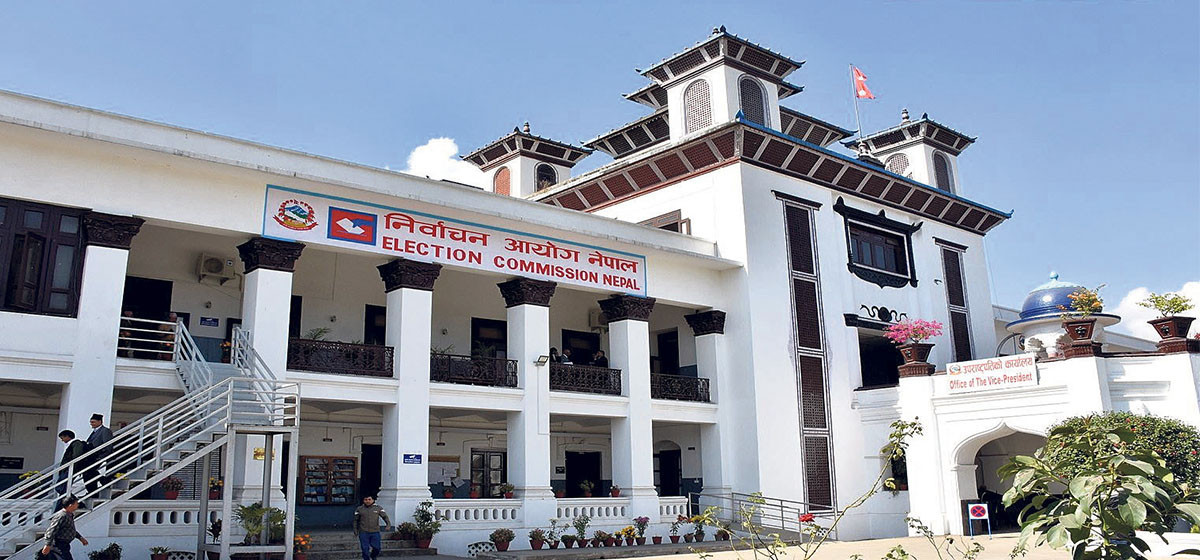
Nepal’s Election Commission (EC) has announced a comprehensive initiative to combat fake news and misinformation on social media platforms ahead of the March 5 House of Representatives elections. Officials detailed their monitoring strategy during a press conference held Friday in Kathmandu.
The Commission expressed growing concern over the potential spread of misleading content, hate speech, and other harmful digital activities that could undermine the integrity of the upcoming parliamentary elections. EC Spokesperson Narayan Prasad Bhattarai emphasized that the regulatory body will take legal action against violators found spreading false information or engaging in other prohibited online activities.
“We will be vigilant about monitoring fake news, hate speech, deepfakes, fake accounts, and defamation during the election period,” Bhattarai stated. “Those found engaging in illegal activities will face consequences in accordance with existing laws.”
The EC has already initiated consultations with major social media companies to coordinate efforts in tackling online misinformation. This week, officials held meetings with representatives from Meta (parent company of Facebook, Instagram, and WhatsApp) and TikTok to discuss collaborative approaches to content moderation during the election period. The Commission has also reached out to X (formerly Twitter) to establish similar coordination mechanisms.
To implement this monitoring initiative, the EC has activated its Information and Integrity Promotion Unit, operating under the Information Dissemination and Coordination Centre. This specialized unit has begun deploying software tools to systematically track and analyze content across various social networking platforms.
The move comes amid growing global concern about the impact of digital misinformation on electoral processes. Nepal, like many countries, has experienced a significant increase in social media usage in recent years, creating new challenges for election administrators seeking to maintain the integrity of democratic processes.
Digital rights experts have noted that Nepal’s social media landscape presents unique challenges. With internet penetration rapidly expanding across the country, including in remote areas, more voters than ever will be accessing election information online. This digital shift has created both opportunities for voter engagement and vulnerabilities to misinformation campaigns.
Political analysts observing the upcoming elections suggest that social media will play an unprecedented role in shaping voter opinions. The EC’s proactive stance reflects recognition of how digital platforms have transformed election dynamics in the country.
The March 5 House of Representatives elections represent a crucial democratic exercise for Nepal, which has experienced significant political transitions in recent years. The 275-member House of Representatives serves as the lower house of Nepal’s Federal Parliament and plays a central role in the country’s governance structure.
This initiative aligns with emerging international best practices for election management bodies, which increasingly incorporate digital monitoring into their broader electoral integrity strategies. Similar approaches have been implemented in recent elections across South Asia and beyond.
The EC has indicated it will provide regular updates on its social media monitoring efforts as the election date approaches. Officials have also encouraged citizens to report suspicious content they encounter online to assist with enforcement efforts.
Media literacy advocates have welcomed the Commission’s initiative while emphasizing the importance of balancing content moderation with free speech protections during the electoral period.
Fact Checker
Verify the accuracy of this article using The Disinformation Commission analysis and real-time sources.

7 Comments
Monitoring social media to combat misinformation is a critical step in protecting the integrity of elections. Transparency and enforcement will be key to ensuring a fair process.
The move by Nepal’s Election Commission to coordinate with social media platforms is a smart approach. Holding violators accountable is important, but preventative measures are also needed.
Agreed. Proactive collaboration between regulators and tech companies is essential to staying ahead of evolving threats like deepfakes and fake accounts.
While cracking down on fake news and hate speech is important, I hope the EC’s efforts don’t inadvertently stifle legitimate political discourse. A careful balance will be needed.
That’s a valid concern. Ensuring freedom of expression while preventing real harm is a delicate challenge that will require nuanced policies.
Kudos to the Nepali Election Commission for being so forward-thinking on this issue. Disinformation is a global problem that requires coordinated, multi-stakeholder solutions.
Interesting to see Nepal taking such a proactive approach. I wonder if other countries will follow suit as elections around the world face growing digital threats.