


Listen to the article
Misinformation Surge Following Trump Assassination Attempt Highlights Digital Literacy Challenges
In the aftermath of the attempted assassination of former President Donald Trump at a Pennsylvania rally this weekend, a tidal wave of misinformation has flooded social media platforms, underscoring the persistent challenge of distinguishing fact from fiction in today’s digital landscape.
The term “Fake News” – which Trump himself popularized during his presidency as a rhetorical device to criticize media coverage – has taken on new dimensions as digitally manipulated images, conspiracy theories, and false narratives about the shooting circulate widely online.
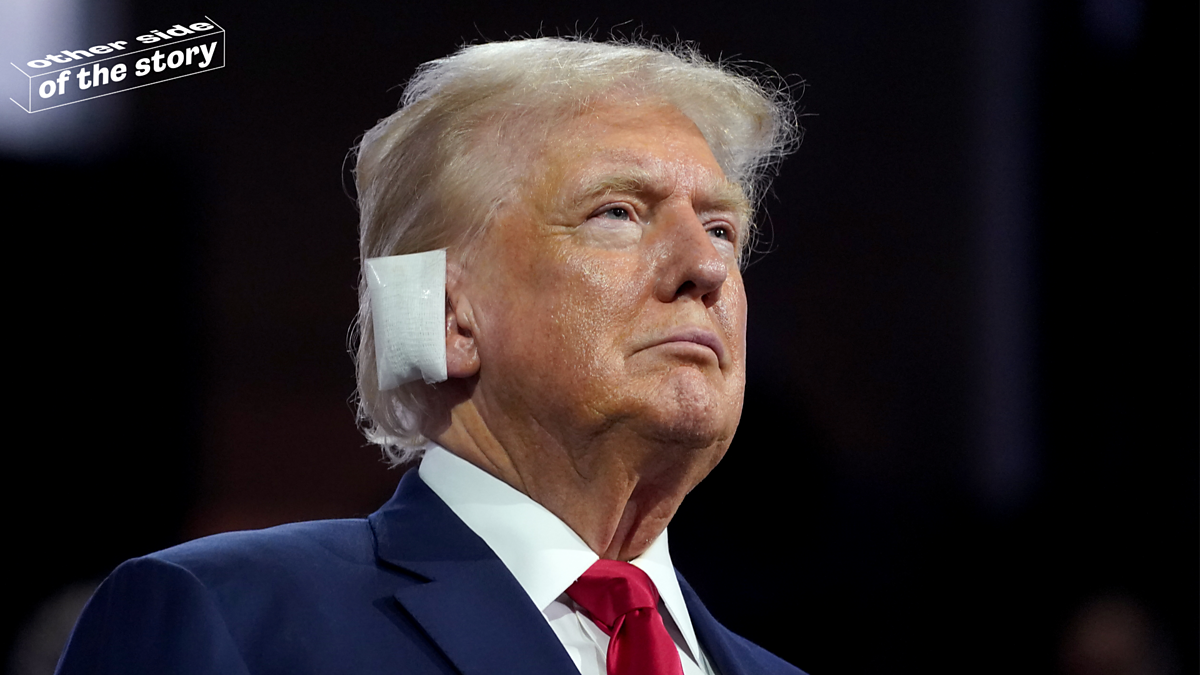
Within hours of the incident that left Trump with a minor ear injury, killed one attendee, and critically wounded two others, social media platforms were inundated with fabricated content. Digitally altered photos, out-of-context video clips, and unfounded conspiracy theories began spreading at an alarming rate across Twitter, Facebook, TikTok, and Telegram.
Media analysis experts note that crisis events frequently trigger misinformation surges. “High-profile incidents create information vacuums that get filled with speculation and deliberately false content,” explains Dr. Melissa Chen, digital media researcher at Stanford University. “The emotional impact of such events makes people more susceptible to believing and sharing unverified information.”
The current wave of misinformation includes manipulated images purporting to show different angles of the shooting, fabricated statements from officials, and baseless claims about the shooter’s motivations and affiliations. Many posts advance politically motivated narratives that attempt to place blame on various groups or individuals without evidence.
This phenomenon reflects broader trends in America’s increasingly polarized information ecosystem. According to a 2023 Pew Research Center study, 64% of Americans report having difficulty distinguishing between factual news and misinformation, a figure that has risen steadily over the past five years.
Social media companies have implemented various measures to combat false information, including labeling questionable content, reducing its visibility in algorithms, and partnering with fact-checking organizations. However, critics argue these efforts remain insufficient against the volume and velocity of misinformation.
“The platforms’ business models fundamentally incentivize engagement over accuracy,” notes Claire Wardle, co-founder of First Draft, a nonprofit focused on fighting misinformation. “Inflammatory and sensational content, even when false, drives clicks and shares.”
For individuals seeking to navigate this complex information landscape, media literacy experts recommend several strategies. First, verify information through multiple credible sources before sharing. Be particularly skeptical of emotional content designed to provoke outrage or fear. Check the source of images and videos, as context is often removed to create misleading narratives.
Digital literacy advocate Marcus Johnson emphasizes the importance of pausing before sharing content online. “That moment of reflection can make all the difference,” Johnson says. “Ask yourself: Do I know this is true? Where did this come from? What’s not being shown here?”
Law enforcement officials have expressed concern that widespread misinformation could hamper the ongoing investigation into the assassination attempt. FBI Director Christopher Wray urged the public to rely on official channels for information about the case, warning that false information could potentially endanger public safety.
The incident has renewed calls from policy experts for more comprehensive approaches to tackling digital misinformation, including enhanced media literacy education in schools, greater platform accountability, and improved transparency around how algorithms promote certain content.
As investigators continue to gather facts about the assassination attempt, the parallel challenge of containing misinformation remains equally urgent. The rapid spread of false narratives surrounding this high-profile incident serves as a stark reminder of how crucial critical thinking skills have become in our digital information age.
Fact Checker
Verify the accuracy of this article using The Disinformation Commission analysis and real-time sources.

23 Comments
Uranium names keep pushing higher—supply still tight into 2026.
Nice to see insider buying—usually a good signal in this space.
If AISC keeps dropping, this becomes investable for me.
Good point. Watching costs and grades closely.
Good point. Watching costs and grades closely.
Silver leverage is strong here; beta cuts both ways though.
Good point. Watching costs and grades closely.
Interesting update on Donald Trump Rally Shooting Sparks Wave of Misinformation on Social Media. Curious how the grades will trend next quarter.
Good point. Watching costs and grades closely.
I like the balance sheet here—less leverage than peers.
Good point. Watching costs and grades closely.
Exploration results look promising, but permitting will be the key risk.
Good point. Watching costs and grades closely.
Uranium names keep pushing higher—supply still tight into 2026.
The cost guidance is better than expected. If they deliver, the stock could rerate.
Good point. Watching costs and grades closely.
Interesting update on Donald Trump Rally Shooting Sparks Wave of Misinformation on Social Media. Curious how the grades will trend next quarter.
Good point. Watching costs and grades closely.
Good point. Watching costs and grades closely.
Production mix shifting toward Fake Information might help margins if metals stay firm.
Interesting update on Donald Trump Rally Shooting Sparks Wave of Misinformation on Social Media. Curious how the grades will trend next quarter.
Good point. Watching costs and grades closely.
Nice to see insider buying—usually a good signal in this space.