


Listen to the article
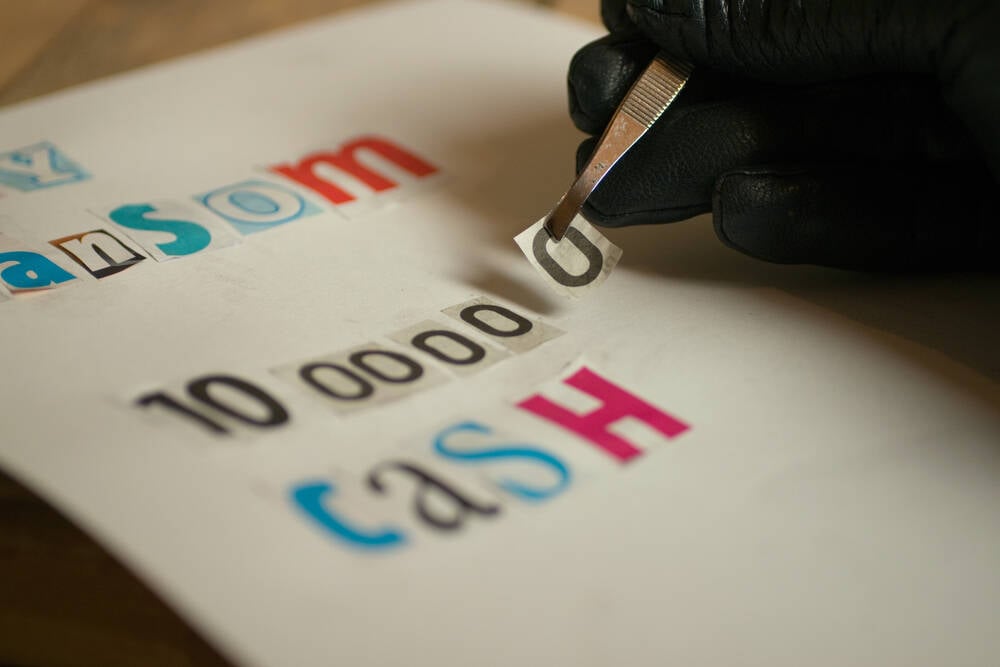
In a disturbing new trend, the FBI has issued a warning about criminals who manipulate social media images to create fake “proof of life” photos in virtual kidnapping scams. These sophisticated extortion schemes involve scammers contacting victims via text message, claiming to have kidnapped their loved ones and demanding immediate ransom payments.
According to the FBI’s alert released Friday, criminals are harvesting publicly available photos and using AI technology to doctor these images as evidence of supposed kidnappings. While many of these cases involve entirely fabricated abductions, the FBI also cautioned about posting missing person information online, as scammers may exploit these situations by contacting families with fraudulent information about their missing loved ones.
The tactic bears similarities to traditional “grandparent scams,” where fraudsters call elderly individuals pretending to be relatives in danger requiring urgent financial assistance. The FBI classifies these as “emergency scams,” which generated 357 complaints in 2024 with victims losing approximately $2.7 million.
What makes these newer scams particularly menacing is the addition of manipulated visual evidence. Criminals typically send what appears to be authentic images or videos showing the “kidnapped” person as proof they’re still alive. To further pressure victims into making quick payments, scammers often include explicit threats of violence against the supposed captive.
“Criminal actors will sometimes purposefully send these photos using timed message features to limit the amount of time victims have to analyze the images,” the FBI warned in their alert. This technique prevents recipients from closely examining the images, which often contain telltale signs of manipulation.
The federal agency notes that careful inspection of these doctored images typically reveals inconsistencies when compared with authentic photos. Common discrepancies include missing distinctive features like tattoos or scars, or subtle abnormalities in body proportions that indicate the image has been altered.
The rise of these scams coincides with the increasing sophistication and accessibility of AI tools that can manipulate photos and videos with remarkable realism. Social media platforms provide scammers with abundant personal information, allowing them to identify potential victims and their family connections before launching their extortion attempts.
While the FBI did not immediately disclose how many complaints or cases of these fake kidnappings they’ve received, they’ve issued several recommendations for public protection. These include avoiding sharing personal information with strangers while traveling and establishing code words known only to close family members.
The agency also advises individuals who receive such communications to screenshot or record any proof-of-life images when possible and report incidents to the FBI’s Internet Crime Complaint Center at www.ic3.gov. Reports should include all available information about the interaction, including phone numbers, payment details, communications, and any photos or videos received. Most importantly, the FBI emphasizes attempting to contact the supposed victim before making any ransom payments.
This form of digital deception extends beyond targeting individuals. Corporations are increasingly falling victim to similar schemes, particularly through fake IT worker scams that have affected companies across multiple sectors. One high-profile operation generated at least $88 million over approximately six years, according to Department of Justice reports from last year.
Many of these corporate scams originate from North Korea, with perpetrators using AI tools to create convincing resumes, cover letters, and even manipulate their appearance during video interviews using real-time alteration software.
As AI technology continues to advance, the sophistication of these scams will likely increase, highlighting the growing need for digital literacy and heightened awareness around image verification in potentially high-stakes situations.
Fact Checker
Verify the accuracy of this article using The Disinformation Commission analysis and real-time sources.

30 Comments
If AISC keeps dropping, this becomes investable for me.
Good point. Watching costs and grades closely.
Good point. Watching costs and grades closely.
Exploration results look promising, but permitting will be the key risk.
Uranium names keep pushing higher—supply still tight into 2026.
Good point. Watching costs and grades closely.
If AISC keeps dropping, this becomes investable for me.
Good point. Watching costs and grades closely.
I like the balance sheet here—less leverage than peers.
Good point. Watching costs and grades closely.
Good point. Watching costs and grades closely.
If AISC keeps dropping, this becomes investable for me.
Good point. Watching costs and grades closely.
Good point. Watching costs and grades closely.
Production mix shifting toward Fake Information might help margins if metals stay firm.
If AISC keeps dropping, this becomes investable for me.
Nice to see insider buying—usually a good signal in this space.
Good point. Watching costs and grades closely.
Silver leverage is strong here; beta cuts both ways though.
Good point. Watching costs and grades closely.
Silver leverage is strong here; beta cuts both ways though.
Good point. Watching costs and grades closely.
If AISC keeps dropping, this becomes investable for me.
Good point. Watching costs and grades closely.
Production mix shifting toward Fake Information might help margins if metals stay firm.
Good point. Watching costs and grades closely.
Good point. Watching costs and grades closely.
Interesting update on Criminals Exploit Social Media Photos in Virtual Kidnapping Scams. Curious how the grades will trend next quarter.
Good point. Watching costs and grades closely.
Exploration results look promising, but permitting will be the key risk.