


Listen to the article
Nearly Half of UK Population Exposed to COVID-19 Misinformation, Ofcom Study Reveals
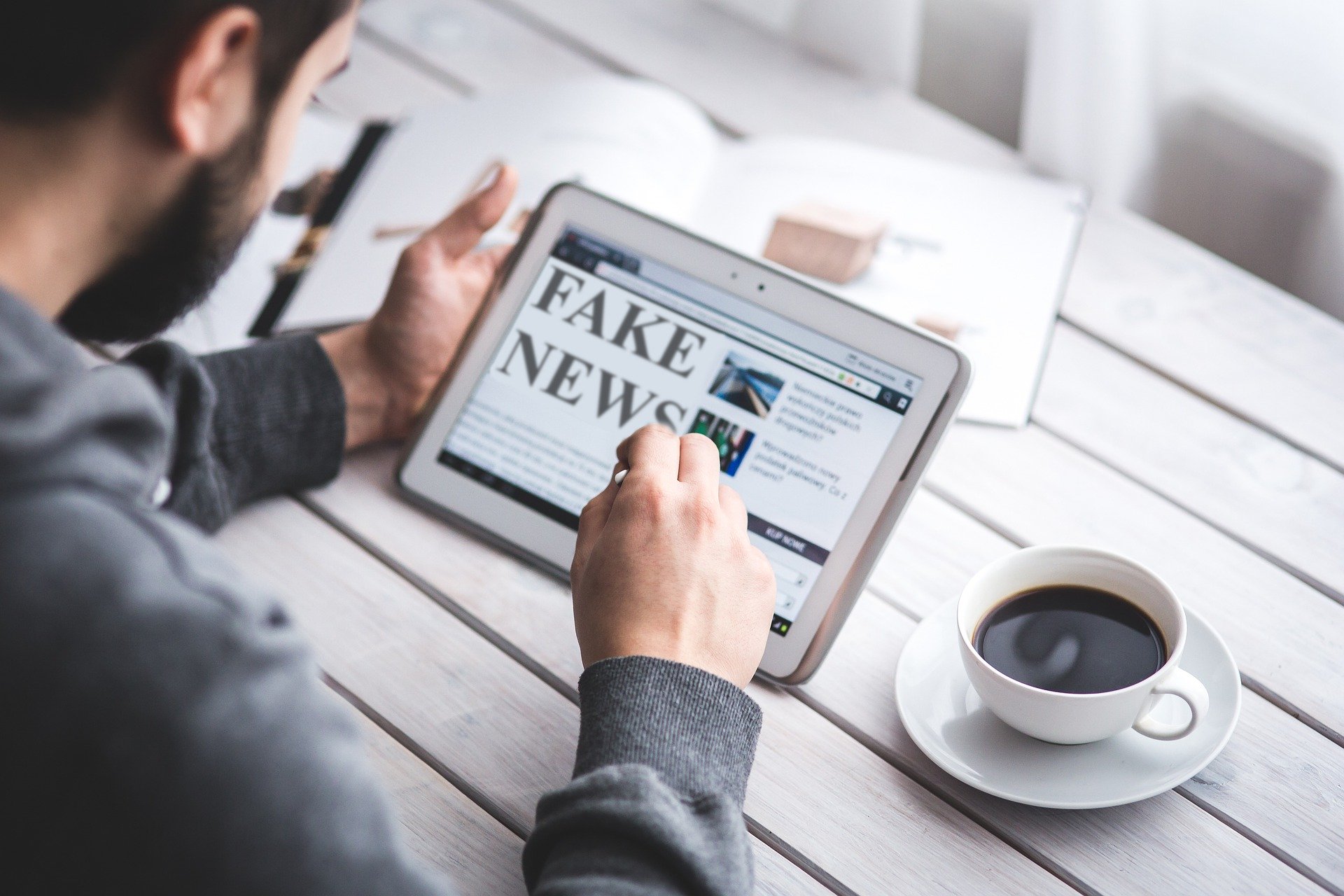
A recent Ofcom study has revealed that 46% of UK respondents have encountered false or misleading information about coronavirus since lockdown measures began. The survey, which polled over 2,000 people during the first week of stay-at-home measures, found that two-thirds of those exposed to misinformation were seeing it at least once daily, with 55% taking no action to counter it.
Social media has emerged as the primary vehicle for COVID-19 misinformation, according to research from the Reuters Institute of Journalism and Oxford University. Their analysis of 225 examples of COVID-19 misinformation showed that 88% appeared on social media platforms, where content can be posted instantly without verification or editorial oversight.
The study also found that 56% of coronavirus misinformation is based on reconfigured factual information. For example, the legitimate NHS recommendation to wash bed linen at 60 degrees Celsius to prevent germ spread has morphed into false claims that hot baths or hairdryers can protect against COVID-19.
Misunderstandings around terminology have fueled further confusion. The term “coronavirus” refers to an entire family of viruses dating back to the 1960s, not specifically to the virus causing COVID-19. This has led to conspiracy theories about foreknowledge of the pandemic, with one widely-shared Facebook post showing a disinfectant label claiming to “kill human coronavirus” generating speculation that manufacturers knew about COVID-19 before the public.
Financial gain, political interests, and the pursuit of viral attention can motivate deliberate misinformation. Social media algorithms may inadvertently amplify such content, as sensationalist material tends to attract more user engagement, generating more advertising revenue for platforms.
The spread of COVID-19 misinformation has serious consequences. The Reuters Institute found that 39% of false claims involved actions of public authorities, potentially eroding trust in official guidance. Research from King’s College London indicates that people who believe coronavirus conspiracy theories are more likely to disregard public health measures like social distancing.
Health implications can be severe. Misinformation contradicting official medical advice puts lives at risk, as evidenced in Iran, where over 300 people reportedly died after consuming methanol following false claims it could treat COVID-19.
Criminal exploitation has also increased, with fraudsters capitalizing on public uncertainty. Action Fraud recorded losses exceeding £1.6 million due to COVID-19 related scams, while Google reports approximately 18 million hoax emails about COVID-19 are sent daily.
In response, major digital platforms including Facebook, Google, Twitter, and Microsoft have announced collaborative efforts to combat online misinformation. Measures include content removal, deprioritizing misleading information, promoting official health guidance, and restricting advertising for certain products like face masks and sanitizers. WhatsApp has limited message forwarding capabilities to slow the spread of misinformation.
Fact-checking organizations have seen a dramatic increase in workload, with one analysis estimating a 900% increase in English-language fact checks from January to March 2020. The International Fact-Checking Network has created a database of COVID-19 fact checks covering 70 countries, while the World Health Organization maintains a “myth busters” section on its website.
The UK government has relaunched its “Don’t Feed The Beast” public information campaign, providing a five-step checklist to help identify misleading information. Meanwhile, the Centre for Countering Digital Hate advises social media users not to engage with false information, even to debunk it, as engagement can inadvertently amplify its reach.
The government has established a Counter Disinformation Unit within the Department for Digital, Culture, Media and Sport to identify and respond to COVID-19 misinformation, reportedly resolving up to 70 incidents weekly.
Fact Checker
Verify the accuracy of this article using The Disinformation Commission analysis and real-time sources.

9 Comments
It’s alarming that so many people are being exposed to COVID-19 misinformation, especially when it’s happening on a daily basis. We need a concerted effort to promote reliable, science-based information and debunk false claims quickly.
This is a worrying trend. Misinformation around public health issues can have devastating real-world consequences. I hope the relevant authorities can find effective ways to combat the spread of these false claims.
The finding that over half of those exposed to misinformation take no action to counter it is really concerning. People need to be more proactive about verifying information, especially on topics as critical as public health.
Absolutely. It’s crucial that individuals take responsibility for the information they consume and share online. We all have a role to play in stopping the spread of misinformation.
I’m not surprised to see social media playing a big role in the spread of COVID-19 misinformation. The ability to instantly post unverified claims without oversight is a real problem. Fact-checking and education will be crucial.
Good point. Misleading information that builds on legitimate advice, like the example with washing bedding, can be particularly insidious. People need to be very cautious about taking medical advice from unqualified sources.
This is really concerning. Misinformation can have serious consequences, especially during a public health crisis like COVID-19. It’s important that people rely on authoritative sources and fact-check claims before sharing them.
Absolutely. Social media platforms need to do more to combat the spread of misinformation. Verifying sources and moderating content should be a top priority.
This is a complex issue, but the bottom line is that misinformation can have serious consequences. I hope the relevant authorities and platforms can find effective ways to address this problem and protect public health.