


Listen to the article
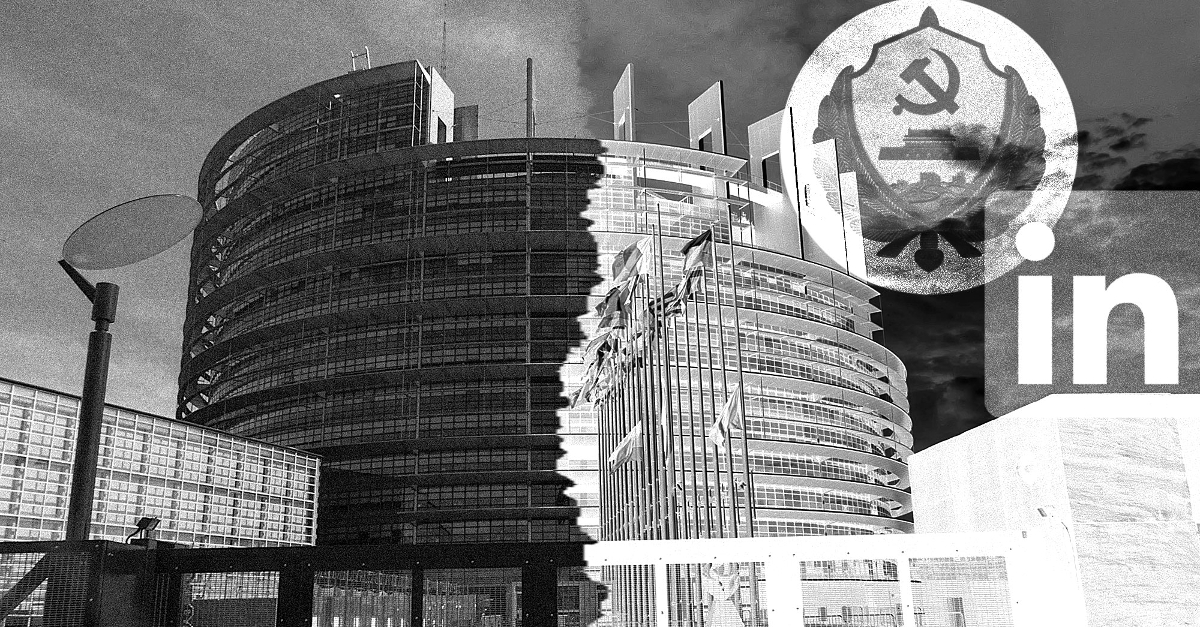
China has stepped up its espionage efforts against European targets using sophisticated social engineering techniques on professional networks, according to multiple intelligence sources. The campaign, attributed to Chinese state actors, has been targeting high-profile individuals across the European Union, with a particular focus on French officials and executives.
Security experts have identified a pattern of fake LinkedIn profiles being used to establish contact with potential intelligence targets. These profiles, which often feature stolen photographs and fabricated work histories at prestigious companies or government agencies, are crafted to appear legitimate to unsuspecting professionals.
“The operation shows a significant level of sophistication,” said a European counterintelligence official speaking on condition of anonymity. “These actors invest considerable time building credible online personas before making their approach.”
The targeting appears strategic rather than random, with Chinese operatives focusing on individuals with access to sensitive information in defense, technology, and economic sectors. Those approached typically hold positions that would provide valuable intelligence on EU policy decisions, technological innovations, or commercial negotiations.
Once contact is established through connection requests, the operatives gradually build relationships over weeks or months before requesting seemingly innocuous information. This slow-burn approach is designed to normalize the relationship before sensitive requests are made.
“What makes this campaign particularly concerning is the patience demonstrated by the actors,” explained a cybersecurity analyst familiar with the investigation. “They’re willing to invest six months or more cultivating a single source before attempting to extract valuable information.”
The French government has been particularly affected, with several officials from ministries handling foreign affairs, defense, and economic development reportedly targeted. This focus aligns with China’s strategic interests in understanding France’s position on various EU policies and its stance on international relations with Beijing.
LinkedIn has become an attractive platform for intelligence operations due to its professional nature and the wealth of information users typically share about their expertise, connections, and work history. The platform’s networking purpose makes connection requests from unknown individuals less suspicious than on other social networks.
“Professional networks provide a treasure trove of intelligence without requiring sophisticated hacking,” noted a former intelligence officer. “Why breach a database when targets willingly share their professional histories, connections, and even current projects?”
European security services have responded by issuing warnings to potential targets in sensitive positions, advising them to exercise caution when accepting connection requests from unknown individuals. Some organizations have implemented mandatory security awareness training focused specifically on recognizing social engineering attempts via professional networks.
LinkedIn representatives stated that the company actively monitors for inauthentic accounts and regularly removes those violating platform policies. “We invest in automated and manual defenses to detect and address threats on our platform,” a LinkedIn spokesperson said. “We encourage members to report suspicious profiles and be cautious about sharing sensitive information.”
This campaign comes amid broader tensions between China and the European Union over issues ranging from trade imbalances to human rights concerns. European officials view these intelligence-gathering efforts as part of China’s larger strategy to gain economic and political advantages in its dealings with the EU.
Security experts recommend several protective measures for potential targets, including verifying connection requests through alternative channels, limiting professional information shared online, and being wary of requests for documents or insights that could have strategic value.
The revelation of this espionage campaign highlights the evolving nature of intelligence gathering in the digital age, where human intelligence operations increasingly begin in virtual spaces before potentially transitioning to real-world meetings or exchanges.
European security agencies continue to monitor the situation, sharing intelligence on suspected fake profiles and coordinating defensive measures across member states to counter what appears to be a persistent and evolving threat to European security interests.
Fact Checker
Verify the accuracy of this article using The Disinformation Commission analysis and real-time sources.

9 Comments
This is quite concerning. Cybersecurity threats from nation-state actors are a growing challenge, and we must remain vigilant against sophisticated social engineering tactics like these fake LinkedIn profiles. Protecting sensitive information and maintaining trust in professional networks is critical.
I agree. The use of stolen identities and fabricated work histories to gain access to high-profile targets is a disturbing tactic. Diligence and security awareness are essential to safeguard against these types of espionage efforts.
While the details of this report are troubling, it’s not entirely surprising. Cyber-espionage and the exploitation of social media platforms have become increasingly common tools in the arsenal of nation-state actors. Ongoing vigilance and collaboration between government, industry, and the public will be crucial to combat these threats.
Absolutely. Maintaining a strong cybersecurity posture and educating professionals on the risks of social engineering attacks should be a top priority. Coordinated efforts across sectors will be essential to effectively counter these sophisticated espionage campaigns.
Hmm, the targeting of European officials and executives in sensitive sectors is quite alarming. It seems the Chinese state actors are becoming increasingly sophisticated in their espionage efforts, leveraging professional networks to gain access to valuable intelligence. We must remain vigilant.
Agreed. The level of sophistication employed in creating these fake LinkedIn profiles is concerning. Strengthening cybersecurity protocols and educating professionals on social engineering tactics should be a priority to protect against such espionage campaigns.
This is a concerning development, as it demonstrates the lengths that some nation-state actors will go to in order to gather intelligence. The use of fabricated online personas to infiltrate professional networks is a worrying tactic that requires a robust response from the European Union and its member states.
This news highlights the need for robust due diligence and verification processes when engaging with online professional contacts. While the convenience of platforms like LinkedIn can be valuable, we must remain cautious of potential malicious actors seeking to exploit these networks for nefarious purposes.
This report highlights the need for robust counterintelligence measures, both at the individual and organizational level. Maintaining a healthy skepticism towards online personas and verifying credentials is crucial to mitigate the risks posed by these state-sponsored cyber-espionage activities.