


Listen to the article
Growing Concern: Nearly Half of UK Children Exposed to Fake News Online
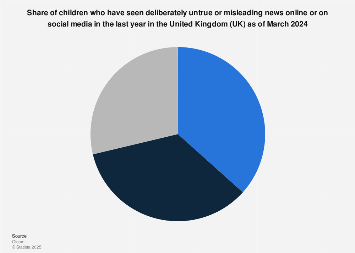
Nearly half of British children have encountered deliberately false or misleading news content online in the past year, according to a revealing new study from Ofcom, the UK’s communications regulator.
The research, released on May 22, 2024, shows that 47 percent of children in the United Kingdom reported seeing fake news on social media platforms or other online sources during the previous 12 months. This significant exposure highlights growing concerns about children’s media literacy and online safety in an increasingly digital world.
The findings are particularly concerning given the impressionable nature of younger internet users, who may not have fully developed the critical thinking skills needed to identify and filter misinformation. Child psychology experts have long warned that repeated exposure to false information can shape developing worldviews and potentially lead to long-term trust issues with media.
Social media platforms appear to be the primary channels through which children encounter misleading content. Major platforms like YouTube, TikTok, Instagram, and Snapchat – all popular among younger users – have faced increasing scrutiny over their content moderation practices and algorithmic recommendation systems that can sometimes amplify sensationalist or false information.
Education specialists emphasize the importance of developing digital literacy programs specifically tailored to younger audiences. “Children need age-appropriate guidance on how to critically evaluate online content,” says Dr. Emma Matthews, an education researcher at King’s College London. “This isn’t just about spotting obvious falsehoods, but understanding how information can be manipulated or presented in misleading ways.”
The UK government has taken steps to address these concerns through initiatives like the Online Safety Bill, which aims to place greater responsibility on tech companies to protect users, especially children, from harmful content. The legislation includes specific provisions regarding misinformation and disinformation.
Tech companies have responded by implementing various safeguards, including fact-checking partnerships, content warnings, and educational resources. However, critics argue these measures remain insufficient given the scale of the problem and the sophisticated nature of modern misinformation campaigns.
The problem extends beyond the UK, with similar trends observed across Europe and North America. A 2023 study by the European Commission found comparable exposure rates among children in several EU member states, suggesting this is a transnational issue requiring coordinated responses.
Parents face significant challenges in monitoring and guiding their children’s online experiences. Many report feeling overwhelmed by the rapidly evolving digital landscape and unsure about how to effectively discuss fake news with their children without undermining their independence.
“The responsibility can’t fall solely on parents,” notes Claire Thompson from the UK’s Internet Safety Council. “This needs to be a collaborative effort between families, educators, tech platforms, and regulators to create safer online spaces while equipping young people with the skills they need to navigate digital information.”
Media literacy experts recommend integrating critical thinking about online content into school curricula from an early age, with practical exercises that help children identify potential red flags in news articles or social media posts.
As digital platforms continue to evolve and information sources multiply, the challenge of protecting children from misleading content while preparing them to become discerning digital citizens remains a pressing concern for British society – one that requires ongoing attention from policymakers, educators, parents, and the technology industry alike.
Fact Checker
Verify the accuracy of this article using The Disinformation Commission analysis and real-time sources.

22 Comments
Nearly half of UK children exposed to fake news online? That is deeply concerning. Stronger digital literacy initiatives and platform accountability measures are clearly needed to protect vulnerable young minds.
Couldn’t agree more. The risks of misinformation are especially high for impressionable children and teens.
The prevalence of fake news among children is a worrying trend that requires urgent attention. Robust media literacy programs and stronger platform moderation are needed to protect vulnerable young users.
Absolutely. Proactive measures to empower children and hold platforms accountable are essential to address this growing problem.
Nearly half of UK children exposed to fake news online is a shocking statistic. Addressing this problem requires a comprehensive, multi-stakeholder approach focused on empowering young users with critical thinking skills.
I agree. Equipping children with the ability to identify and avoid misinformation is crucial in today’s digital landscape.
The prevalence of fake news among children is a worrying trend. Developing robust media literacy from an early age is essential to build resilience against online misinformation.
Definitely. Equipping the next generation with critical thinking skills should be a top priority.
This study highlights the scale of the fake news challenge facing UK children. Policymakers, educators, and tech companies must work together to develop comprehensive solutions to safeguard young internet users.
Agreed. A coordinated, multi-stakeholder approach is crucial to equip children with the tools to navigate online safely and responsibly.
The findings in this report are very troubling. Fake news can have serious consequences, especially for young, impressionable internet users. Urgent action is needed to address this growing problem.
I agree. Safeguarding children’s online experiences should be a key focus for policymakers and tech companies.
This study highlights the scale of the fake news problem facing young internet users. Policymakers need to work with tech companies and educators to find effective solutions to safeguard children’s online experiences.
Agreed. A multi-stakeholder approach is needed to empower kids with the tools to spot and avoid misinformation.
The findings in this report are deeply concerning. Fake news can have serious consequences for impressionable young minds. Urgent action is needed to improve media literacy and platform accountability.
Absolutely. Protecting children from the risks of online misinformation should be a top priority for all stakeholders.
This data highlights the scale of the fake news challenge facing UK children. Platforms, educators, and parents all need to work together to improve digital literacy and protect vulnerable young users.
Absolutely. A comprehensive, multi-stakeholder approach is essential to empower children to navigate the online world safely.
Nearly half of UK children exposed to fake news online is deeply concerning. Improving media literacy and platform accountability should be top priorities to safeguard young internet users.
Agreed. Equipping children with the skills to identify and avoid misinformation is crucial in today’s digital landscape.
Concerning numbers, indeed. Media literacy education for kids is crucial in this digital age to help them navigate and identify fake news online. Platforms need to do more to protect young users from misinformation.
Absolutely. Teaching critical thinking skills should be a priority so children can better discern fact from fiction online.