


Listen to the article
Cancer Misinformation Spreads Online as Patients Seek Answers
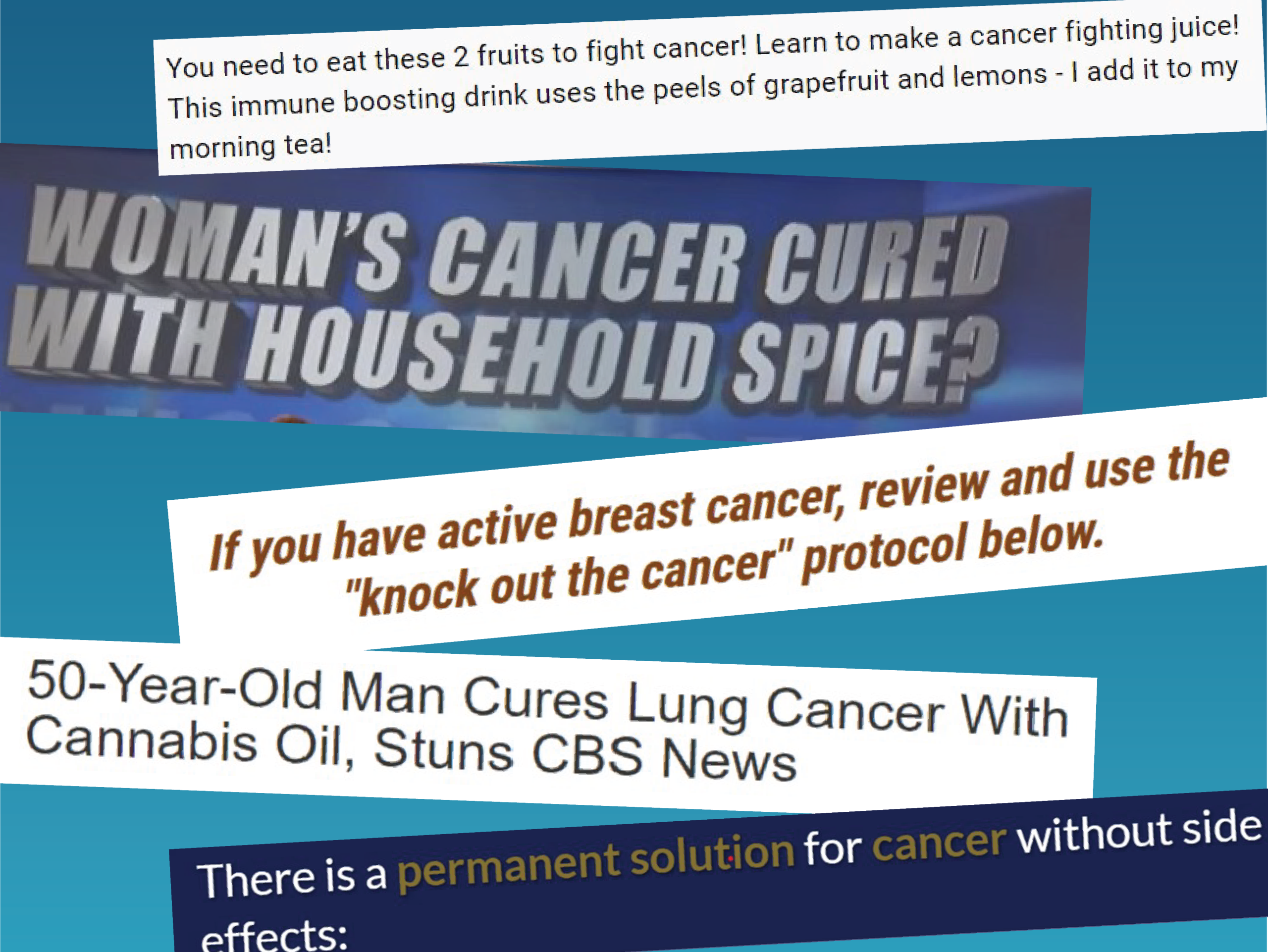
In the vulnerable moments following a cancer diagnosis, many patients and their families turn to the internet and social media for information and hope. This increasingly common practice, however, exposes them to a troubling volume of misleading and potentially harmful medical misinformation, according to oncologists and health communication experts.
A recent study found that one in three popular social media articles about the four most common cancers contained false, inaccurate, or misleading information. More concerning still, researchers determined that 77% of these inaccurate articles contained information that was potentially harmful to patients.
“People have been sharing inaccurate health information since the beginning of time,” said Wen-Ying Sylvia Chou, Ph.D., M.P.H., from the National Cancer Institute’s Health Communication and Informatics Research Branch. “But the internet and social media have made it far easier to share and spread health misinformation.”
The study, led by Dr. Skyler Johnson of the Huntsman Cancer Institute, examined 200 of the most popular articles about breast, prostate, colorectal, and lung cancer shared on Facebook, Reddit, Twitter, and Pinterest. Expert reviewers identified numerous instances where misinformation could lead to dangerous outcomes, including delays in seeking proper medical care or financial harm from wasted resources.
One particularly troubling trend: articles containing misinformation received higher engagement than those with accurate information. A separate study by Dr. Stacy Loeb of NYU School of Medicine found similar patterns on YouTube, where videos promoting unproven treatments like “injecting herbs into the prostate to treat cancer” garnered more views and positive reactions than videos containing medically accurate information.
“It’s clear that cancer misinformation is a pervasive problem across social networks,” Dr. Loeb said. Her recent research has identified similar issues on TikTok and Instagram, highlighting the widespread nature of the problem.
The real-world consequences can be severe. A 2017 study found that cancer patients who chose alternative treatments instead of conventional cancer care faced a significantly higher risk of death. While that study didn’t specifically examine the role of social media in these decisions, the growing prevalence of misinformation online raises serious concerns.
Oncologists find themselves increasingly navigating these issues in clinical settings. Dr. Lidia Schapira, a breast cancer specialist at Stanford University, emphasizes the importance of listening to patients’ concerns with empathy and respect.
“I start by asking questions, listening, and being nonjudgmental,” Dr. Schapira explained. She works to find common ground with patients who may have been influenced by misinformation, focusing on shared goals like achieving a cure or maintaining quality of life.
Health communication experts suggest multiple approaches to combat the problem. Dr. Johnson encourages oncologists to proactively discuss information patients find online. “Doctors should be aware that misinformation is out there and let patients know they should feel free to discuss it with their health care providers,” he said.
The National Cancer Institute’s Cancer Information Service (CIS) frequently fields questions about unproven treatments from desperate patients. “We get a lot of questions from people with advanced cancer who are looking for things other than standard treatment options,” said CIS resource specialist Laura Rankin.
The service provides not only accurate information but also helps patients develop strategies for discussing these topics with their healthcare providers. “Some dietary supplements could interact with your treatment, so it’s always important to talk with your doctor before taking something,” noted Lauren Tarry, a CIS supervisor.
Social media platforms can also be part of the solution, experts say. Dr. Loeb maintains an active Twitter presence and works with professional societies to share evidence-based health information online. She created a Twitter journal club with the hashtag #ProstateJC, where scientists discuss new prostate cancer research in a forum open to both experts and the public.
Researchers are now working to identify specific features that predict misinformation, such as where articles appear, who writes them, and the types of claims made. The ultimate goal, according to Dr. Johnson, is developing ways “to help patients overcome misinformation that they encounter.”
Health communication experts emphasize that addressing this problem requires a multi-level approach involving healthcare professionals, research organizations, government agencies, and technology companies. Dr. Chou also advocates for improved health literacy education beginning in K-12 curricula.
“We assume that if you give someone good information you can help and make a difference,” Dr. Chou said, “but we need to acknowledge that we live in a very noisy environment. The floodgate has been opened and we have to work with that.”
Fact Checker
Verify the accuracy of this article using The Disinformation Commission analysis and real-time sources.

15 Comments
If AISC keeps dropping, this becomes investable for me.
Good point. Watching costs and grades closely.
Good point. Watching costs and grades closely.
Silver leverage is strong here; beta cuts both ways though.
Good point. Watching costs and grades closely.
Good point. Watching costs and grades closely.
I like the balance sheet here—less leverage than peers.
Good point. Watching costs and grades closely.
Good point. Watching costs and grades closely.
I like the balance sheet here—less leverage than peers.
Good point. Watching costs and grades closely.
If AISC keeps dropping, this becomes investable for me.
Good point. Watching costs and grades closely.
Good point. Watching costs and grades closely.
Silver leverage is strong here; beta cuts both ways though.