


Listen to the article
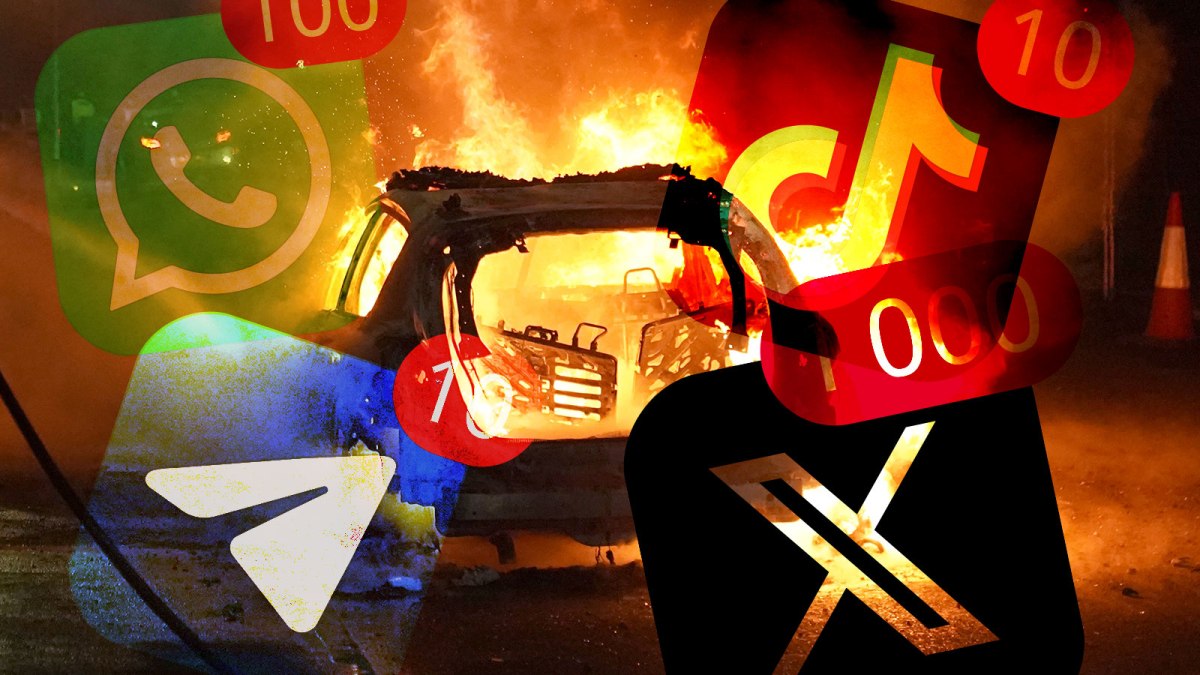
In the days following the tragic knife attack at a Taylor Swift-themed dance class in Southport that left three children dead, a dangerous wave of misinformation swept across social media platforms. What began as whispers quickly escalated into a full-blown storm of false claims about the suspect’s identity, fueling violent riots across multiple British cities.
The scale and speed of this misinformation campaign has left authorities, social media experts, and community leaders scrambling to understand both its origins and how to contain it before more damage is done. While some posts appeared spontaneous, security analysts have identified patterns suggesting a more coordinated effort may be at play.
“We’re seeing a mix of authentic outrage based on false information, alongside what appears to be deliberate amplification by accounts with suspicious patterns of behavior,” said Dr. Eleanor Hughes, a digital disinformation researcher at King’s College London. “Some accounts posting the most inflammatory content were created just days before the incident or show signs of being repurposed.”
Among the most troubling aspects of this crisis is how quickly false claims about the suspect’s religion and immigration status spread despite police statements contradicting these narratives. Within hours of the attack, unsubstantiated rumors that the perpetrator was a Muslim asylum seeker had been viewed millions of times across platforms including X (formerly Twitter), Facebook, and Telegram.
Home Secretary Yvette Cooper condemned the spread of these falsehoods, stating that “dangerous misinformation is being deliberately circulated to stoke division and fear.” Police have launched investigations into several accounts suspected of orchestrating the most inflammatory posts, with potential charges under Britain’s communications and public order laws.
The riots that followed have caused millions of pounds in damage to businesses and public property. In Liverpool, Birmingham, and several other cities, far-right demonstrators clashed with police, attacked mosques, and targeted businesses owned by ethnic minorities. Over 400 arrests have been made so far, with Prime Minister Keir Starmer promising swift justice for those involved.
Social media platforms have faced fierce criticism for their response. Despite policies against hate speech and misinformation, many of the most damaging posts remained visible for days. Meta, which owns Facebook and Instagram, reported removing over 12,000 pieces of content related to the Southport attack, while X has been widely criticized for what many perceive as a sluggish response.
“The current content moderation systems simply weren’t prepared for this kind of coordinated campaign,” said Imran Ahmed, CEO of the Center for Countering Digital Hate. “Platforms need to recognize when their algorithms are being manipulated to spread division.”
Security experts have noted similarities to previous disinformation campaigns attributed to foreign actors seeking to exploit societal tensions in Western democracies. However, officials have been careful not to attribute the campaign to any specific group without conclusive evidence.
Community leaders in Southport have worked tirelessly to counter the division. Local interfaith groups organized vigils attended by people of all backgrounds, emphasizing unity and respect for the victims’ families. “This community will not be defined by hatred,” said Reverend Sarah Thompson at one such gathering. “We stand together in grief and solidarity.”
Digital literacy experts emphasize that individuals can help by verifying information before sharing it and reporting suspicious content. “Ask yourself if the source is credible, if the claim seems designed to provoke strong emotions, and if official sources have confirmed the information,” advised media literacy advocate James Wilson.
As investigations continue into both the attack itself and the subsequent disinformation campaign, the events in Southport have highlighted the growing challenge of managing crisis information in the digital age. The case serves as a sobering reminder of how quickly misinformation can transform from digital words into physical violence, and the collective responsibility required to prevent such escalation in the future.
Fact Checker
Verify the accuracy of this article using The Disinformation Commission analysis and real-time sources.

10 Comments
I’m curious to learn more about the specific tactics and motivations behind this disinformation campaign. Were certain groups or interests attempting to exploit the situation for their own agenda? Understanding the root causes is important to developing effective solutions.
Good point. Digging into the origins and potential incentives behind the false claims could shed light on how to disrupt these kinds of coordinated influence operations going forward. A comprehensive analysis will be critical.
The ability of coordinated disinformation campaigns to rapidly spread and cause real-world harm is deeply concerning. I’m curious to learn more about the specific tactics and technologies being used, so that more effective countermeasures can be developed.
Absolutely. A thorough investigation into the mechanics of this operation could yield valuable insights to strengthen our collective defense against future attempts to manipulate public discourse through online channels.
The scale and speed of this misinformation campaign is truly alarming. It underscores the urgent need for social media platforms, government agencies, and civil society to develop more effective strategies to combat the rise of coordinated disinformation efforts.
Agreed. Collaborative, multi-stakeholder approaches will be key to building resilience against these kinds of influence operations. Rigorous fact-checking, content moderation, and public education initiatives should all be part of the solution.
This is a concerning situation. Misinformation and coordinated disinformation campaigns can cause real harm, especially in the aftermath of tragic events. It’s critical that authorities and social media platforms work quickly to identify and contain the spread of false claims before they escalate further.
Agreed. Rapid response and transparency from officials will be key to regaining public trust and restoring order. Identifying the source of these coordinated efforts is crucial to preventing similar crises in the future.
This is a tragic situation that has been made even worse by the spread of false information. I hope the authorities are able to quickly identify the sources of the disinformation and take appropriate actions to restore public trust and prevent further escalation of tensions.
This is a sobering reminder of the power of social media to rapidly amplify misinformation, especially around sensitive topics. I hope the authorities are able to quickly restore public order and provide accurate information to quell the spread of harmful falsehoods.