


Listen to the article
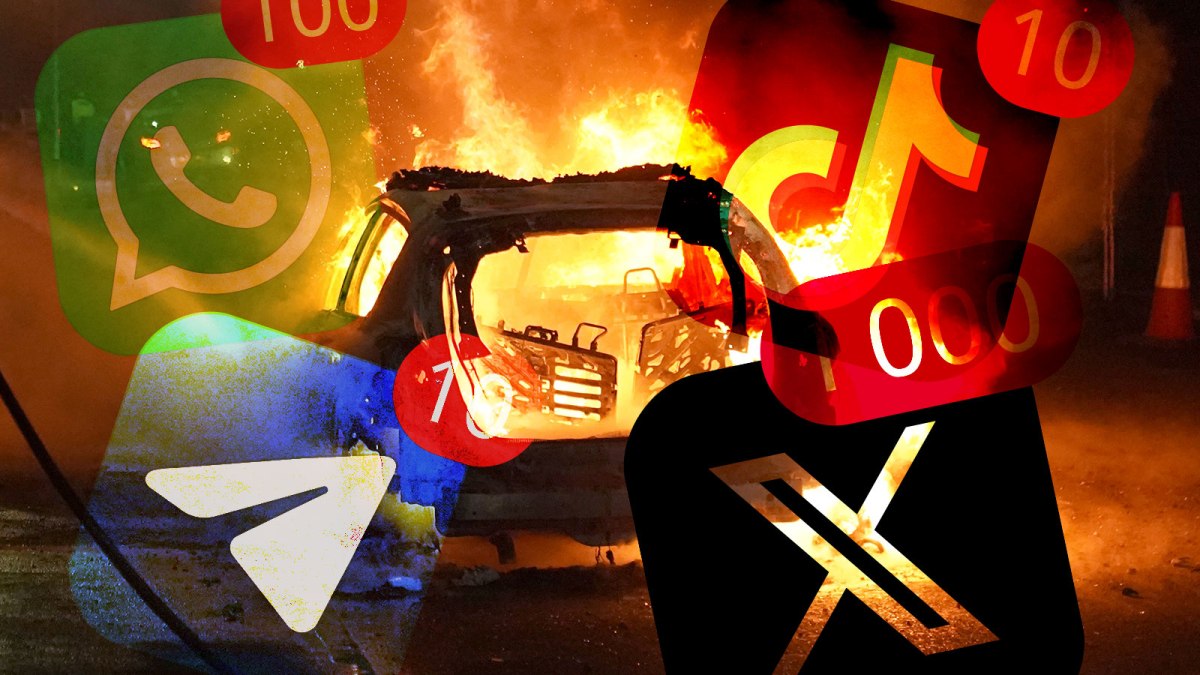
The wave of disinformation that flooded social media following the tragic Southport stabbings has revealed a disturbing network of anonymous accounts working in concert to inflame tensions and spread falsehoods across Britain.
Digital investigators have identified a pattern of coordinated activity behind the social media storm that led to violent riots in multiple cities. What began as misinformation about the identity of the suspect in the fatal stabbings of three children quickly evolved into a sophisticated campaign of deception that reached millions of users within hours.
Analysis of the accounts responsible shows many were created recently with minimal biographical information. These accounts systematically amplified each other’s content, creating an artificial impression of widespread public sentiment while disguising their origins.
“What we’re seeing is classic information manipulation tactics being deployed with alarming effectiveness,” said Dr. Helena Marsh, a specialist in digital disinformation at Cambridge University. “The speed and coordination suggest either a well-organized network or possibly state-backed actors exploiting a national tragedy.”
The campaign appears to have been orchestrated through private messaging groups where participants coordinated posting times and shared talking points. Evidence suggests many of the accounts originate from overseas, with digital forensics indicating clusters of activity from Eastern Europe and parts of Asia.
Social media platforms have struggled to contain the spread of false information. Despite removing thousands of posts and suspending hundreds of accounts, the damage was already done. By the time fact-checks were published, the original falsehoods had been viewed millions of times.
Home Secretary Yvette Cooper condemned the “deliberate attempts to sow division and hatred” and promised a thorough investigation into those responsible. Government officials are now considering enhanced regulations that would require social media companies to act more swiftly against coordinated inauthentic behavior.
The real-world consequences have been severe. Multiple cities experienced violent clashes between protesters and police, resulting in injuries to officers and significant property damage. In Liverpool, community leaders worked desperately to counter misinformation as it spread through local networks.
“The speed at which these falsehoods traveled made traditional fact-checking almost irrelevant,” said Marcus Bennett, director of the Media Trust watchdog organization. “By the time verified information could be distributed, the damage was already done.”
Technology experts note that the disinformation playbook used in Southport follows a pattern seen in previous incidents across Europe and the United States. The formula typically involves seizing on emotionally charged events, introducing false ethnic or religious elements, and then using networks of accounts to create the appearance of organic outrage.
“What makes this particularly concerning is how targeted it was toward specific communities already experiencing tensions,” said Samira Khan, a researcher specializing in extremism at King’s College London. “The accounts knew exactly which buttons to push.”
Law enforcement agencies are now working with international partners to identify those behind the coordinated campaign. Digital forensic teams are analyzing posting patterns, linguistic markers, and connection data to trace the networks back to their source.
Meanwhile, tech companies are facing renewed pressure to improve their systems for detecting and disrupting coordinated inauthentic behavior. Critics argue that despite years of promises, platforms remain vulnerable to manipulation during critical events.
Community leaders in affected areas are now focused on rebuilding trust and countering the damage done by the disinformation campaign. Interfaith groups have organized solidarity events, while local councils have established information verification channels to quickly address future falsehoods.
The Southport case highlights a growing challenge for democratic societies: how to maintain truth and social cohesion in an era where digital manipulation has become increasingly sophisticated. As investigators work to identify those responsible, the incident serves as a sobering reminder of social media’s power to not just reflect but actively shape real-world events.
Fact Checker
Verify the accuracy of this article using The Disinformation Commission analysis and real-time sources.

19 Comments
While the details are still emerging, this case highlights the need for robust safeguards against coordinated online influence campaigns, especially around sensitive events. Proactive efforts to identify and disrupt such tactics are essential.
This is a concerning development. Coordinated disinformation campaigns can have serious real-world consequences. I hope the authorities are able to identify the sources and take appropriate action to limit the spread of false narratives.
Agreed, the speed and scale of these operations is quite alarming. Robust fact-checking and digital literacy efforts will be crucial to counter this kind of manipulation.
The speed and sophistication of this disinformation campaign is deeply concerning. I hope the authorities can quickly identify the sources and take decisive action to limit the damage.
This is a stark reminder of the real-world consequences of online disinformation. I hope the investigators can uncover the full scope of this operation and those responsible are held accountable.
Agreed. Proactive measures to identify and disrupt coordinated influence campaigns are crucial to protect public discourse and maintain social cohesion.
While the details are still unfolding, this incident is a sobering reminder of the potential for malicious actors to weaponize social media. Proactive efforts to identify and disrupt such tactics are essential to protect public discourse and maintain social cohesion.
Agreed. A multifaceted approach focused on transparency, accountability, and digital literacy is crucial to addressing the systemic issues that enable these manipulation tactics.
Exploiting national tragedies for political agendas is abhorrent. I hope the authorities can quickly identify the sources of this disinformation campaign and take appropriate action to limit the spread of false narratives.
Agreed. Robust fact-checking and public education efforts will be essential to counter the impact of these tactics and restore trust in reliable information sources.
This case underscores the urgent need for better regulation and oversight of social media platforms to prevent the spread of coordinated disinformation. I hope the investigators can uncover the full scale of this operation and those responsible are held accountable.
While the details are still emerging, this case highlights the need for stronger safeguards against the exploitation of social media for political gain. Transparency and accountability must be priorities.
Exploiting national tragedies for political agendas is despicable. I hope the investigators can uncover the full scope of this operation and those responsible are held accountable.
Absolutely. Sowing division and fanning the flames of violence through disinformation is a grave abuse of social media platforms. Transparency and accountability are key.
This is a sobering reminder of the potential for malicious actors to weaponize social media. I hope the authorities can quickly identify the sources and take steps to limit the spread of this disinformation.
Agreed. Rapid response and public education will be key to mitigating the impact of these tactics. Vigilance and a commitment to facts are our best defense.
Tragic events like this should bring communities together, not be exploited to sow discord. I hope the investigators can uncover the full scale of this operation and those responsible are held accountable.
While the details are still unfolding, this case underscores the urgent need for better regulation and oversight of social media platforms to prevent the spread of coordinated disinformation.
Agreed. Tackling the systemic issues that enable these manipulation tactics must be a priority. A multifaceted approach focused on transparency, accountability, and digital literacy is essential.