


Listen to the article
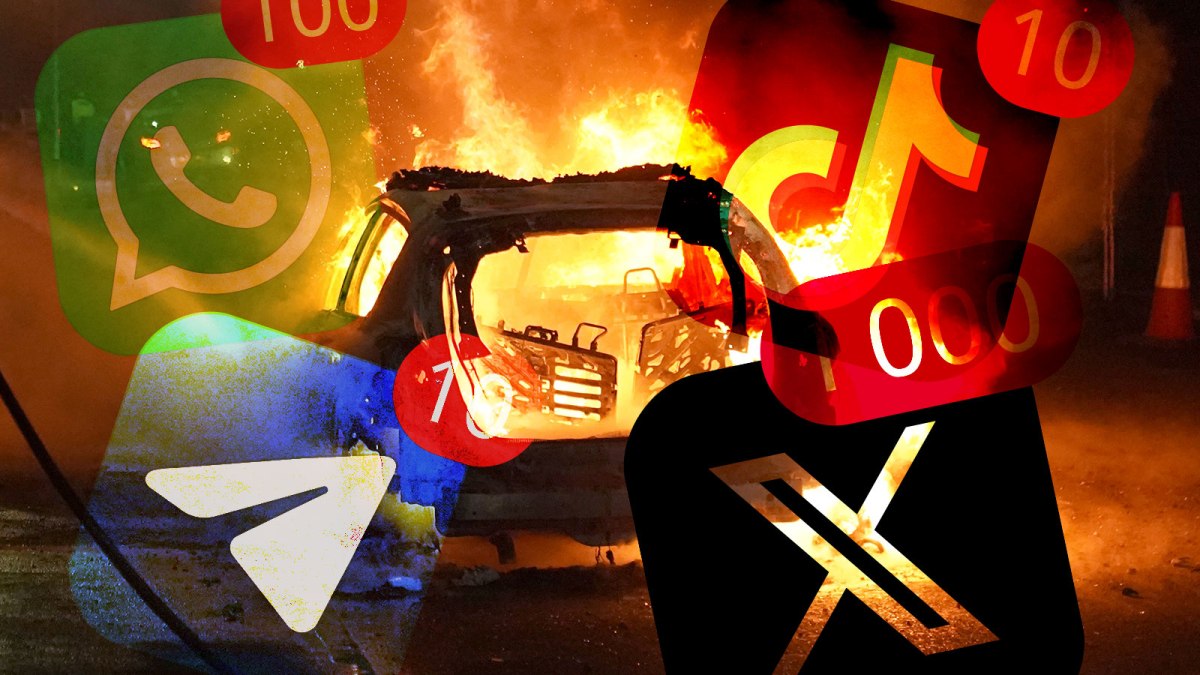
In the aftermath of the Southport tragedy that claimed the lives of three young girls, a coordinated wave of misinformation has engulfed social media platforms, fueling unrest and violence across the UK. Security services are now investigating what appears to be a deliberate disinformation campaign, potentially with links to Russia.
Intelligence analysts have identified suspicious patterns in how false claims about the suspect’s identity spread online. Within hours of the stabbings, social media accounts began circulating fabricated claims that the perpetrator was an asylum seeker who had arrived in Britain by crossing the English Channel. These posts gained significant traction despite official statements to the contrary.
Home Secretary Yvette Cooper has condemned what she described as a “deliberate campaign of incitement,” while police forces nationwide have mobilized to counter both online falsehoods and the resulting street violence. Several arrests have already been made in connection with those spreading inflammatory content.
The disinformation operation bears hallmarks of sophisticated manipulation techniques. According to cybersecurity experts, the campaign utilized dormant accounts suddenly activated to spread identical messaging across multiple platforms simultaneously. Many of these accounts displayed suspicious characteristics—created years ago but showing little activity until recently deploying identical talking points.
“This has all the signs of a coordinated inauthentic behavior campaign,” said one security source speaking on condition of anonymity. “We’re seeing networks of accounts that appear to have been lying dormant for months or years suddenly activate with nearly identical messaging.”
Russia has emerged as a potential culprit behind the operation. UK intelligence services have observed techniques consistent with past Russian disinformation tactics, including the strategic amplification of divisive content during moments of national crisis. The campaign’s timing and execution align with Moscow’s documented strategies to exploit social tensions in Western democracies.
Social media companies have struggled to contain the spread of false information. While platforms like X (formerly Twitter) and Facebook have removed some offending content, the scale and speed of the disinformation have overwhelmed their moderation systems. Critics argue these companies have failed to invest adequately in content moderation despite repeated warnings about their platforms’ vulnerability to manipulation.
The government has urged social media companies to take more robust action. Prime Minister Keir Starmer has announced an emergency meeting with tech executives to address the crisis, while the Online Safety Act’s provisions are being expedited to enhance regulatory oversight of digital platforms.
Community leaders in affected areas have described the real-world impact of this disinformation. In Southport, Liverpool, and other cities where riots erupted, local residents report feeling manipulated by outside forces. “People are sharing these posts without checking if they’re true,” said a Merseyside community organizer. “By the time the truth comes out, the damage is already done.”
Counter-disinformation experts emphasize that the campaign’s effectiveness stems partly from exploiting pre-existing social tensions around immigration and integration. “These operations don’t create divisions from scratch,” explained Dr. Emma Williams, who researches online extremism at King’s College London. “They identify existing fault lines in society and deliberately widen them.”
Law enforcement agencies face significant challenges in combating this threat. While they can arrest individuals inciting violence, addressing the source of coordinated disinformation campaigns requires sophisticated digital intelligence capabilities and international cooperation.
As investigations continue, security officials warn that this incident likely represents just one example of a broader pattern of information warfare targeting Western democracies. The Southport tragedy has exposed critical vulnerabilities in the UK’s information ecosystem and highlighted the real-world consequences when digital manipulation intersects with community tensions.
The government has promised a comprehensive review of national resilience against such threats, but experts caution that countering sophisticated disinformation campaigns will require unprecedented collaboration between intelligence agencies, technology companies, and civil society organizations.
Fact Checker
Verify the accuracy of this article using The Disinformation Commission analysis and real-time sources.

10 Comments
This underscores the need for improved media literacy and critical thinking skills, so people can better identify and resist the manipulation of online information. Relying on trusted, verified sources is crucial.
Agreed. Building societal resilience against disinformation should be a priority, through education and strengthening democratic institutions.
Interesting to see the potential foreign influence behind this social media storm. It’s important to rely on official sources and fact-checking to counter disinformation, rather than fueling unrest with unverified claims.
Agreed. Coordinated campaigns to spread misinformation are a serious concern that authorities need to address effectively.
While tragic events like this can bring out strong emotions, it’s important to stick to the facts and not get swept up in the spread of false claims, even if they align with our own views. Responsible reporting and content moderation are key.
Absolutely. Maintaining a calm, rational, and fact-based approach is the best way to counter these kinds of malicious disinformation campaigns.
The potential foreign ties to this disinformation campaign are troubling. It’s a good reminder that we must be vigilant about verifying information, especially on social media, to avoid stoking further unrest.
Well said. Identifying the sources and disrupting the tactics used in these kinds of coordinated influence operations is vital.
This highlights the need for robust online content moderation and fact-checking to limit the spread of fabricated claims, especially around sensitive events. Maintaining public trust is crucial.
Absolutely. Combating disinformation requires a multi-pronged approach involving tech platforms, law enforcement, and media literacy education.