


Listen to the article
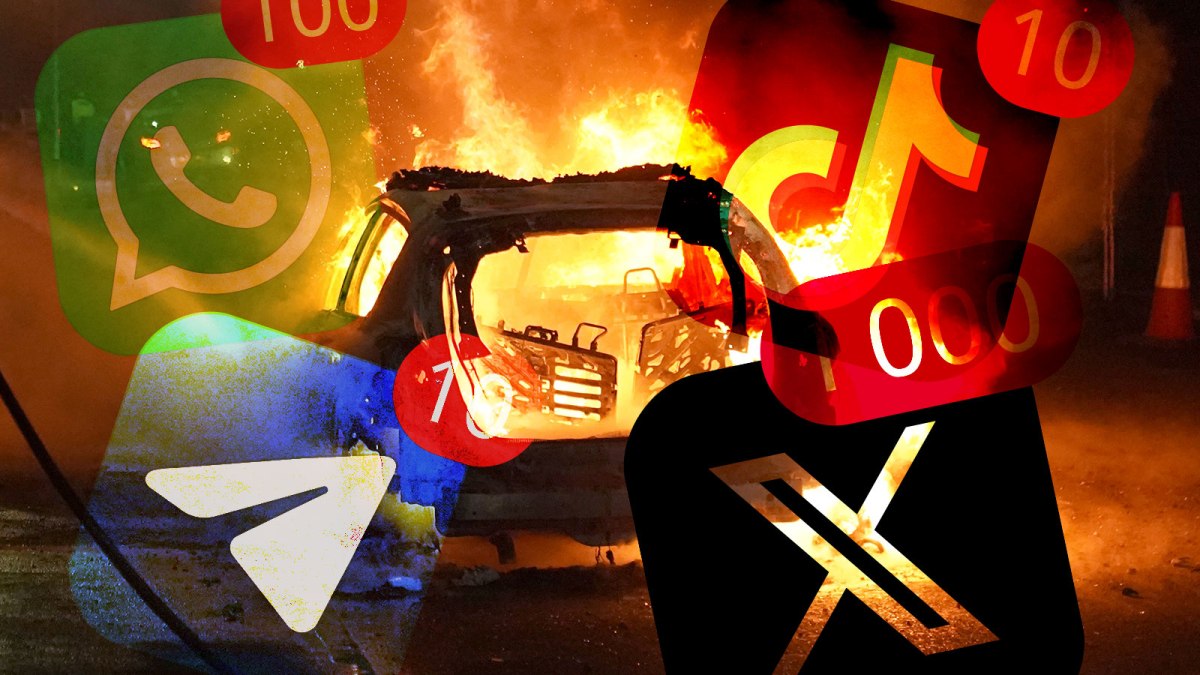
The violent scenes that erupted in Southport last week have sparked a dangerous wildfire across social media platforms, as malicious actors continue to spread disinformation about the knife attack that left three children dead at a Taylor Swift-themed dance class.
Security officials and social media experts have identified a troubling pattern in how false information spread online, with much of the initial inflammatory content originating from accounts outside the UK. Analysis reveals that foreign-based accounts, particularly from Russia and other countries known for information warfare tactics, played a significant role in amplifying tensions.
“We’re seeing a familiar playbook,” said a senior security official who requested anonymity due to the sensitivity of ongoing investigations. “Foreign actors identify societal fault lines and exploit them by spreading false narratives designed to inflame tensions and create chaos.”
The initial spark for unrest came after false claims about the identity and religion of the 17-year-old suspect began circulating widely on platforms like X (formerly Twitter), Facebook, and messaging apps including Telegram. Despite police statements confirming the suspect was born in the UK and is of Rwandan heritage, misinformation portraying him as a Muslim asylum seeker spread rapidly.
Digital forensics researchers have identified networks of coordinated inauthentic accounts that pushed these false narratives within hours of the attack. Many accounts displayed telltale signs of being part of influence operations, including recently created profiles with few followers that suddenly began posting highly divisive content about the Southport tragedy.
“These accounts weren’t interested in the truth,” explained Dr. Emma Wilson, who specializes in disinformation research at King’s College London. “They were designed to maximize social division by exploiting a horrific tragedy for geopolitical purposes.”
The speed and scale of the disinformation operation caught many platforms off-guard, despite years of warnings about the vulnerability of social media to such manipulation. Meta, owner of Facebook and Instagram, reported removing hundreds of accounts linked to coordinated inauthentic behavior, while X has faced criticism for its slower response to false information.
British officials have expressed frustration with the tech giants’ response. Home Secretary Yvette Cooper stated that social media companies “still aren’t doing enough to prevent their platforms being used to spread dangerous lies that fuel violence.”
The tactics mirror those seen in previous disinformation campaigns targeting Western democracies, including efforts to influence elections, promote extremist ideologies, and undermine public trust in institutions. What makes the Southport case particularly concerning is how quickly online disinformation translated into real-world violence.
Security analysts point to the increasing sophistication of these operations, which blend automated bot accounts with human-operated “troll farms” that create and disseminate content designed to appear authentic to British audiences.
“They understand our cultural references, use British slang, and know exactly which buttons to push,” said former intelligence officer Richard Blake. “This isn’t amateur hour – these are professional operations with clear strategic objectives.”
The riots that followed in Southport, Liverpool, and other cities have resulted in hundreds of arrests, with Prime Minister Keir Starmer promising swift justice for those involved in the violence. However, addressing the root cause – the foreign interference and manipulation – presents a more complex challenge.
The government has announced a review of existing laws regarding social media content, with potential new legislation that would hold platforms more accountable for allowing disinformation to spread. Critics argue that without meaningful consequences for tech companies, such operations will continue unabated.
As communities begin the process of healing after days of unrest, the digital battlefield remains active. Security officials warn that the same networks responsible for amplifying tensions around Southport are likely to pivot to new divisive issues, continuing to exploit societal tensions for strategic advantage.
“What we’re witnessing isn’t just about one tragic incident,” concluded Dr. Wilson. “It’s part of a broader pattern of information warfare that seeks to weaken democratic societies from within by turning citizens against each other. Until we develop more robust defenses, both technological and social, we remain vulnerable.”
Fact Checker
Verify the accuracy of this article using The Disinformation Commission analysis and real-time sources.

13 Comments
The details provided underscore the complexity of addressing modern disinformation campaigns. A multifaceted approach involving law enforcement, tech companies, and civil society will be essential to combat these threats.
Agreed. Strengthening international cooperation and information-sharing is crucial to disrupting the coordination and amplification of these malicious narratives.
This is a concerning situation. The role of foreign disinformation campaigns in amplifying local tensions is very troubling. Verifying facts and sources is crucial to prevent further escalation.
Agreed. We need to be vigilant against the spread of false narratives, especially on social media. Containing the damage from such campaigns is an ongoing challenge.
While the local incident is tragic, the foreign interference and exploitation of the situation is even more concerning. We need stronger international cooperation to address these cross-border information threats.
The details provided highlight the complex challenges in combating modern disinformation. Enhancing digital security, source verification, and public education will be critical going forward.
Agreed. Addressing the root causes and motivations behind these malicious campaigns is crucial to preventing future occurrences and restoring public trust.
This incident highlights the urgent need for more robust mechanisms to identify, track, and counter the malicious use of social media platforms by foreign actors. Protecting the integrity of public discourse is crucial.
It’s alarming to see how quickly misinformation can spiral out of control online. Robust fact-checking and communication strategies are essential to counter these malicious tactics.
Absolutely. The perpetrators behind these disinformation campaigns must be identified and held accountable. Public awareness and media literacy are key to building resilience.
The role of foreign actors in amplifying local tensions is deeply concerning. Strengthening international cooperation and coordination is essential to combat these cross-border information threats.
Absolutely. Enhancing media literacy and critical thinking skills among the public can also help build resilience against the spread of disinformation.
This is a worrying example of how social media can be weaponized to sow discord and chaos. Developing effective response strategies to counter such tactics should be a top priority.