


Listen to the article
Bahrain authorities have arrested six individuals, including footballer Ahmed Mirza Musa, over social media posts that allegedly violated the country’s cybercrime laws, according to official statements released Tuesday.
The Interior Ministry announced that the arrests followed “legal measures” taken against individuals who had published content deemed to “harm civil peace and social fabric.” While specific details about the content of the posts were not disclosed, the ministry emphasized that the actions constituted violations of Bahrain’s cybercrime legislation.
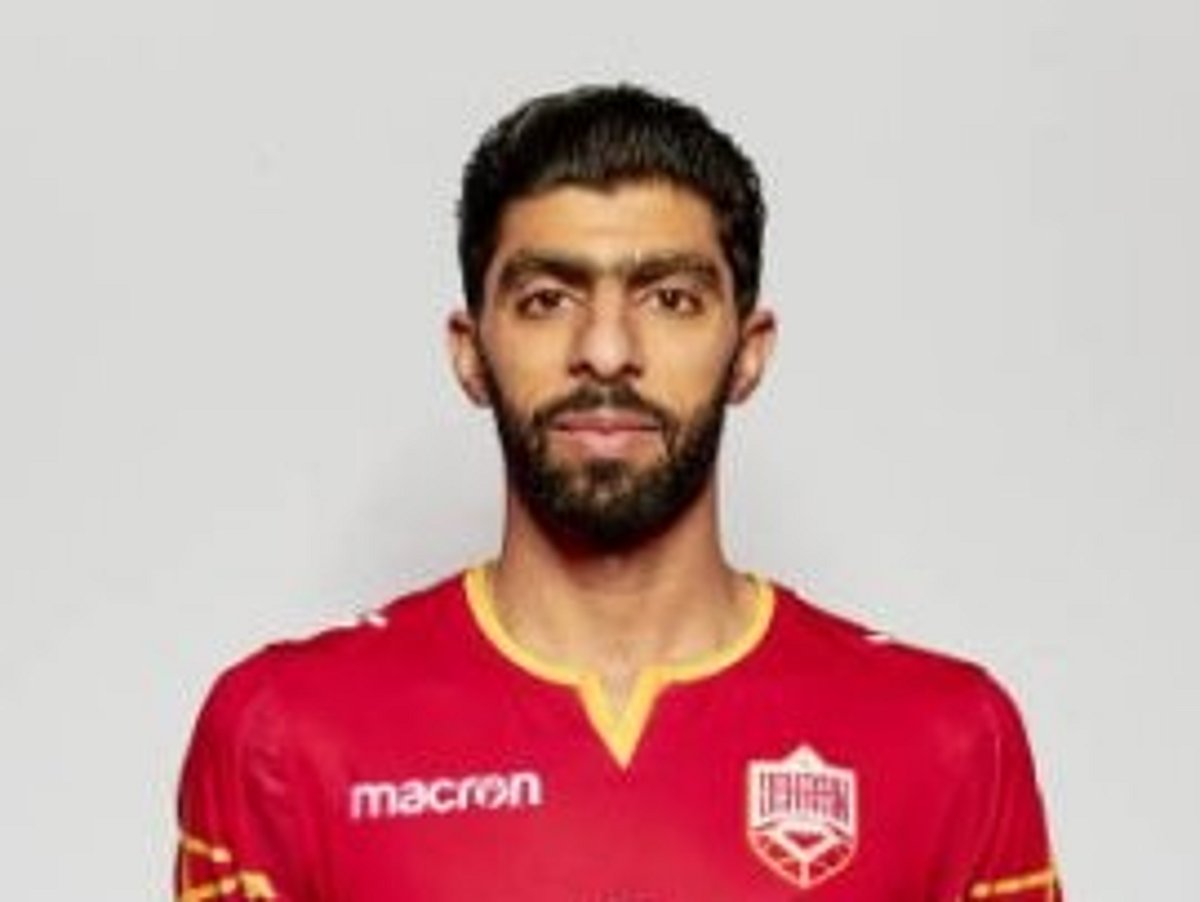
Ahmed Mirza Musa, a player for East Riffa Club, was among those detained. The 30-year-old midfielder has represented Bahrain’s national team in previous competitions and is considered a prominent figure in local football. His arrest has sparked discussions within the sporting community about the intersection of athletic careers and freedom of expression in the Gulf kingdom.
The arrests come amid Bahrain’s ongoing enforcement of strict social media regulations that authorities say are designed to maintain national security and social harmony. Critics, however, argue that such measures often target legitimate political expression and constrain civil liberties.
Human rights organizations have previously raised concerns about Bahrain’s approach to online speech. Amnesty International’s regional director for the Middle East and North Africa stated in a recent report that “the right to freedom of expression continues to be severely restricted in Bahrain, with authorities showing little tolerance for dissenting voices.”
Bahrain’s Cybercrime Law, enacted in 2014 and subsequently amended, gives authorities broad powers to prosecute individuals for online content. The legislation prohibits the dissemination of false information that could harm national security, public order, or the economy. Legal experts note that the law’s wording allows for wide interpretation, potentially encompassing legitimate criticism or political commentary.
The Gulf nation has experienced periodic social and political tensions since the 2011 Arab Spring protests, when demands for democratic reforms were met with a government crackdown. In the years since, authorities have maintained tight control over traditional and social media platforms, particularly regarding content related to political opposition or sectarian issues.
Sports figures in Bahrain generally maintain a low political profile, making Musa’s arrest particularly noteworthy. His club, East Riffa, has yet to issue an official statement regarding his detention, though teammates have expressed shock at the development.
The arrests highlight the complex balance between national security concerns and freedom of expression in Gulf states. Similar regulations exist across the region, where governments have invested heavily in monitoring online activity while citing concerns about extremism, sectarianism, and foreign influence.
Legal proceedings against the six individuals are expected to move forward in the coming weeks. Under Bahrain’s cybercrime laws, penalties for violations can include substantial fines and imprisonment terms ranging from months to several years, depending on the nature and perceived severity of the offense.
Digital rights advocates have called for greater transparency in the application of cybercrime laws and urged authorities to ensure that any restrictions on online speech meet international human rights standards for necessity and proportionality.
The case also underscores the heightened scrutiny public figures face in the digital age, particularly in regions where social media activity is closely monitored by authorities. For athletes like Musa, who often command substantial public followings, the boundaries between personal expression and potential legal liability remain precariously defined.
As the legal process unfolds, the case is likely to attract attention from international sporting bodies, which have increasingly faced questions about their relationships with nations where athletes face restrictions on expression or other human rights concerns.
Fact Checker
Verify the accuracy of this article using The Disinformation Commission analysis and real-time sources.

10 Comments
This arrest of the footballer and others over social media posts is concerning. Freedom of expression should be protected, even if the content is critical of the government. Cracking down on dissent through cybercrime laws is worrying.
This case highlights the tension between national security concerns and civil liberties. Bahrain needs to find a better balance that respects fundamental human rights, even for critical voices on social media.
Arresting prominent public figures like this footballer sends a chilling message. It’s important for Bahrain to uphold democratic principles and allow for healthy public debate, even on sensitive topics.
Exactly. Cracking down on dissent, even if it’s expressed online, undermines the country’s credibility and standing in the international community. Bahrain should reconsider its approach to freedom of speech.
This case highlights the need for greater protection of human rights, including freedom of expression, in Bahrain. The government should review its policies and ensure they are in line with international standards.
Curious to learn more about the specific content of the social media posts that led to these arrests. Were they genuinely harmful or just critical of the authorities? Suppressing public discourse is a slippery slope.
I agree, the lack of transparency around the posts’ content is troubling. Authorities should provide clear justification for arrests under cybercrime laws to ensure they are not being misused to stifle free speech.
It’s troubling to see Bahrain take such a heavy-handed approach to social media posts. Authorities should focus on addressing the underlying issues that drive public discontent rather than jailing people for online expression.
I agree. Cracking down on free speech is not a sustainable solution and is more likely to further inflame tensions. Bahrain would do better to engage in constructive dialogue with its citizens.
While governments have a duty to maintain public order, these arrests seem to go too far in restricting legitimate speech. Bahrain should review its cybercrime laws to ensure they are not being abused to silence criticism.