


Listen to the article
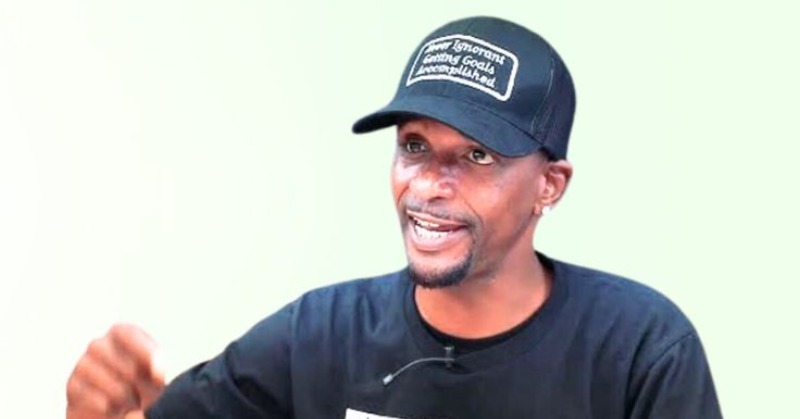
A wave of misinformation swept across social media platforms Tuesday as unsubstantiated rumors claimed that controversial commentator Charleston White had been shot multiple times in Texas. The false claims quickly gained momentum, with some users going as far as announcing the 48-year-old’s death, triggering widespread concern and confusion among followers.
The unfounded rumors appear to have originated from a single social media account that alleged White was in “critical condition” after suffering three gunshot wounds somewhere in Texas. Within hours, the unverified information had spread across X (formerly Twitter) and Facebook, morphing into increasingly dramatic—and entirely fabricated—reports of his death.
The situation was ultimately clarified when rapper Nikeboy Zeke shared a message directly from White’s friend and manager, categorically denying the rumors. According to this statement, White hadn’t even been in Texas for nearly a week when the false claims surfaced. Instead, he was in Miami, a fact corroborated by White’s own social media activity.
Evidence further discrediting the shooting claims came from White himself, who had posted a video earlier that same day showing him in Miami, where he appeared to be enjoying time in a new condominium. His active online presence made it abundantly clear he was unharmed and had not been involved in any violent incident.
This case highlights the troubling speed at which misinformation can circulate in today’s digital landscape. What began as a single unverified post quickly evolved into a viral story, demonstrating how easily falsehoods can spread when they involve controversial public figures who already command significant attention.
The incident is far from unique in the broader context of celebrity misinformation. False reports about public figures being injured or killed circulate with alarming regularity on social media platforms, where verification processes often lag behind the speed of sharing. For the subjects of such rumors, like White, these fabrications can have tangible consequences, causing distress to family members and associates while potentially damaging business relationships and public reputation.
Charleston White has built his platform as a provocative social commentator known for his unfiltered perspectives on crime, politics, relationships, and hip-hop culture. Born on May 17, 1977, in Fort Worth, Texas, White has been transparent about his troubled past, which included gang involvement and time in juvenile detention following serious incidents during his youth.
In recent years, White has repositioned himself as a youth advocate, founding Helping Young People Excel (HYPE) Youth Outreach, an organization dedicated to steering at-risk youth away from violence and criminal activity. Through various media channels including podcasts, interviews, and social media platforms, White has cultivated a substantial audience drawn to his direct approach to difficult topics.
His controversial statements have made him a polarizing figure in online discourse, simultaneously attracting dedicated supporters and vocal critics. This notoriety likely contributed to how quickly the shooting rumors gained traction, as his name already generates significant engagement across social platforms.
The incident serves as a powerful reminder of the importance of information literacy in the digital age. Media consumers are increasingly encouraged to verify breaking news through multiple credible sources before accepting or sharing dramatic claims, particularly those involving violence or death.
As the dust settled on this particular episode of viral misinformation, the facts became clear: Charleston White was not shot in Texas, was never in critical condition, and remains very much alive. The entire episode stands as yet another cautionary tale about the dangers of unverified information in an era where social media can amplify falsehoods faster than they can be corrected.
Fact Checker
Verify the accuracy of this article using The Disinformation Commission analysis and real-time sources.

7 Comments
The ability of unfounded claims to gain traction online is really concerning. Good on the media outlet for taking the time to fact-check this story and provide the real details. Misinformation can be so damaging, especially around sensitive topics.
While concerning to see these types of false reports, it’s reassuring that White was able to quickly dispel the rumors himself. Hopefully this serves as a reminder to be cautious about unverified claims, especially on social media.
Well said. Verifying facts before spreading information, especially sensitive news, should be a top priority. Good to see the truth come to light in this situation.
Interesting that the false rumors originated from a single social media account. Seems like a classic case of misinformation spreading like wildfire online. Good on the rapper for setting the record straight directly from White’s team.
Agree, it’s crucial to verify information from credible sources before believing or sharing it, especially regarding someone’s health or safety. Glad the truth came out quickly in this case.
Glad to see this story being fact-checked. Social media is rife with unverified claims these days. It’s important to verify information before spreading it, especially when it involves someone’s wellbeing.
It’s unfortunate that misinformation can spread so rapidly on social media these days. Glad the YouTuber was able to clarify the situation and shut down the false reports. Important to rely on credible sources, not unsubstantiated rumors.