


Listen to the article
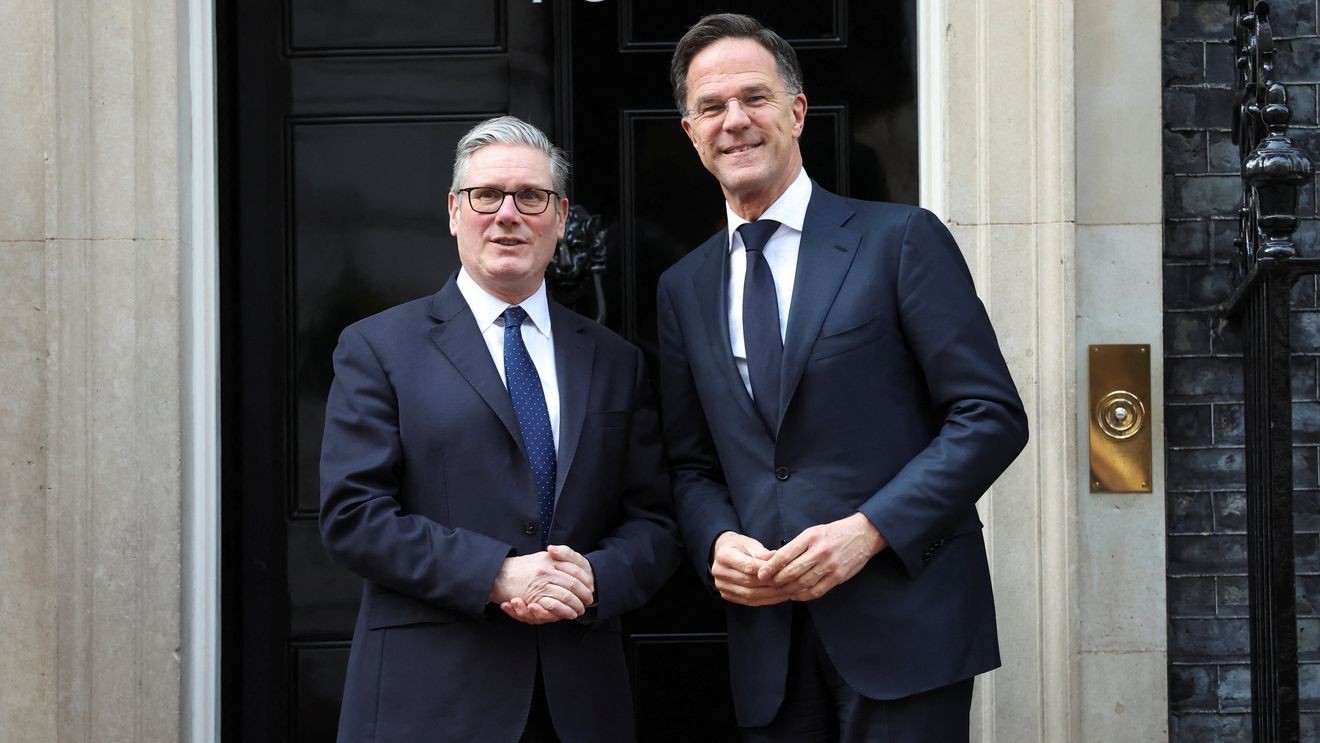
In a high-profile diplomatic engagement, the White House is preparing to host NATO Secretary General Mark Rutte amid growing scrutiny of the alliance’s strategic role in global affairs. The upcoming meeting occurs against a backdrop of debates over American leadership within NATO and European hesitance to participate in U.S.-led operations related to the Iran conflict.
NATO, established in 1949 as a bulwark against Soviet aggression following World War II, has evolved significantly since its inception. Recent discussions about the U.S. commitment to the alliance have prompted clarification about the American withdrawal process. Contrary to some speculation, a U.S. president cannot unilaterally withdraw from NATO. Legislation passed in 2023 requires either a two-thirds Senate majority or full congressional approval before any American withdrawal could proceed.
Funding remains a frequent point of contention in NATO discussions. The United States contributes approximately 15.8% to NATO’s annual common budget of $3.5 billion, which covers operational costs, staff, and shared infrastructure. This represents roughly one-sixth of the common budget, significantly less than the two-thirds figure sometimes circulated in public discourse.
The more substantial financial commitment comes through the “2% rule,” which refers to each member nation’s defense spending as a percentage of GDP rather than direct payments to NATO. The U.S. military budget of approximately $850 billion constitutes about 60% of NATO’s total defense spending capacity, a proportion largely attributable to America’s outsized military compared to other member states.
Recent tensions have emerged between the U.S. and European allies over military operations related to the Iran conflict. Several European NATO members have imposed restrictions on their cooperation, creating operational challenges for American forces.
France has implemented a case-by-case approach to U.S. overflight requests for military supplies destined for Israel, denying some applications. Italy has prevented certain American aircraft from landing at the strategic Sigonella Air Base in Sicily, citing domestic legal constraints. Spain has imposed similar restrictions on airspace access and base utilization for Iran-related operations.
Non-NATO members Austria and Switzerland have also rejected military overflight requests, pointing to their longstanding neutrality policies. These restrictions have complicated U.S. logistical operations in the Middle East, particularly at crucial Mediterranean bases.
While these actions have strained transatlantic relations and drawn criticism from Washington, they don’t represent a fundamental breakdown of the NATO alliance. Rather, they highlight divergent perspectives on the appropriate level of involvement in U.S. military initiatives outside NATO’s formal scope.
Central to understanding the current situation is NATO’s Article 5, which establishes the principle of collective defense. The article stipulates that an armed attack against one member is considered an attack against all, obligating the alliance to respond collectively. Since NATO’s founding, this provision has been invoked only once—following the September 11, 2001 terrorist attacks on the United States.
A critical distinction exists regarding Article 5’s applicability to the current Iran situation. The provision requires NATO members to assist an ally under attack but does not automatically extend to offensive operations initiated by a member state. Since U.S. actions against Iran were not in response to an attack on American soil, Article 5 obligations are not triggered for other NATO members.
The upcoming White House meeting with Secretary General Rutte will likely address these complex dynamics. Both sides must navigate the tension between America’s expectations for solidarity and European nations’ domestic policies and strategic priorities. The outcome could significantly influence NATO’s cohesion at a time when the alliance faces multiple geopolitical challenges across different theaters.
As global security concerns continue to evolve, NATO’s ability to maintain unity while respecting member nations’ sovereign interests will remain crucial to its effectiveness and relevance on the world stage.
Fact Checker
Verify the accuracy of this article using The Disinformation Commission analysis and real-time sources.

9 Comments
The White House meeting with NATO leadership is a significant diplomatic engagement. I’m curious to see how they address the alliance’s strategic direction and the concerns around American leadership.
With the ongoing tensions around Iran, it will be important for NATO leaders to find a unified approach that balances European hesitance and American interests. Effective diplomacy will be key.
While the US can’t unilaterally withdraw from NATO, the discussions around that possibility highlight the need for a clear strategic vision for the alliance. Strengthening transatlantic cooperation should be a priority.
The evolving role of NATO since the Cold War is an interesting topic. I’m curious to see how the alliance adapts to address modern global security challenges, especially in the context of the Iran conflict.
The funding dynamics within NATO are always a point of debate. It will be important to find an equitable solution that ensures the alliance can effectively address shared security concerns.
Yes, the budgetary allocation has been a consistent point of contention. Achieving fair burden-sharing will be critical for NATO’s future direction.
As a major contributor to NATO’s common budget, the US will likely push for greater burden-sharing and accountability within the alliance. Navigating these discussions will require nuance and compromise.
Interesting to see the White House meeting with NATO leaders amidst the Iran tensions. It will be important to understand how the alliance can navigate these complex geopolitical challenges.
I agree, the US commitment to NATO and the alliance’s strategic role will be a key focus. Maintaining a united front will be crucial.