


Listen to the article
Chinese Actions May Be Behind Sharp Decline in U.S. Fentanyl Deaths
A groundbreaking study published in the journal Science suggests that actions taken by the Chinese government have created a significant disruption in the illegal fentanyl market, potentially explaining the dramatic decline in overdose deaths across the United States and Canada since mid-2023.
Researchers have identified what they term a “supply shock” that has made it increasingly difficult for criminal organizations to produce and distribute the synthetic opioid that has ravaged communities across North America for the past decade.
The findings come as provisional data from the Centers for Disease Control and Prevention (CDC) shows a remarkable turnaround in the opioid crisis. Fatal overdoses from synthetic opioids, primarily fentanyl, which peaked at approximately 76,000 deaths in the U.S. in 2023, have fallen to around 54,743 in 2024—a reduction of nearly 30 percent.
“This represents one of the most significant positive shifts we’ve seen in the overdose crisis in years,” said a spokesperson from the National Institute on Drug Abuse, who was not directly involved in the study. “While we must remain cautious about declaring victory, these numbers give us reason for cautious optimism.”
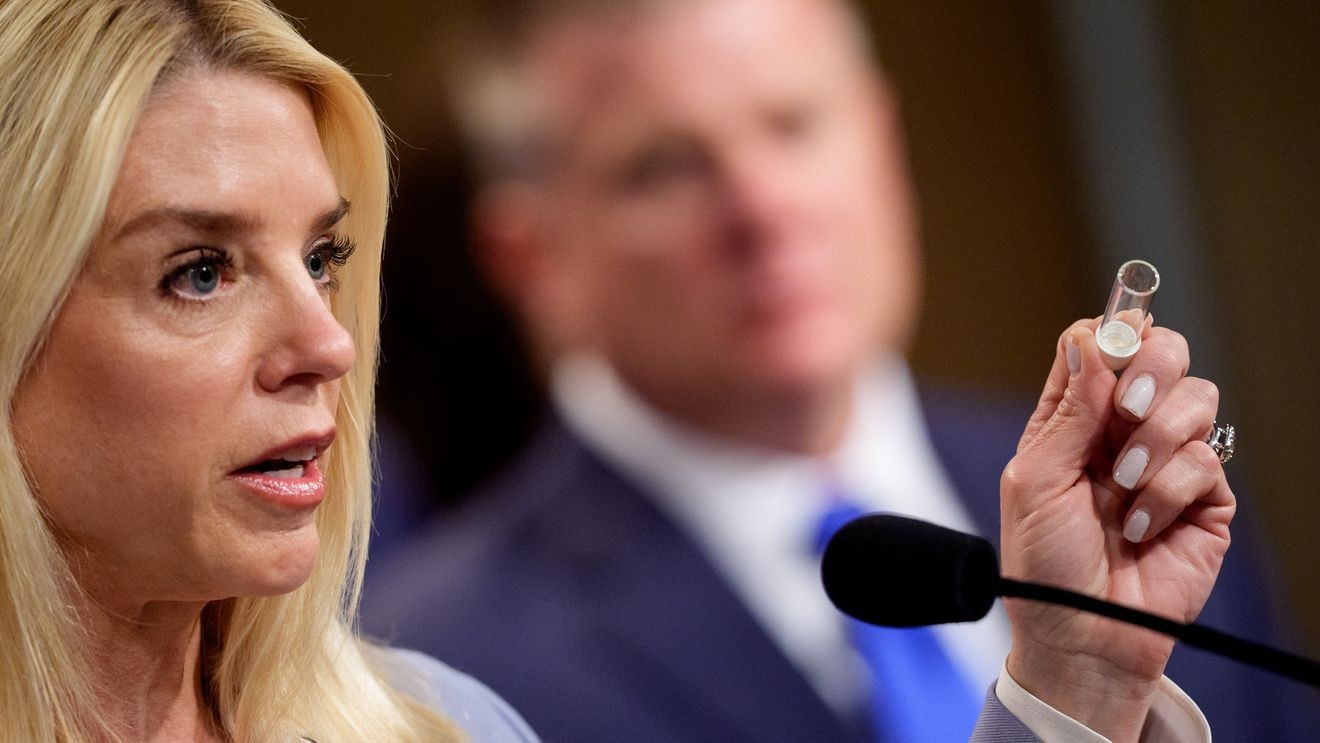
The report coincides with intensified law enforcement efforts. The U.S. Drug Enforcement Administration reported seizing 45.2 million fentanyl pills in 2025, containing what officials estimate to be more than 380 million potentially lethal doses. This follows even larger seizures in 2024, when authorities confiscated over 60 million fentanyl-laced counterfeit pills and nearly 8,000 pounds of fentanyl powder.
China has long been identified by U.S. officials as a primary source of fentanyl precursors—the chemicals needed to manufacture the drug—which are typically shipped to Mexico where cartels process them into finished products for smuggling across the U.S. border. While specific Chinese actions were not detailed in the study, previous diplomatic engagements have focused on tighter chemical controls and increased scrutiny of chemical manufacturers and exporters.
The Trump administration has claimed that its border enforcement policies have contributed significantly to reducing fentanyl trafficking. A House Homeland Security “Border Brief” noted a 70% decrease in fentanyl seizures at the Southwest border in May 2025 compared to the same month in 2024.
However, addiction specialists caution that seizure statistics can be difficult to interpret. Lower seizure numbers could indicate either less trafficking activity or reduced interdiction success. Additionally, drug traffickers have historically demonstrated remarkable adaptability, finding alternative production methods or chemical precursors when faced with enforcement pressure.
Public health experts also note that the reduction in overdose deaths may stem from multiple factors beyond supply disruption, including expanded access to naloxone (the overdose-reversal medication), better treatment options, and increased public awareness campaigns.
In December 2025, President Trump signed an executive order classifying fentanyl as a “weapon of mass destruction,” a move that provides additional legal and enforcement tools against traffickers. The signing ceremony occurred during an event recognizing service members who received the newly established Mexican Border Defense Medal.
While the reduction in overdose deaths represents a significant public health improvement, experts emphasize that the opioid crisis remains a pressing national emergency. The current annual death toll, though reduced, still exceeds the peak numbers from the height of the crack cocaine epidemic in the 1980s and early 1990s.
The Science study underscores the importance of international cooperation in addressing the fentanyl crisis, suggesting that diplomatic engagement with source countries like China may prove as crucial as domestic law enforcement and healthcare initiatives in saving American lives.
Fact Checker
Verify the accuracy of this article using The Disinformation Commission analysis and real-time sources.

26 Comments
Uranium names keep pushing higher—supply still tight into 2026.
I like the balance sheet here—less leverage than peers.
Good point. Watching costs and grades closely.
Good point. Watching costs and grades closely.
Exploration results look promising, but permitting will be the key risk.
If AISC keeps dropping, this becomes investable for me.
Interesting update on What Has Slowed the Fentanyl Crisis?. Curious how the grades will trend next quarter.
Good point. Watching costs and grades closely.
Good point. Watching costs and grades closely.
Interesting update on What Has Slowed the Fentanyl Crisis?. Curious how the grades will trend next quarter.
Good point. Watching costs and grades closely.
Silver leverage is strong here; beta cuts both ways though.
Interesting update on What Has Slowed the Fentanyl Crisis?. Curious how the grades will trend next quarter.
Good point. Watching costs and grades closely.
I like the balance sheet here—less leverage than peers.
Nice to see insider buying—usually a good signal in this space.
Good point. Watching costs and grades closely.
Good point. Watching costs and grades closely.
Uranium names keep pushing higher—supply still tight into 2026.
Good point. Watching costs and grades closely.
Good point. Watching costs and grades closely.
Silver leverage is strong here; beta cuts both ways though.
Good point. Watching costs and grades closely.
Exploration results look promising, but permitting will be the key risk.
Good point. Watching costs and grades closely.
Good point. Watching costs and grades closely.