


Listen to the article
In a significant development for public health officials, researchers have identified what appears to be a major disruption in the illegal fentanyl market that may explain the recent decline in opioid-related deaths across North America. According to a new study published in the journal Science, this “supply shock” coincides with a marked decrease in overdose fatalities in the United States and Canada beginning in mid-2023 and continuing through 2024.
The research suggests that actions taken by the Chinese government may have played a crucial role in interrupting the flow of illegal fentanyl and its precursor chemicals, making it considerably more difficult for criminal organizations to produce and distribute the synthetic opioid that has ravaged communities across North America.
The impact of this market disruption appears substantial when examining mortality statistics. In 2023, fatal overdoses from synthetic opioids—primarily fentanyl—reached a peak of approximately 76,000 deaths in the United States. However, provisional data from the Centers for Disease Control and Prevention reveals a dramatic reversal of this trend, with opioid-related overdose deaths falling to about 54,743 in 2024, representing a decrease of nearly 30 percent.
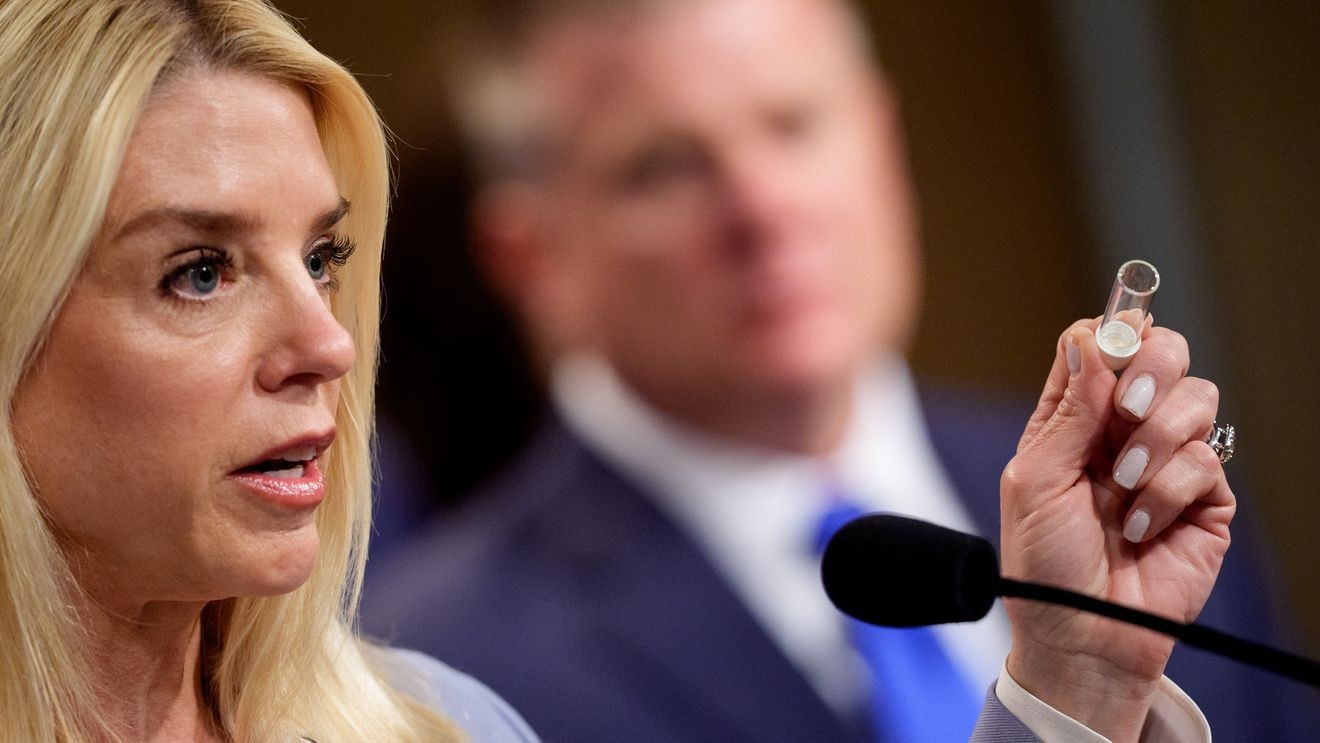
Law enforcement efforts to intercept fentanyl have remained aggressive throughout this period. The U.S. Drug Enforcement Administration reported seizing 45.2 million fentanyl pills in 2025, which authorities estimate is equivalent to more than 380 million potentially lethal doses. This follows an even larger seizure operation in 2024, when the agency confiscated over 60 million fentanyl-laced counterfeit pills and nearly 8,000 pounds of fentanyl powder.
The Trump administration has pointed to its border enforcement policies as a contributing factor to the reduction in fentanyl trafficking. A recent House Homeland Security “Border Brief” highlighted a 70 percent decrease in fentanyl seizures at the Southwest border in May 2025 compared to the same month in 2024. While the administration has interpreted this as evidence of successful interdiction efforts, experts note that decreased seizures could also reflect a genuine reduction in smuggling attempts or changes in trafficking patterns.
In a symbolic move underscoring the gravity of the fentanyl crisis, President Trump recently signed an executive order classifying fentanyl as a “weapon of mass destruction,” elevating the legal status of the synthetic opioid to reflect what many officials consider its catastrophic impact on American communities. The signing took place during a White House ceremony recognizing service members supporting Customs and Border Protection operations along the U.S.-Mexico border.
Public health experts caution that while the downward trend in overdose deaths is encouraging, measuring the full impact on the total fentanyl supply remains challenging in real time. The complex nature of illegal drug markets means that supply disruptions may lead to adaptations by trafficking organizations, potentially including the development of alternative synthetic opioids or new smuggling routes.
The apparent supply shock also raises questions about the sustainability of these reductions in overdose deaths. Previous disruptions in illicit drug markets have sometimes led to temporary decreases followed by rebounds as trafficking networks adjust their operations. Nevertheless, the steady decline in opioid overdose deaths over the past couple of years represents a notable shift in what has been one of the most persistent public health crises in recent American history.
Drug policy analysts have noted that while supply-side interventions can create significant short-term impacts, addressing the underlying demand for opioids through expanded treatment access and harm reduction strategies remains essential for long-term progress in combating the opioid epidemic.
As federal agencies continue to monitor these trends, the apparent disruption in the fentanyl supply chain offers a rare moment of optimism in a crisis that has claimed hundreds of thousands of American lives over the past decade.
Fact Checker
Verify the accuracy of this article using The Disinformation Commission analysis and real-time sources.

13 Comments
Reducing overdose deaths by over 29% is a significant achievement, but the work is far from over. Sustained efforts to address the multifaceted nature of the opioid crisis will be crucial to saving more lives.
Agreed. While this progress is encouraging, we must remain vigilant and continue to implement a comprehensive, evidence-based approach to tackling the opioid epidemic.
This is an interesting development in the fight against the opioid crisis. Disrupting the fentanyl supply chain could have a significant impact in reducing overdose deaths. It’s important to understand the full scope of the factors behind this trend.
Agreed. Cutting off the flow of illegal fentanyl is a crucial step, but addressing the broader societal issues that contribute to addiction will also be key to truly overcoming this crisis.
The potential role of the Chinese government in disrupting the fentanyl supply chain is an important development that deserves further investigation. Understanding the specific measures taken could provide valuable insights for other countries.
A 29% decline in opioid-related overdose deaths is a significant turnaround. While cautiously optimistic, we must remain vigilant as criminal organizations may adapt their tactics to continue the flow of fentanyl.
That’s a good point. Maintaining pressure and staying ahead of evolving drug trafficking methods will be crucial to ensure the decline in overdoses continues.
It’s encouraging to see progress in the fight against the fentanyl crisis, but we must remain vigilant. Continued monitoring and adaptation of strategies will be crucial to ensure these gains are maintained.
Reducing the availability of illicit fentanyl is an important step, but addressing the root causes of addiction, such as mental health issues and socioeconomic factors, will be essential for a comprehensive solution.
Absolutely. A holistic approach targeting both supply and demand is necessary to truly overcome the opioid crisis in a sustainable way.
The research highlighting a “supply shock” in the illegal fentanyl market is intriguing. I’m curious to learn more about the specific actions taken by the Chinese government that contributed to this disruption.
The role of the Chinese government in disrupting fentanyl production and distribution is noteworthy. Coordinated international efforts to target the source of these illicit drugs could be an effective approach.
Yes, international cooperation is essential to tackle the global nature of the fentanyl crisis. Sharing intelligence and best practices between countries will be critical to sustaining progress.