


Listen to the article
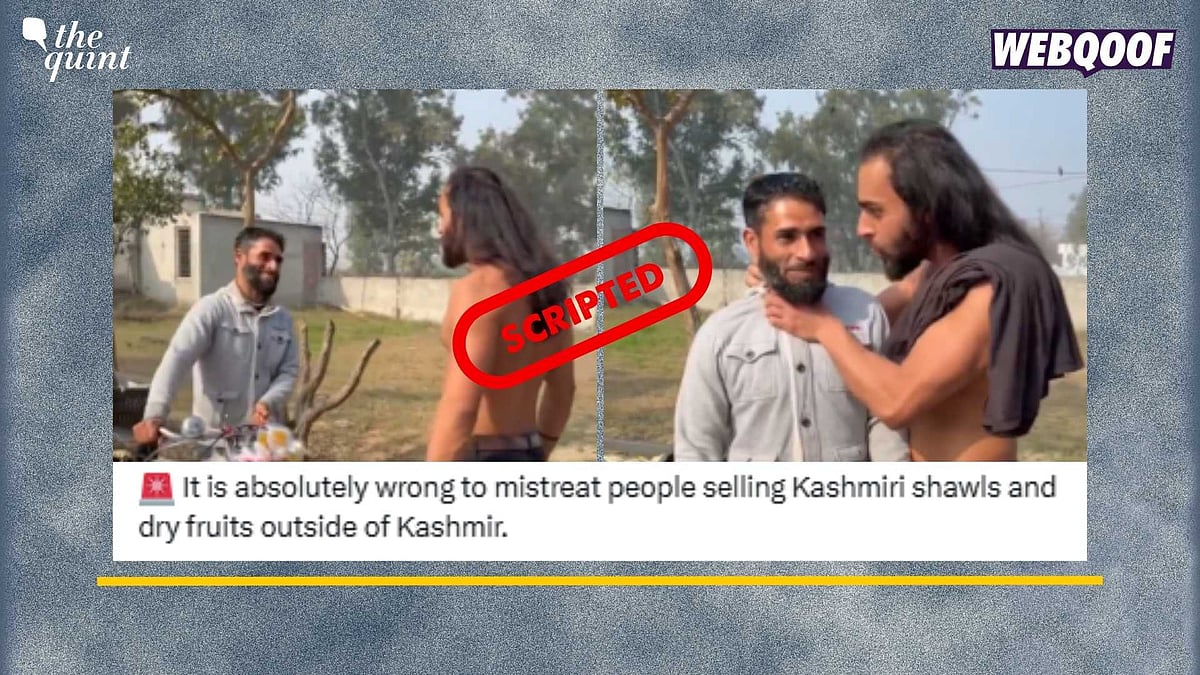
In a digital age where misinformation spreads rapidly, fact-checkers have debunked a viral video purportedly showing an attack on a Kashmiri vendor. The widely shared clip, which generated considerable outrage on social media platforms, has been revealed as a staged prank rather than an authentic incident of communal violence.
Investigators employed reverse image search technology to analyze the footage, breaking the viral clip into multiple screenshots and running them through Google’s image recognition tools. This methodical approach led researchers to the original source of the video: an Instagram account with the handle “badshah_khan_wrestler.”
The account had published the identical footage in January, significantly predating its viral circulation. Critical details in the original post immediately called the video’s authenticity into question. The Instagram caption explicitly described the content as “Kashmiri Bhai ko kiya Badshah Khan Ne torture OMG,” but more tellingly, included hashtags such as #funny and #prank, clearly indicating the staged nature of the interaction.
This finding highlights a growing trend of scripted content being decontextualized and shared as authentic footage, particularly when it appears to show ethnic or religious tensions. Kashmir, a region with a complex political history and occasional communal friction, often becomes the subject of such misinformation campaigns.
Social media platforms have struggled to contain the spread of misleading videos like this one. Instagram’s content moderation policies allow for clearly labeled pranks, but when such content migrates to other platforms without context, it can contribute to social division and reinforce harmful stereotypes.
Digital literacy experts point out that this case demonstrates the importance of source verification before sharing emotionally charged content. “Looking for original sources should be the first step before sharing potentially inflammatory videos,” said Rahul Sharma, a digital media researcher at the Center for Digital Ethics. “The hashtags alone in the original post made it clear this was entertainment, not news.”
The circulation of the falsely represented video comes at a time when relations between various communities in India remain sensitive. Videos purporting to show intercommunal violence have previously triggered real-world incidents, making accurate identification of staged content particularly important.
For social media users, this incident serves as a reminder of common verification techniques that can help identify misleading content. These include reverse image searches, examining original posting dates, checking captions and hashtags, and considering the reputation of source accounts before sharing content.
The individuals featured in the prank video have not publicly commented on the unintended viral spread of their content. Instagram’s parent company Meta has been implementing additional tools to help users identify manipulated media, though critics argue these measures aren’t keeping pace with the sophistication of misleading content.
This case also raises questions about the ethical responsibilities of content creators who produce staged scenarios that could be mistaken for real events, particularly when they touch on sensitive social dynamics.
The fact-checking process that revealed the true nature of this video represents an increasingly important function in modern media consumption. As visual content becomes easier to produce and harder to authenticate, the gap between casual social media browsing and informed digital citizenship continues to widen.
For now, the debunking of this particular video serves as another cautionary tale in the ongoing challenge of navigating an information landscape where entertainment and misinformation often blur together, requiring viewers to approach viral content with healthy skepticism and verification tools at the ready.
Fact Checker
Verify the accuracy of this article using The Disinformation Commission analysis and real-time sources.

16 Comments
Interesting to see how a simple prank video can quickly spiral into a false narrative of communal violence. Kudos to the fact-checkers for setting the record straight.
Absolutely, misinformation can spread like wildfire online. Good to see proactive efforts to combat these types of misleading viral clips.
Interesting how this video highlights the challenges of verifying online content. Kudos to the fact-checkers for their diligent investigation to uncover the truth behind this viral clip.
Agreed, it’s all too common for misinformation to spread rapidly on social media. Rigorous fact-checking is essential to maintain trust in the information we consume.
Good to see the disinformation commission taking a closer look at this viral video and exposing it as a staged prank, not an actual incident of harassment. Fact-checking is so vital these days.
Absolutely, the ability to quickly debunk misleading viral content is really important. Glad they were able to trace this one back to the original source.
This highlights how easily misinformation can spread online, even with seemingly convincing footage. Good to see the disinformation commission doing their due diligence to separate fact from fiction.
Agreed, it’s crucial for media outlets and the public to verify the authenticity of viral content before amplifying it. Fact-checking is so important these days.
Appreciate the diligence of the fact-checkers in tracing this viral video back to its original prank source. Important work to counter the spread of misinformation online.
Definitely, it’s crucial that media outlets and the public don’t just take viral content at face value. Kudos to the investigators for their methodical approach.
Reverse image search is a handy tool for exposing staged or decontextualized videos. Glad the investigators were able to trace this one back to its original prank source on Instagram.
Appreciate the transparency in walking through their investigative process. Shows the value of rigorous fact-checking, even for viral social media content.
Interesting to see fact-checkers get to the bottom of this viral video. Looks like it was just a staged prank, not an actual incident of harassment. Glad they were able to trace the original source and verify the true context.
Appreciate the detailed investigation to uncover the truth behind this video. Important to avoid jumping to conclusions when content goes viral online.
This really underscores the importance of critical thinking and verifying sources, even for content that seems authentic at first glance. Glad the disinformation commission got to the bottom of this.
Agreed, it’s far too easy for doctored or decontextualized videos to gain traction these days. Thorough fact-checking is essential to maintain trust in media.