


Listen to the article
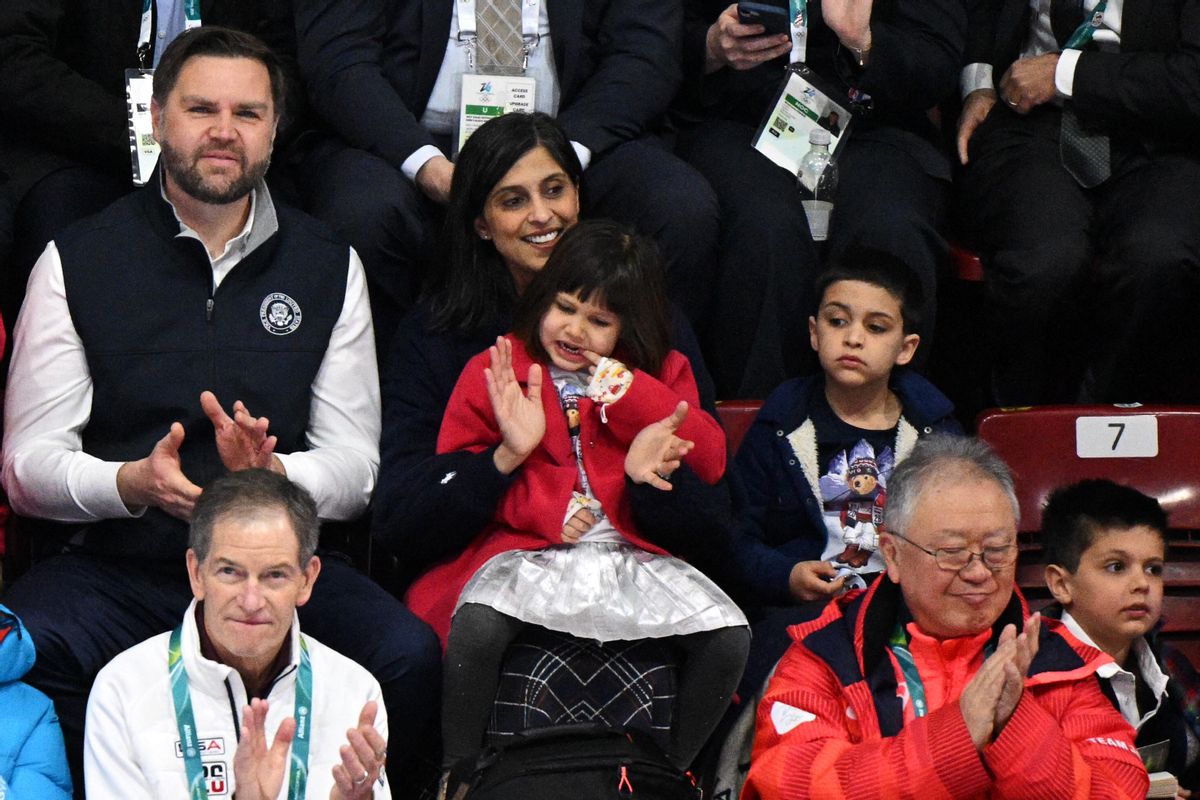
Vice President JD Vance faced a remarkable moment of international public rebuke at the Winter Olympic Opening Ceremony in Milan, as a chorus of boos erupted from the crowd upon his introduction. The incident, which occurred on February 6, 2026, has sparked discussions about America’s global standing and raised questions about domestic media coverage of the event.
Attendees at the ceremony made their displeasure known when Vance was officially announced, creating an awkward diplomatic moment at what is traditionally a celebration of international unity and athletic achievement. The negative reception contrasted sharply with Vance’s pre-ceremony remarks, where he had described the Olympics as “one of the few things” that still unite Americans.
American television networks notably handled the incident differently than their international counterparts. According to reporting by The Guardian, U.S. broadcasters appeared to minimize or entirely omit the booing from their coverage, while international viewers witnessed the full, unfiltered reaction. This discrepancy has prompted media critics to question whether American networks were attempting to shield domestic audiences from the unflattering reception of their vice president.
The Olympics incident comes during Vance’s visit to Armenia, marking a historic diplomatic first. No sitting U.S. president or vice president had previously visited the Caucasus nation, which has faced complex regional tensions with neighboring Azerbaijan. The visit highlights the administration’s efforts to expand diplomatic engagement in regions traditionally outside America’s core foreign policy focus.
Political analysts suggest the negative reception in Milan may be connected to recent controversial statements attributed to Vance regarding U.S.-Canada relations. In January, fact-checking organizations investigated claims about remarks where Vance allegedly discussed an “independent Canada” having its own currency, anthem, and flag. The timing of these controversies appears to have contributed to international perceptions of the vice president.
Olympic ceremonies have long served as barometers of international sentiment toward political figures. The Milan incident recalls similar moments in Olympic history when political leaders faced public reaction that diverged from carefully managed diplomatic narratives. Sports historians note that such moments often reveal tensions between the Olympics’ stated goal of political neutrality and the inevitable politics that accompany high-profile international gatherings.
The administration has not issued a formal statement addressing the booing incident, though sources close to the vice president have downplayed its significance. Olympic officials, maintaining their tradition of political neutrality, have refrained from commenting on the audience reaction.
Beyond the immediate diplomatic embarrassment, the incident raises broader questions about America’s current international standing. Foreign policy experts suggest that the public display of disapproval from a crowd at an event hosted by a traditional U.S. ally indicates potential challenges in the administration’s global engagement strategy.
Media ethicists have entered the conversation regarding the apparent discrepancy in coverage between U.S. and international broadcasts. The decision to minimize or exclude the booing from American coverage has sparked debate about journalistic responsibility and transparency in political reporting.
As Vance continues his diplomatic tour in Armenia, the Olympic incident serves as a reminder that even carefully choreographed international appearances can yield unexpected moments of public sentiment. The administration now faces the challenge of navigating the diplomatic fallout while maintaining focus on its international agenda.
The 2026 Winter Olympics continue in Milan, with American athletes competing across various disciplines, creating a complex backdrop of national pride and international politics that has characterized Olympic Games throughout modern history.
Fact Checker
Verify the accuracy of this article using The Disinformation Commission analysis and real-time sources.

11 Comments
This certainly seems like an awkward diplomatic moment for the US. The booing at the Olympics is a strong rebuke of the Vice President and raises concerns about America’s global reputation. I’m curious to learn more about the context and factors behind this incident.
Agreed. The media’s handling of the event also warrants further scrutiny. Shielding the domestic audience from the full reaction could be seen as an attempt to control the narrative.
This incident at the Olympics is a stark reminder of the need for transparent and unbiased reporting, both domestically and internationally. The contrast between the crowd’s reaction and the US media’s coverage raises serious questions about the public’s access to information and the integrity of the news landscape. It will be important to closely follow how this story develops.
Agreed. Maintaining an informed and engaged citizenry requires media outlets to uphold the principles of objective journalism, even when the news may be unflattering to those in power. The public deserves the full, unfiltered truth.
The negative reception towards VP Vance at the Olympics is quite surprising. I wonder if this is indicative of broader tensions or dissatisfaction with the US administration’s policies, both at home and abroad. It will be interesting to see how this incident is analyzed and discussed in the media going forward.
Interesting incident at the Winter Olympics. I wonder what led to such a negative reaction from the crowd toward Vice President Vance. Could it be related to his domestic policies or international standing? Curious to hear more about the media coverage discrepancy between US and international networks.
Yes, the contrast in media coverage is quite intriguing. Omitting or minimizing the booing from US broadcasts raises questions about transparency and the public’s right to information.
This incident highlights the potential disconnect between how the US is perceived internationally versus domestically. The booing at the Olympics suggests some global unease with the current US leadership, which the media coverage seems to have downplayed for domestic audiences. It raises questions about transparency and accountability.
Absolutely. The media’s handling of this event is concerning and deserves closer examination. Selective reporting can shape public opinion and undermine the public’s ability to form a well-rounded understanding of global affairs.
The booing of VP Vance at the Olympics is a compelling story that highlights the complexities of US foreign relations and the role of the media. While the crowd’s reaction suggests international unease with the US administration, the discrepancy in media coverage is equally concerning. This incident underscores the importance of transparency and the public’s right to access unbiased information.
The booing of VP Vance at the Olympics is a fascinating and complex issue. On one hand, it represents a stark rebuke of the US administration on the global stage. On the other, the discrepancy in media coverage between US and international outlets is troubling and warrants deeper investigation. There are clearly multiple layers to this story that deserve further exploration.