


Listen to the article
Middle East Tensions Disrupt Energy Markets, Threatening Higher Gas Prices
WASHINGTON — As U.S. and Israeli forces continue military operations across the Middle East with Iran retaliating, global energy markets have been thrown into uncertainty, creating ripple effects that could soon hit American consumers directly at gas pumps nationwide.
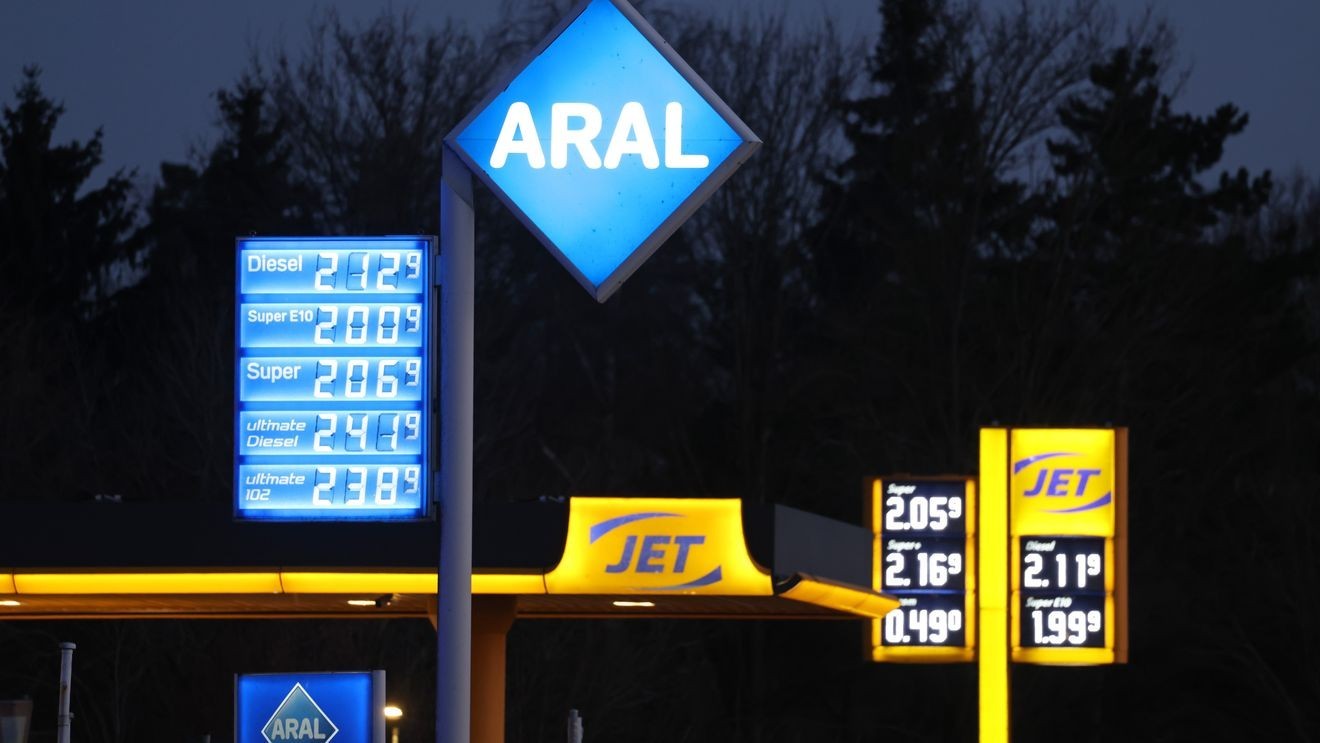
With average U.S. gas prices already hovering around $3.50 per gallon just two weeks into the escalating conflict, analysts warn this figure could climb significantly higher due to critical supply chain disruptions. The focal point of concern is the Strait of Hormuz, a strategic maritime chokepoint between Iran and Oman, through which approximately 20 million barrels of oil—roughly one-fifth of the world’s daily supply—typically flows.
The fundamental economic principle in play is straightforward: when supply becomes restricted while demand remains constant, prices inevitably rise. Energy market experts note that consumers can expect to see a predictable price increase at gas stations across the country.
“For every dollar increase in crude oil prices, we typically see gas prices jump by about 2.4 to 2.5 cents per gallon,” explained one industry analyst. “If oil prices surge by $10 per barrel, that translates to approximately 25 cents more per gallon at the pump.”
This relationship between crude oil prices and retail gasoline costs has been demonstrated repeatedly during previous geopolitical crises. The most recent example occurred in June 2022, when Russia’s invasion of Ukraine pushed crude oil to $114 per barrel, resulting in record-high U.S. gas prices averaging $5.01 per gallon, according to AAA data.
In response to the current market disruption, the United States has announced the release of 172 million barrels from its Strategic Petroleum Reserve (SPR). This action is part of a coordinated international effort involving 32 member countries of the International Energy Agency (IEA), including major economies such as Germany, France, the United Kingdom, and Japan, who together will release a total of 400 million barrels.
The U.S. Energy Department reports that the nation’s strategic reserve currently contains approximately 415 million barrels—less than 60 percent of its total capacity—raising questions about long-term energy security should the crisis extend for months.
“The oil market challenges we are facing are unprecedented in scale, therefore I am very glad that IEA Member countries have responded with an emergency collective action of unprecedented size,” said IEA Executive Director Fatih Birol in a statement released Wednesday. “Oil markets are global so the response to major disruptions needs to be global too. Energy security is the founding mandate of the IEA, and I am pleased that IEA Members are showing strong solidarity in taking decisive action together.”
The emergency release represents approximately 20 days of regional supply and will be distributed gradually over about 120 days. While this coordinated intervention aims to stabilize markets and potentially moderate price increases, energy analysts caution that it represents a temporary solution rather than a sustainable fix to the underlying geopolitical tensions.
Market observers emphasize that if the Strait of Hormuz remains compromised for an extended period, the strategic reserves may prove insufficient to prevent significant price escalations. The strait’s narrow passage serves as a crucial artery for global energy commerce, particularly for oil exports from Saudi Arabia, Iraq, Kuwait, and other major producers in the region.
For American consumers already facing economic pressures from inflation in other sectors, the prospect of substantially higher fuel costs adds another layer of financial concern. Rural communities and transportation-dependent industries could be disproportionately affected by sustained price increases.
Financial markets have already begun pricing in risk premiums, with futures contracts showing increased volatility as traders attempt to anticipate both the geopolitical developments and government interventions.
Experts advise consumers to prepare for price fluctuations in the coming weeks as markets respond to the complex interplay between ongoing military actions, diplomatic efforts, emergency oil releases, and potential supply chain adaptations.
Fact Checker
Verify the accuracy of this article using The Disinformation Commission analysis and real-time sources.

8 Comments
Releasing strategic reserves is a pragmatic step, but it’s concerning that global energy markets remain so vulnerable to political tensions in the Middle East. We need more resilience.
While necessary, tapping into strategic reserves is a short-term solution. Longer-term, we need to focus on diversifying energy supplies and reducing reliance on volatile regions.
That’s a good point. More investment in renewable energy and domestic production could help insulate against global geopolitical risks.
The Strait of Hormuz is a critical global energy chokepoint, so any disruptions there can have far-reaching economic impacts. This coordinated release aims to mitigate those risks.
I’m curious to see how effective this coordinated global effort will be in offsetting the price pressures caused by the Middle East conflicts. Hopefully it can provide some relief at the pump.
Releasing strategic oil reserves is a prudent move to stabilize markets during this geopolitical tension. It will help moderate fuel prices for consumers and businesses.
This move by the US and allies highlights the fragility of global energy markets. It will be interesting to see if it succeeds in stabilizing prices or if additional measures are needed.
Agreed. The ultimate test will be whether it translates to meaningful relief at the pump for consumers in the coming weeks.