


Listen to the article
Federal investigators have uncovered a second unauthorized biological laboratory in the Las Vegas area, potentially linked to an earlier discovery in California, prompting renewed concerns about biosecurity oversight across the country.
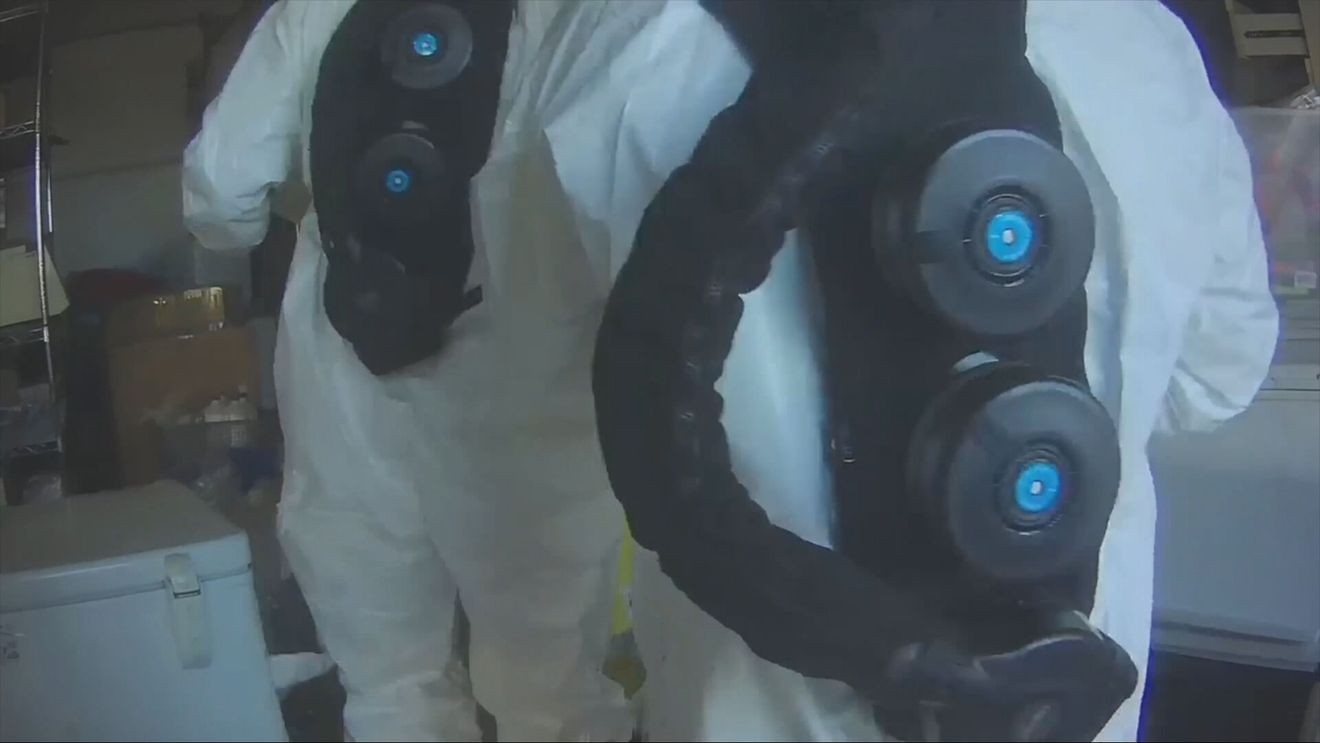
The FBI executed a search warrant at a Las Vegas-area vacation rental in early February 2026, with investigators suggesting connections to a previously discovered unauthorized lab in Reedley, California. House Intelligence Chairman Rick Crawford has voiced serious concerns about both facilities, highlighting potential gaps in America’s biological security framework.
“These cases raise fundamental questions about our biosecurity infrastructure and oversight mechanisms,” Crawford said in a statement following the Las Vegas discovery. “We need to understand how these operations evaded detection for so long and what materials they were working with.”
The Reedley facility, first discovered by local code enforcement officers in 2022, contained thousands of vials labeled with dangerous pathogens including HIV, tuberculosis, malaria, hepatitis, and Ebola. Investigators also found genetically modified mice commonly used in laboratory research. The facility’s proximity to residential homes, a high school, and the local water supply amplified safety concerns among officials.
Federal authorities have linked both laboratories to Jiabei Zhu, also known as David He, who is currently in federal custody in connection with the Reedley case. According to Department of Justice documents, Zhu was indicted for allegedly distributing unapproved and misbranded COVID-19 test kits between August 2020 and March 2023, generating more than $1.7 million in revenue. Prosecutors allege these products were falsely marketed as authorized and manufactured in the United States.
The discovery of a second facility operating out of what appears to be an Airbnb rental property has intensified lawmakers’ concerns about potential national security implications.
“The idea that someone could establish makeshift biological laboratories in residential settings without detection points to significant vulnerabilities in our oversight systems,” said Dr. Eleanor Matthews, a biosecurity expert at Georgetown University. “While we don’t yet know the full scope of activities at these facilities, the pattern suggests deliberate evasion of regulatory frameworks.”
The term “secret biolab” typically refers to unregistered or unauthorized facilities handling biological materials without proper licensing or government oversight. Previous investigations into U.S. high-containment laboratories have revealed that oversight systems can be fragmented across multiple agencies, with safety records not always fully accessible to the public.
The Government Accountability Office has previously warned about gaps in the monitoring of biological research facilities across the United States. A 2018 GAO report highlighted inconsistent reporting requirements and coordination challenges between federal, state and local authorities that could potentially allow unauthorized operations to go undetected.
While federal officials emphasize there is currently no confirmed public health threat associated with either laboratory, the investigation continues to raise questions about how these facilities operated for extended periods without detection.
The case has drawn attention to the broader challenges of monitoring biological research in an era when sophisticated equipment has become increasingly accessible and portable. Modern biotechnology tools that once required extensive laboratory infrastructure can now sometimes be operated in smaller, less conspicuous settings.
“The democratization of biotechnology has tremendous benefits for research and innovation,” said Dr. James Carson, former adviser to the Department of Homeland Security on biosecurity matters. “But these cases highlight the darker side of that evolution—the potential for individuals to conduct unregulated biological work outside established safety frameworks.”
Federal investigators continue to analyze materials recovered from both locations as part of an ongoing multi-agency investigation involving the FBI, CDC, and Department of Homeland Security. Officials have indicated that additional charges against Zhu and potential accomplices may be forthcoming as the investigation progresses.
Fact Checker
Verify the accuracy of this article using The Disinformation Commission analysis and real-time sources.

13 Comments
Unregulated biotech facilities handling hazardous materials like HIV and Ebola? That’s a major biosecurity threat that demands urgent action. The government needs to investigate this thoroughly and implement robust oversight to prevent these kinds of dangerous breaches.
I agree completely. Lax biosecurity protocols and lack of oversight create huge risks for public safety. Decisive action is needed to address these vulnerabilities and ensure proper safeguards are in place to protect against the misuse of dangerous pathogens.
This is deeply concerning. Unregulated biotech facilities working with dangerous pathogens are a major threat to public health and safety. The government needs to take immediate action to shut these down and strengthen biosecurity oversight.
Wow, this is really troubling. Uncontrolled labs handling deadly pathogens like Ebola? That’s a recipe for disaster. The authorities need to investigate this thoroughly and put proper safeguards in place to prevent these kinds of biosecurity breaches.
I agree, this is a major red flag. Lax oversight of these kinds of facilities opens the door to all sorts of potential misuse and catastrophic accidents. Rigorous regulations and enforcement are essential to protect public health and safety.
Genetically modified pathogens in unregulated labs? That’s a recipe for disaster. The government needs to get a handle on this situation before it spirals out of control. Public safety has to be the top priority here.
Absolutely. The potential for these kinds of facilities to be misused for nefarious purposes is extremely alarming. Rigorous inspections and tighter regulations are clearly needed to prevent these kinds of biosecurity breaches.
This is deeply concerning. Unauthorized biotech labs operating outside of proper regulatory oversight pose serious risks to public health and safety. We need robust biosecurity protocols and consistent enforcement to prevent these kinds of dangerous activities.
Agreed. The lack of transparency around the materials and research being conducted at these facilities is extremely worrying. Proper oversight and accountability are critical to ensure these kinds of facilities don’t become breeding grounds for biosecurity threats.
Unauthorized labs working with deadly pathogens like HIV and Ebola? That’s incredibly alarming. The government needs to take swift action to shut these down and bolster biosecurity measures nationwide to prevent these kinds of biosecurity breaches.
Wow, this is really alarming. Unsecured labs working with deadly pathogens like Ebola? That’s a disaster waiting to happen. The government needs to take this threat seriously and shut these facilities down immediately to protect public health and safety.
This is extremely concerning. Unregulated biotech facilities handling hazardous materials like genetically modified pathogens pose a grave threat to public safety. Robust biosecurity protocols and consistent oversight are urgently needed to address this issue.
I couldn’t agree more. The potential for these kinds of facilities to be misused for malicious purposes is terrifying. Immediate action is required to close these down and put proper safeguards in place to prevent similar breaches in the future.