


Listen to the article
In a significant disclosure highlighting the complex dynamics of humanitarian aid in Afghanistan, a recent government report has revealed that the United Nations has delivered more than $2.9 billion in cash to the country since the Taliban returned to power in 2021.
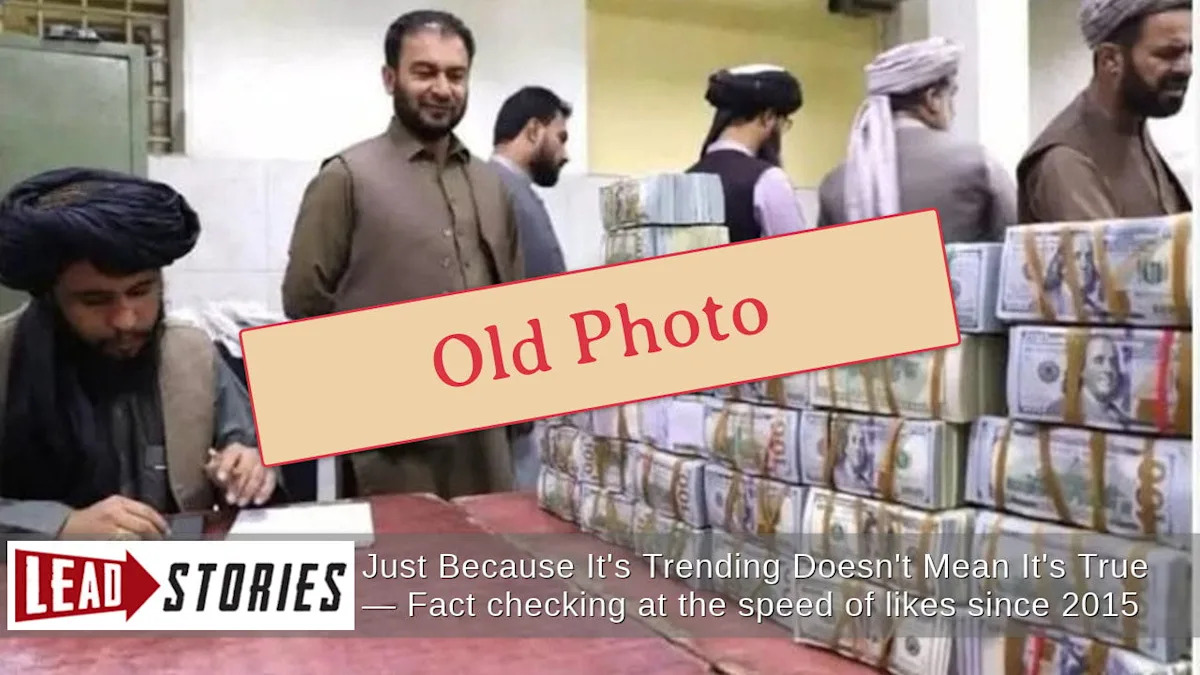
This flow of financial assistance has come under scrutiny following findings that some of these funds, including contributions from the United States, have ultimately ended up under Taliban control. The revelations contradict misleading claims circulating on social media that suggested the U.S. directly provided $45 million in “freshly printed cash” to the Taliban on a chartered flight in December 2025.
The Special Inspector General for Afghanistan Reconstruction (SIGAR) report, which offers the first comprehensive analysis of these cash transfers, explains that the UN deposits the funds into private Afghan banks before distributing them to UN agencies and nonprofit humanitarian organizations working in the country. However, the investigation found that portions of this money eventually reach Afghanistan’s central bank, which has been under Taliban control since the group seized power following the U.S. withdrawal in August 2021.
“The money does not stop there,” notes the SIGAR report, which stopped short of specifying exactly how much U.S. funding has been channeled to the central bank under Taliban authority. This revelation adds to mounting concerns about whether international aid is reaching its intended recipients—vulnerable Afghan civilians—or inadvertently strengthening the Taliban regime.
The misleading social media posts used an image that can be traced back to a February 2023 article by KabulNow.com, which reported that cash shipments to Afghanistan had reached nearly $2 billion since the Taliban takeover. The article described a $40 million shipment arriving in Kabul that day, bringing the total at that time to $1.993 billion. According to the report, these funds were deposited in a commercial bank in Kabul, with Da Afghanistan Bank—the Taliban-controlled central bank—confirming receipt of the deposit.
By March 2024, ProPublica reported that the total UN cash deliveries had increased to more than $2.9 billion, highlighting the continued flow of humanitarian assistance into the country despite governance concerns.
The situation underscores the complicated balancing act faced by international organizations seeking to provide humanitarian relief to Afghanistan’s population of approximately 40 million people, many of whom face severe economic hardship, while avoiding direct financial support to the Taliban regime, which is subject to international sanctions.
Since regaining control of Afghanistan, the Taliban has implemented harsh restrictions on women’s rights, education, and civil liberties that contradict international human rights standards. These actions have created a dilemma for donor nations and organizations: how to support the Afghan people without legitimizing or financially benefiting the Taliban government.
The SIGAR report raises important questions about the accountability and transparency of international aid in conflict zones and areas under sanctioned regimes. It suggests that even carefully structured humanitarian assistance programs can inadvertently provide resources to entities that donor nations explicitly seek to isolate.
International aid experts note that Afghanistan presents an especially challenging case given its economic isolation, the collapse of its banking system following the Taliban takeover, and the acute humanitarian needs of its population. The UN has defended its cash transfer program as necessary to sustain life-saving humanitarian operations in a country where formal banking channels are severely limited.
As discussions about Afghanistan’s future continue among international stakeholders, this report highlights the need for enhanced oversight mechanisms and potentially new approaches to providing humanitarian assistance in complex political environments without indirectly financing groups opposed to donors’ foreign policy objectives.
Fact Checker
Verify the accuracy of this article using The Disinformation Commission analysis and real-time sources.

29 Comments
The cost guidance is better than expected. If they deliver, the stock could rerate.
Good point. Watching costs and grades closely.
Exploration results look promising, but permitting will be the key risk.
Good point. Watching costs and grades closely.
Good point. Watching costs and grades closely.
I like the balance sheet here—less leverage than peers.
Good point. Watching costs and grades closely.
Nice to see insider buying—usually a good signal in this space.
Good point. Watching costs and grades closely.
Nice to see insider buying—usually a good signal in this space.
Good point. Watching costs and grades closely.
Good point. Watching costs and grades closely.
If AISC keeps dropping, this becomes investable for me.
Good point. Watching costs and grades closely.
The cost guidance is better than expected. If they deliver, the stock could rerate.
Good point. Watching costs and grades closely.
Good point. Watching costs and grades closely.
Exploration results look promising, but permitting will be the key risk.
Nice to see insider buying—usually a good signal in this space.
Good point. Watching costs and grades closely.
Production mix shifting toward Fact Check might help margins if metals stay firm.
Good point. Watching costs and grades closely.
Good point. Watching costs and grades closely.
Silver leverage is strong here; beta cuts both ways though.
Good point. Watching costs and grades closely.
Good point. Watching costs and grades closely.
The cost guidance is better than expected. If they deliver, the stock could rerate.
Production mix shifting toward Fact Check might help margins if metals stay firm.
Good point. Watching costs and grades closely.