


Listen to the article
TSA to Levy $45 Fee for Travelers Without Proper Identification
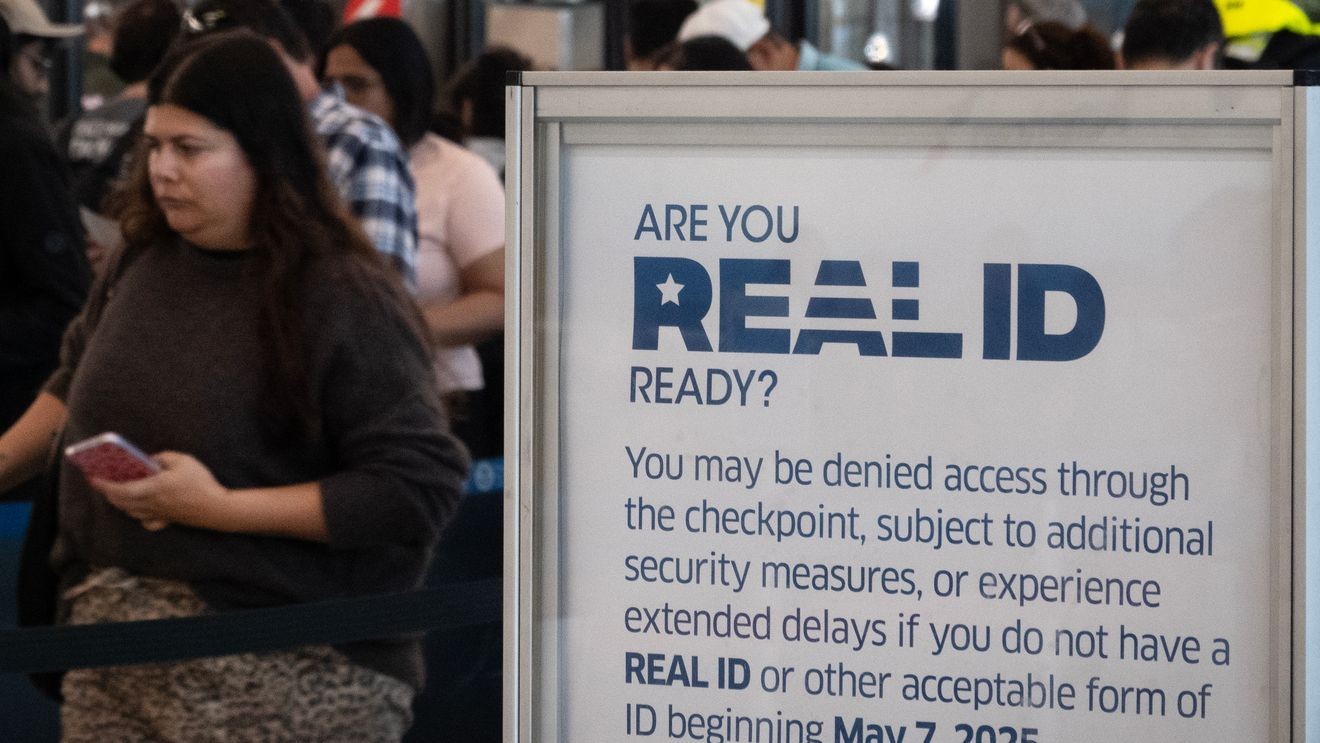
The Transportation Security Administration is implementing stricter identification policies that will directly impact unprepared travelers starting next month.
Beginning in February, passengers who arrive at airport security checkpoints without acceptable identification will face a $45 charge to use TSA’s backup identity verification system, known as Confirm.ID. This represents a significant increase from the initially projected fee of $18, which TSA adjusted upward after determining the actual operational costs of the system, according to NPR.
Rather than denying travelers access to flights, the agency will continue offering its secondary screening process—but now with the added fee. Acceptable forms of identification include Real ID-compliant driver’s licenses and U.S. passports.
The policy shift reflects the culminating phase of identification requirements that have been evolving for nearly two decades. Following the September 11 attacks, the 9/11 Commission recommended stronger federal identification standards, leading Congress to pass the REAL ID Act of 2005. This legislation authorized the Department of Homeland Security to establish secure, uniform standards for state-issued driver’s licenses and identification cards.
These identification standards now permeate virtually every aspect of American commerce and travel. Car rental companies universally require government-issued identification before releasing vehicles to customers, while hotels nationwide verify guest identities at check-in to prevent fraud and enhance security.
The financial sector maintains particularly stringent requirements. Under the USA PATRIOT Act, banks must implement Customer Identification Programs that verify customers’ identities before allowing them to open accounts or access financial services. This effectively makes proper identification a prerequisite for participating in the U.S. banking system.
As transactions become more consequential, identification requirements become more rigorous. Home buyers must present valid, government-issued identification before closing on mortgages to comply with anti-fraud regulations. Similarly, federal law mandates that licensed firearm dealers verify customers’ government-issued photo identification before initiating background checks through ATF Form 4473, according to the Bureau of Alcohol, Tobacco, Firearms and Explosives.
The Real ID deadline has created significant pressure on state identification systems. Images from Chicago earlier this year showed Illinois residents forming lines nearly two blocks long outside a Real ID processing center as people rushed to comply with the new standards before domestic flight requirements took effect.
Identification requirements remain particularly contentious in the electoral context. According to Ballotpedia, 36 states currently require voters to present identification at polling locations on Election Day. Of these, 24 states specifically mandate photo identification, while 12 accept non-photo forms of ID. These requirements have sparked ongoing debates about voter access and election security.
Aviation industry analysts suggest the TSA’s new fee structure could create additional friction at airport checkpoints, particularly during peak travel periods when lines already stretch to capacity. Travel advocacy groups have expressed concern that the fee may disproportionately impact infrequent travelers who are less familiar with identification requirements.
The $45 charge represents approximately 15-20% of the cost of a domestic flight on many routes, potentially creating a significant additional expense for unprepared travelers. TSA officials maintain that the fee is necessary to sustain the identity verification system and encourage travelers to arrive properly prepared.
As this policy takes effect, transportation experts recommend travelers double-check identification requirements before heading to airports and allow additional time for potential verification procedures if traveling with non-standard identification documents.
Fact Checker
Verify the accuracy of this article using The Disinformation Commission analysis and real-time sources.

27 Comments
The cost guidance is better than expected. If they deliver, the stock could rerate.
Good point. Watching costs and grades closely.
Exploration results look promising, but permitting will be the key risk.
Silver leverage is strong here; beta cuts both ways though.
Good point. Watching costs and grades closely.
Good point. Watching costs and grades closely.
Silver leverage is strong here; beta cuts both ways though.
Production mix shifting toward Fact Check might help margins if metals stay firm.
If AISC keeps dropping, this becomes investable for me.
Good point. Watching costs and grades closely.
I like the balance sheet here—less leverage than peers.
Good point. Watching costs and grades closely.
Interesting update on TSA Implements $45 Fee for Travelers Without Valid ID at Airport Checkpoints. Curious how the grades will trend next quarter.
Good point. Watching costs and grades closely.
Good point. Watching costs and grades closely.
Production mix shifting toward Fact Check might help margins if metals stay firm.
Good point. Watching costs and grades closely.
Good point. Watching costs and grades closely.
Silver leverage is strong here; beta cuts both ways though.
Good point. Watching costs and grades closely.
Good point. Watching costs and grades closely.
I like the balance sheet here—less leverage than peers.
Uranium names keep pushing higher—supply still tight into 2026.
Good point. Watching costs and grades closely.
Good point. Watching costs and grades closely.
If AISC keeps dropping, this becomes investable for me.
Nice to see insider buying—usually a good signal in this space.