


Listen to the article
In a move set to impact unprepared travelers, the Transportation Security Administration will soon implement financial penalties for passengers who arrive at security checkpoints without proper identification.
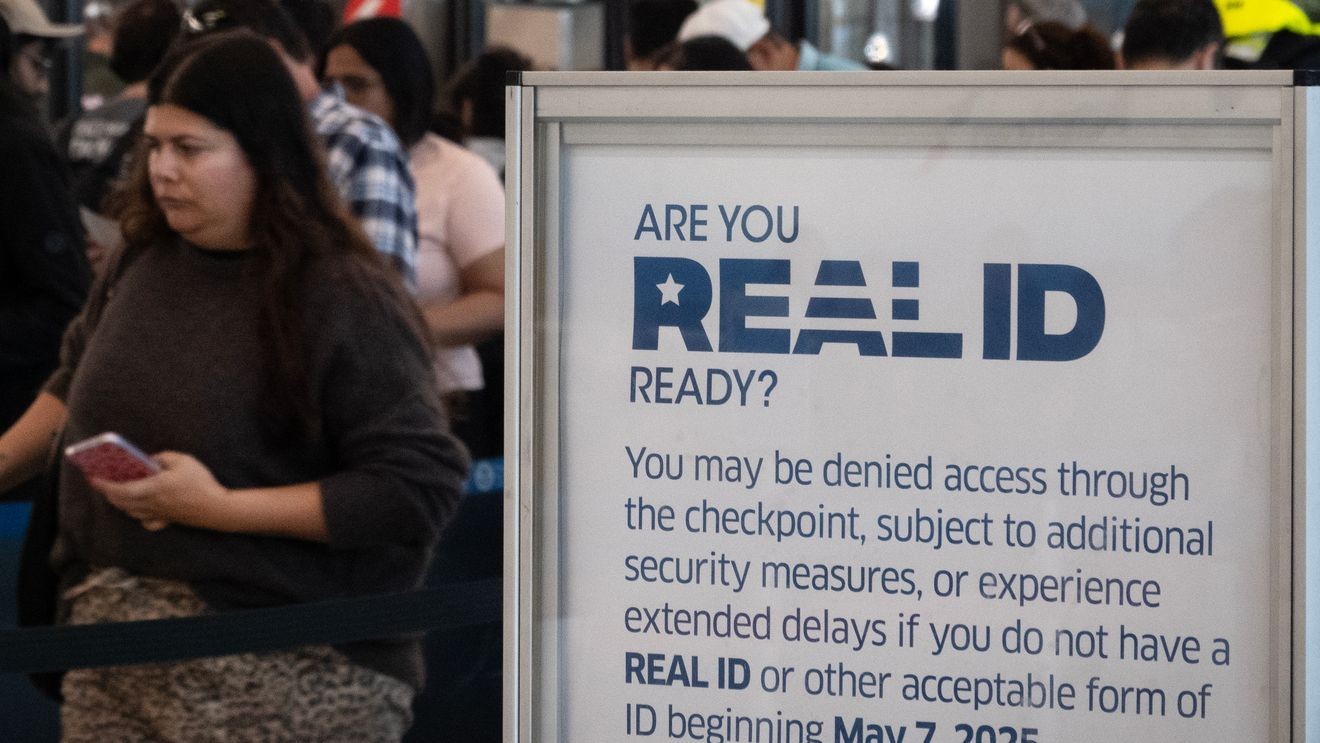
Beginning in February, travelers who show up without acceptable ID such as a REAL ID-compliant driver’s license or U.S. passport will face a $45 charge to use TSA’s backup identity verification system, Confirm.ID. Rather than denying these passengers access to their flights, TSA will offer this secondary screening option—but at a price significantly higher than initially anticipated.
The agency had originally projected an $18 fee for the service, but later announced that operational costs necessitated the higher $45 charge, according to NPR reporting.
This development represents the latest evolution in America’s increasingly stringent identification requirements, which have been expanding across various sectors since the early 2000s. The foundation for today’s ID landscape was established following the 9/11 Commission’s recommendations, which prompted Congress to pass the REAL ID Act in 2005. This legislation directed the Department of Homeland Security to establish secure, standardized protocols for issuing driver’s licenses and identification cards nationwide.
The ripple effects of these regulations now touch nearly every aspect of American life. When renting vehicles, consumers universally encounter requirements for government-issued identification. Similarly, hotels across the country verify guests’ identities at check-in, a practice that helps prevent fraud and ensures security.
Financial institutions operate under even stricter mandates. The USA PATRIOT Act imposed Customer Identification Program requirements that effectively bar individuals without proper identification from accessing the U.S. banking system legally. Banks must verify customers’ identities before opening accounts or providing services.
The identification requirements become particularly rigorous for high-value or regulated transactions. Homebuyers must present valid, government-issued identification before closing on mortgages to comply with anti-fraud regulations that protect both lenders and purchasers in real estate transactions.
Similarly stringent rules apply to firearms purchases. The Bureau of Alcohol, Tobacco, Firearms and Explosives (ATF) requires licensed dealers to verify buyers’ government-issued photo identification before proceeding with the mandatory background check process documented on ATF Form 4473.
Perhaps no area has generated more debate around identification requirements than voting rights. According to Ballotpedia data, 36 states currently require voters to show identification at polling places on Election Day. Of these, 24 states specifically mandate photo identification, while 12 accept certain non-photo forms of ID. These requirements remain among the most contentious aspects of election administration in the United States.
The TSA’s new fee structure reflects the culmination of nearly two decades of evolving identification standards since the REAL ID Act’s passage. For air travelers, this means an added financial incentive to ensure they have proper documentation before heading to the airport.
Aviation security experts note that while the $45 fee may seem steep to individual travelers, it represents only a fraction of the administrative costs associated with alternative verification methods that allow the agency to maintain both security and operational efficiency.
The new policy underscores a fundamental reality of contemporary American society: proper identification has become an essential component for accessing services across public and private sectors alike. From banking to travel, housing to healthcare, the ability to verify one’s identity through government-sanctioned documentation has evolved from convenience to necessity.
As TSA implements this new fee structure, travelers are advised to double-check their documentation before departing for airports and to familiarize themselves with the full range of acceptable identification options to avoid unnecessary expenses and potential delays.
Fact Checker
Verify the accuracy of this article using The Disinformation Commission analysis and real-time sources.

10 Comments
This new TSA fee is an interesting development in the evolving landscape of ID requirements for air travel. I’m curious to see if it leads to any legal challenges or policy changes down the line.
That’s a good observation. The implementation of this fee could face pushback, especially if it’s seen as overly burdensome for certain travelers. It will be worth monitoring how it plays out.
This new TSA fee for travelers without proper ID seems like a rather steep penalty. I wonder how it will impact lower-income flyers who may not have access to a REAL ID or passport. Hopefully there are some exceptions or assistance programs available.
You raise a good point. Proper identification can be a burden for some, and this fee could make air travel even more inaccessible. The TSA should consider more equitable solutions.
While the TSA’s goal of improving security is understandable, this $45 fee for travelers without proper ID seems quite steep. It could create additional barriers to air travel, which is concerning. I hope the agency considers more accessible options.
Absolutely. The fee amount is quite high and may disproportionately impact lower-income individuals. The TSA should carefully evaluate the equity implications of this new policy.
This new TSA fee for travelers without proper ID is an interesting development in the ongoing efforts to enhance security measures. However, the high cost could potentially exclude certain groups from air travel, which raises some concerns about accessibility and fairness.
You make a fair point. The TSA should ensure that this policy does not create undue hardship or discrimination, especially for vulnerable or marginalized travelers. Balancing security and equity is crucial.
The REAL ID requirements have been a gradual process, but this $45 fee takes it to a new level. While I understand the security rationale, it’s concerning that the cost could price out certain travelers. I hope the TSA closely monitors the impact.
Agreed. The fee seems high, especially for a secondary screening option. The TSA should aim to balance security with affordability and accessibility for all travelers.