


Listen to the article
TSA to Implement $45 Fee for Travelers Without Proper Identification
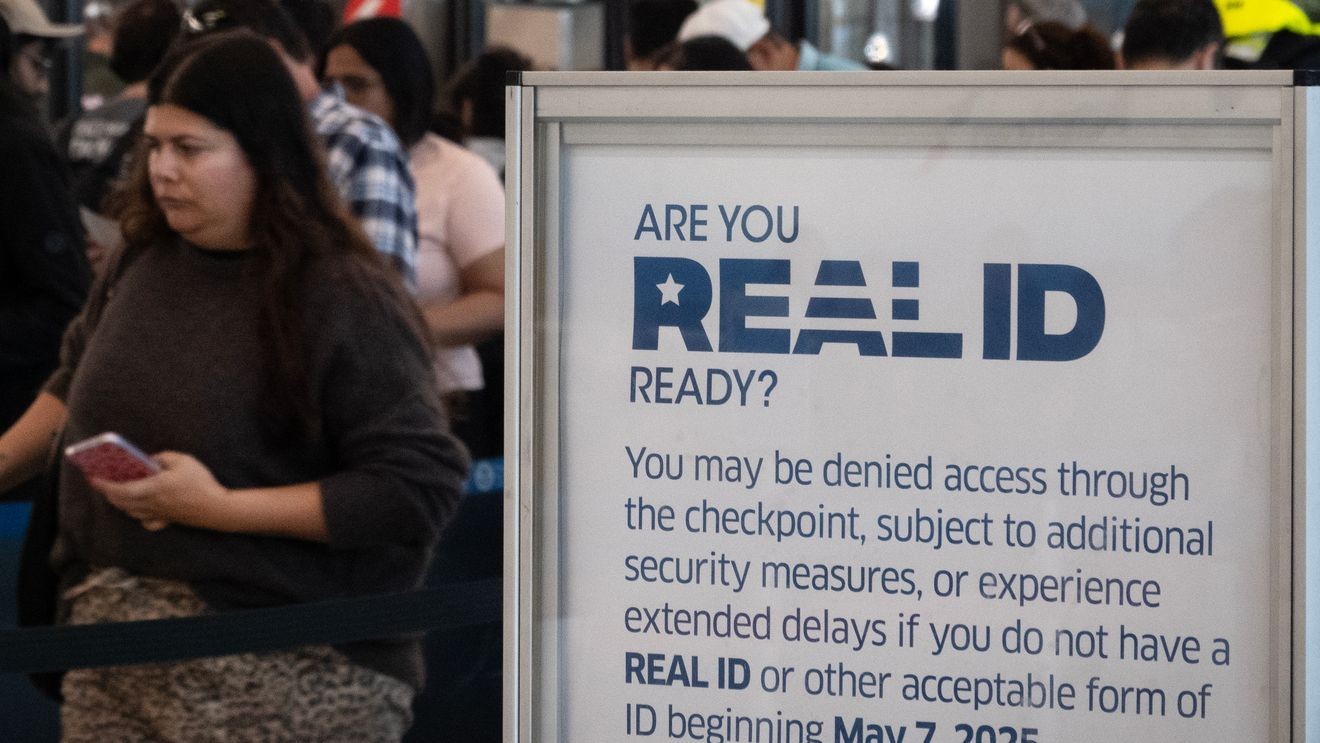
The Transportation Security Administration is set to introduce a new penalty for air travelers who arrive at security checkpoints without acceptable identification. Beginning in February, passengers who lack proper ID will face a $45 charge to verify their identity through a backup system.
Rather than denying boarding outright, the TSA will use its Confirm.ID system to authenticate travelers who forget or lack proper identification documents. This secondary verification process, initially projected to cost $18 per instance, has now been set at $45 due to higher-than-anticipated operational expenses, according to NPR reporting.
Acceptable forms of identification include Real ID-compliant driver’s licenses and U.S. passports. The fee represents another step in the agency’s ongoing efforts to strengthen security protocols while managing the practical challenges of air travel.
“This is part of a broader strategy to enhance security while still providing options for travelers in unusual circumstances,” said a TSA spokesperson. “The fee helps offset the costs of maintaining and operating the verification system.”
The move comes nearly two decades after the federal government began overhauling identification standards. Following recommendations from the 9/11 Commission, Congress enacted the REAL ID Act of 2005, establishing federal standards for state-issued driver’s licenses and identification cards. The Department of Homeland Security was tasked with implementing secure, uniform rules for identification documents.
These identification standards now permeate virtually every aspect of American life. Car rental companies universally require government-issued identification before releasing vehicles. Hotels across the nation verify guest identities at check-in, both as a security measure and to prevent potential fraud.
The financial sector maintains particularly strict identification requirements. Under the USA PATRIOT Act, financial institutions must implement Customer Identification Programs that verify a customer’s identity before providing services. This effectively means Americans cannot legally participate in the banking system without proper identification.
As transactions increase in significance, identification requirements become even more stringent. Mortgage lenders require government-issued identification before finalizing home purchases, adhering to anti-fraud regulations designed to protect both lenders and borrowers.
Firearm purchases similarly involve rigorous identity verification. The Bureau of Alcohol, Tobacco, Firearms and Explosives (ATF) requires licensed dealers to check a buyer’s government-issued photo identification before proceeding with mandatory background checks through the ATF Form 4473.
Perhaps no area has generated more controversy around identification requirements than voting. According to Ballotpedia, 36 states currently require voters to present some form of identification at polling places. Of these, 24 states specifically mandate photo identification, while 12 accept non-photo alternatives.
Aviation security experts note that the TSA’s new fee structure represents a delicate balance between security imperatives and practical realities. The agency processes approximately 2.5 million travelers daily through its checkpoints, with a small but consistent percentage arriving without proper documentation.
“The TSA is trying to create deterrence without causing excessive hardship,” explained Robert Smith, a former Department of Homeland Security official now working in aviation security consulting. “The fee is high enough to discourage carelessness but still allows people who genuinely forgot their ID to continue their journey.”
Consumer advocacy groups have expressed mixed reactions, with some arguing the fee is necessary to maintain system integrity while others worry about the impact on infrequent travelers who may be unaware of the requirement.
For travelers planning flights after February, the message is clear: double-check your identification documents before heading to the airport or be prepared to pay substantially for the oversight.
Fact Checker
Verify the accuracy of this article using The Disinformation Commission analysis and real-time sources.

7 Comments
Interesting policy change by the TSA. While it may help offset costs, $45 seems quite steep for travelers who forget their ID. I wonder if there are any exemptions or hardship waivers available.
Agreed, the fee could be a burden for some travelers. It will be important for the TSA to communicate the rationale and provide clear guidance on the process.
This new TSA fee highlights the challenges of balancing security and convenience in air travel. Curious to see how it impacts passenger experience and if there are any unintended consequences.
Good point. The fee could lead to longer lines and frustration if travelers don’t have cash on hand to pay it. Clear communication from the TSA will be crucial.
The TSA’s goal of enhancing security is understandable, but this new fee may create additional barriers for air travel. I’m curious to see how it’s received by the traveling public.
From a security perspective, I understand the TSA’s rationale for this new fee. But $45 does seem quite high, especially for travelers on a tight budget. Hope they consider more affordable options.
Curious to know if this new TSA fee will apply to all travelers or if there will be any exemptions, like for children or seniors. The details will be important for assessing its impact.