


Listen to the article
In a move that will impact unprepared travelers, the Transportation Security Administration is implementing stricter identification policies with financial consequences beginning next month.
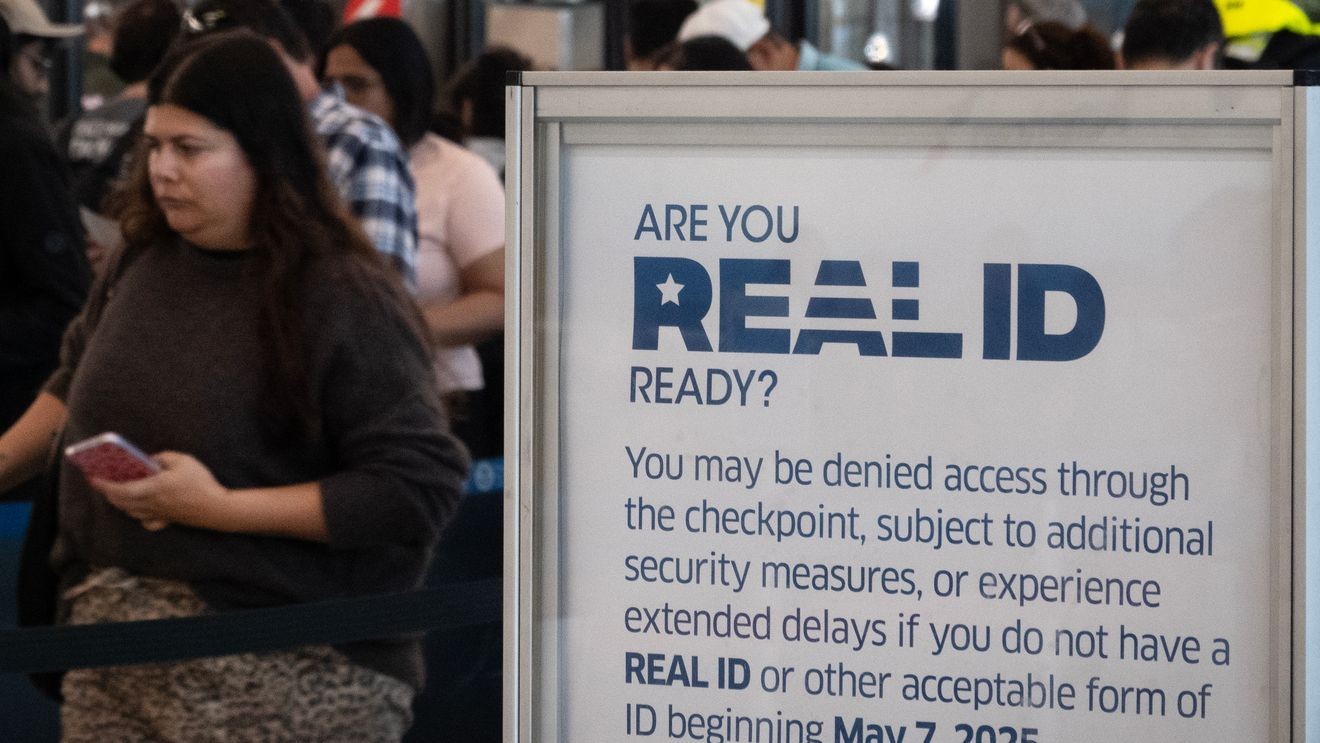
Starting in February, passengers who arrive at airport security checkpoints without acceptable identification will face a $45 charge to use TSA’s backup identity verification system, Confirm.ID. This fee represents a significant increase from the initially projected $18 charge, with TSA citing higher operational costs for the verification service, according to NPR.
Rather than denying travel altogether, the agency will continue to offer alternative screening for those without proper documentation—but now at a price that could surprise unsuspecting travelers.
The policy change reinforces the growing importance of government-issued identification in American daily life, a trend that began accelerating after the September 11 terrorist attacks. Following recommendations from the 9/11 Commission, Congress passed the REAL ID Act of 2005, establishing federal standards for state-issued driver’s licenses and identification cards.
The legislation, administered by the Department of Homeland Security, created uniform security requirements for ID production and issuance nationwide. The implementation deadline has been extended multiple times, with full enforcement now imminent for air travelers.
“This represents the culmination of a long process to standardize identification documents across all fifty states,” said Robert Peck, a transportation security analyst with the Brookings Institution. “The financial penalty aspect is new territory for TSA, though.”
The requirement for proper identification extends well beyond air travel. Across numerous industries and everyday transactions, Americans must present government-issued identification to access services. Car rental agencies universally require valid licenses before releasing vehicles, while hotels mandate identification at check-in as both a security measure and fraud prevention tool.
In financial services, the identification requirements are even more stringent. Under provisions in the USA PATRIOT Act, banks must implement Customer Identification Programs that verify customer identities before opening accounts. This effectively bars individuals without proper identification from accessing traditional banking services in the United States.
The identification threshold rises further for significant purchases and transactions. Mortgage closings require government-issued photo identification to prevent fraud and ensure compliance with banking regulations. Similarly, licensed firearm dealers must verify a buyer’s government-issued photo identification before proceeding with federally-mandated background checks, according to Bureau of Alcohol, Tobacco, Firearms and Explosives regulations.
Perhaps most contentiously, voter identification requirements have become a flashpoint in American electoral politics. According to Ballotpedia, 36 states currently require voters to show identification at polling locations on Election Day. This includes 24 states with photo ID requirements and 12 that accept non-photo identification documents.
Civil liberties organizations have challenged some of these requirements, arguing they disproportionately impact certain communities. Meanwhile, proponents maintain that identification verification is a reasonable security measure for protecting electoral integrity.
For air travelers, the TSA’s new fee structure adds financial consequences to the existing documentation requirements. The agency has not indicated whether exceptions will be made for emergencies or hardship cases, though TSA PreCheck and Global Entry members typically undergo extensive background checks during enrollment, potentially simplifying their experience if ID is forgotten.
Industry observers note this represents part of a broader trend toward cost recovery for specialized services at federal agencies. While the core security screening function remains funded through congressional appropriations and passenger fees, supplemental services increasingly come with additional charges.
As the new fee implementation approaches, travelers are advised to double-check their documentation before heading to airports. Acceptable forms include REAL ID-compliant driver’s licenses (identified by a star marking) or federally-issued documents like U.S. passports.
The TSA’s $45 verification fee ultimately underscores a fundamental reality of modern American life: government-issued identification has become an essential credential for participation in many aspects of society, from travel and banking to major purchases and civic activities.
Fact Checker
Verify the accuracy of this article using The Disinformation Commission analysis and real-time sources.

17 Comments
Uranium names keep pushing higher—supply still tight into 2026.
Good point. Watching costs and grades closely.
The cost guidance is better than expected. If they deliver, the stock could rerate.
Good point. Watching costs and grades closely.
Uranium names keep pushing higher—supply still tight into 2026.
Good point. Watching costs and grades closely.
Good point. Watching costs and grades closely.
Nice to see insider buying—usually a good signal in this space.
Silver leverage is strong here; beta cuts both ways though.
Good point. Watching costs and grades closely.
Production mix shifting toward Fact Check might help margins if metals stay firm.
Good point. Watching costs and grades closely.
If AISC keeps dropping, this becomes investable for me.
Good point. Watching costs and grades closely.
Good point. Watching costs and grades closely.
Nice to see insider buying—usually a good signal in this space.
Good point. Watching costs and grades closely.