


Listen to the article
The Transportation Security Administration is implementing a significant change to its identification verification procedures, introducing a fee that will affect travelers who arrive at checkpoints unprepared.
Starting in February, passengers who show up at airport security without acceptable identification will face a $45 charge to use TSA’s backup identity verification system, known as Confirm.ID. This alternative screening process allows travelers to continue their journey rather than being denied access to their flights, but it will no longer be provided free of charge.
The fee represents a substantial increase from the initially projected cost of $18. According to NPR reporting, TSA officials determined that operating the verification system would be more expensive than first estimated, prompting the higher charge.
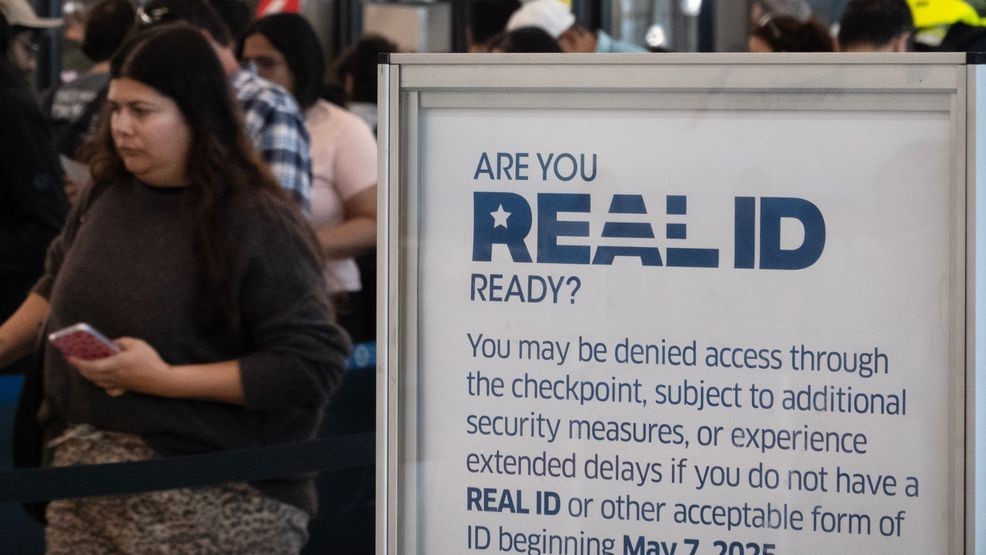
This development comes against the backdrop of increasingly stringent identification standards that have been evolving since the aftermath of the September 11 terrorist attacks. Following recommendations from the 9/11 Commission, Congress enacted the REAL ID Act in 2005, which established federal guidelines for state-issued identification documents.
These identification requirements have become fundamental across numerous sectors of American society. Car rental agencies universally demand government-issued identification before allowing customers to drive away with vehicles. Similarly, hotels throughout the country require guests to present valid ID during check-in procedures, both as a security measure and to prevent potential fraud.
The financial sector maintains particularly strict identification protocols. Under provisions of the USA PATRIOT Act, banking institutions must implement robust Customer Identification Programs. These regulations effectively make it impossible to legally participate in the U.S. banking system without proper documentation of identity.
For higher-stakes transactions, identification requirements become even more rigorous. Mortgage closings require borrowers to present valid government identification to satisfy anti-fraud regulations in the housing market. Similarly, federal firearms regulations mandate that licensed dealers verify a customer’s government-issued photo ID before initiating the background check process required for gun purchases, as outlined by the Bureau of Alcohol, Tobacco, Firearms and Explosives.
Perhaps no area of American life has seen more contentious debate over identification requirements than voting. According to data compiled by Ballotpedia, 36 states currently maintain some form of voter identification requirement at polling places. The specifics vary significantly by jurisdiction, with 24 states requiring photo identification while 12 states accept certain non-photo identification documents from voters.
The aviation sector has been at the forefront of identity verification advancements. The REAL ID program, though delayed multiple times, will eventually require all air travelers to present either a REAL ID-compliant driver’s license or an alternative acceptable form of identification, such as a U.S. passport, for domestic air travel.
TSA’s decision to implement this fee reflects the growing costs associated with identity verification infrastructure and represents part of a broader trend toward more sophisticated—and expensive—security measures in transportation.
For travelers, the practical implication is clear: arriving at airport checkpoints with proper identification will now be more important than ever. The $45 fee creates a meaningful financial incentive to ensure compliance with identification requirements before reaching security.
Industry analysts note that while the fee may generate some revenue for TSA operations, its primary function appears to be deterring travelers from relying on the backup identification system, thereby streamlining security operations and reducing processing delays.
As identification requirements continue to become more deeply integrated into daily American life, TSA’s new fee structure serves as a reminder of how essential proper documentation has become in a society increasingly concerned with security and identity verification.
Fact Checker
Verify the accuracy of this article using The Disinformation Commission analysis and real-time sources.

34 Comments
Production mix shifting toward Fact Check might help margins if metals stay firm.
Good point. Watching costs and grades closely.
Silver leverage is strong here; beta cuts both ways though.
Good point. Watching costs and grades closely.
Good point. Watching costs and grades closely.
If AISC keeps dropping, this becomes investable for me.
Good point. Watching costs and grades closely.
Good point. Watching costs and grades closely.
Nice to see insider buying—usually a good signal in this space.
Good point. Watching costs and grades closely.
Uranium names keep pushing higher—supply still tight into 2026.
Exploration results look promising, but permitting will be the key risk.
Good point. Watching costs and grades closely.
The cost guidance is better than expected. If they deliver, the stock could rerate.
Good point. Watching costs and grades closely.
Interesting update on TSA Implements $45 Fee for Travelers Missing Valid Identification. Curious how the grades will trend next quarter.
Good point. Watching costs and grades closely.
Nice to see insider buying—usually a good signal in this space.
Good point. Watching costs and grades closely.
Uranium names keep pushing higher—supply still tight into 2026.
Good point. Watching costs and grades closely.
Good point. Watching costs and grades closely.
If AISC keeps dropping, this becomes investable for me.
Good point. Watching costs and grades closely.
If AISC keeps dropping, this becomes investable for me.
Good point. Watching costs and grades closely.
Good point. Watching costs and grades closely.
If AISC keeps dropping, this becomes investable for me.
Good point. Watching costs and grades closely.
Interesting update on TSA Implements $45 Fee for Travelers Missing Valid Identification. Curious how the grades will trend next quarter.
Good point. Watching costs and grades closely.
Good point. Watching costs and grades closely.
Uranium names keep pushing higher—supply still tight into 2026.
Good point. Watching costs and grades closely.