


Listen to the article
Travelers to Face $45 Fee for Arriving at Airport Without Proper ID
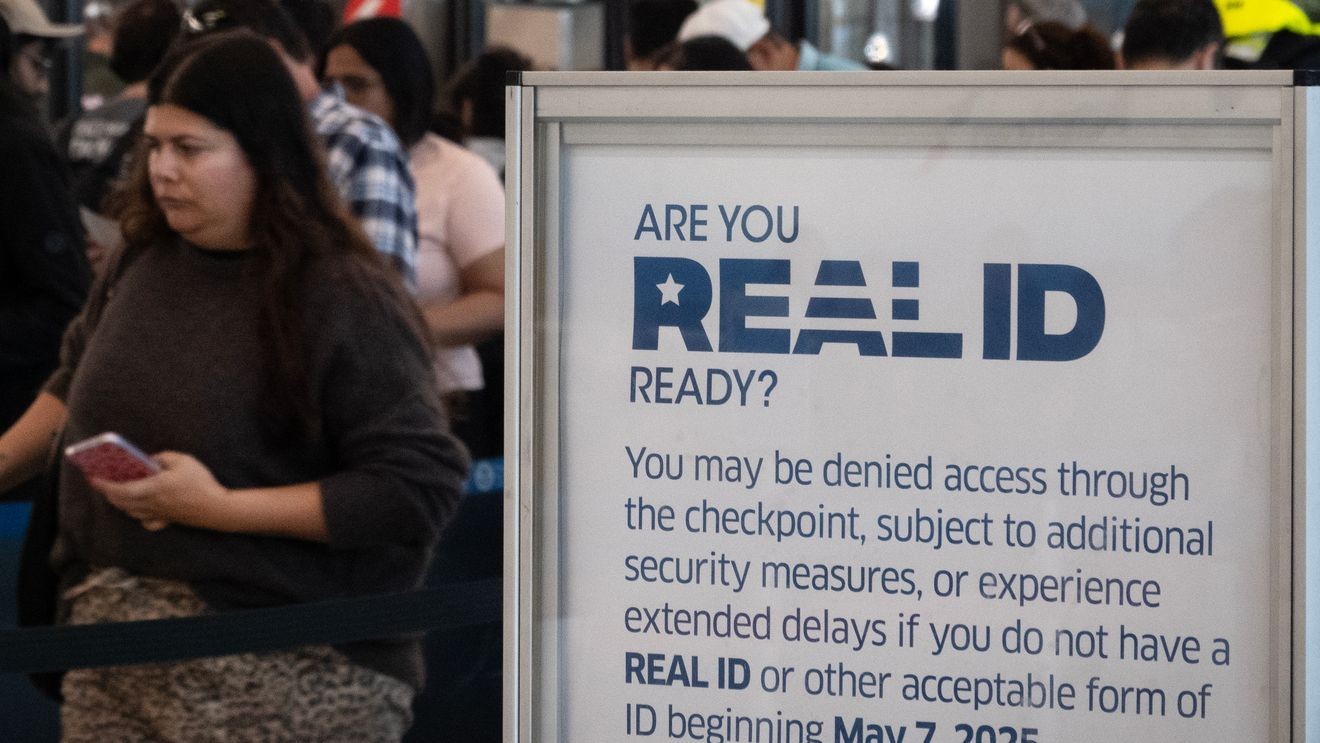
Beginning February 2024, passengers who arrive at airport checkpoints without acceptable identification will face a new $45 fee as the Transportation Security Administration (TSA) implements stricter verification policies.
Rather than denying travel to those without proper identification such as a Real ID-compliant driver’s license or U.S. passport, TSA will offer a secondary screening option through their Confirm.ID system—but that convenience will now come with a cost.
The fee marks a significant increase from TSA’s initial projection of $18. According to NPR, the higher charge reflects the actual operational costs of the identity verification system.
This development represents the latest evolution in America’s increasingly strict identification requirements, which have steadily expanded across various sectors since the early 2000s.
The foundation for today’s identification landscape was established in the aftermath of the September 11 attacks. Following recommendations from the 9/11 Commission, Congress enacted the REAL ID Act of 2005, which directed the Department of Homeland Security to establish secure, standardized protocols for issuing driver’s licenses and identification cards nationwide.
These standards have become embedded in everyday transactions across the country. Car rental companies universally require government-issued identification before releasing vehicles. Hotels routinely verify guests’ identities at check-in, both for security purposes and to prevent fraud.
The financial sector maintains particularly stringent requirements. Under the USA PATRIOT Act, banks must implement Customer Identification Programs that verify the identity of each person seeking to open an account. This effectively means that accessing the U.S. banking system requires proper government-issued identification.
Identification requirements become even more rigorous for high-stakes transactions. Purchasing a home involves multiple identity verification checkpoints to comply with anti-fraud regulations in the mortgage industry. Before closing on a property, borrowers must present valid government-issued identification to verify they are who they claim to be.
Similar verification steps apply to firearm purchases. The Bureau of Alcohol, Tobacco, Firearms and Explosives (ATF) mandates that licensed dealers check a buyer’s government-issued photo identification before proceeding with the background check process required by the ATF Form 4473.
Perhaps no area of American life has seen more contentious debate over identification requirements than voting. According to Ballotpedia, 36 states currently require voters to show some form of identification at polling places on Election Day. Of those, 24 states specifically require photo identification, while the remaining 12 accept non-photo identification documents.
The aviation security landscape continues to evolve in response to both practical needs and emerging threats. The TSA’s new fee structure reflects a balance between maintaining security protocols while still providing options for travelers who arrive unprepared.
Security experts suggest that travelers should take extra precautions to ensure they have proper identification before heading to the airport. With the implementation date approaching in February, passenger advocacy groups are working to spread awareness about the new policy to minimize inconvenience and unexpected expenses.
The $45 verification fee may serve as both a deterrent to arriving unprepared and as a mechanism to offset the costs of maintaining alternative verification systems. For frequent travelers, the change emphasizes the importance of having REAL ID-compliant identification, especially as federal enforcement deadlines approach.
For Americans across all walks of life, TSA’s new policy underscores a fundamental reality of modern society: proper identification has become an essential requirement for participation in nearly all significant economic and civic activities.
Fact Checker
Verify the accuracy of this article using The Disinformation Commission analysis and real-time sources.

16 Comments
Interesting update on TSA Implements $45 Fee for Travelers Lacking Proper Identification at Airports. Curious how the grades will trend next quarter.
Good point. Watching costs and grades closely.
Interesting update on TSA Implements $45 Fee for Travelers Lacking Proper Identification at Airports. Curious how the grades will trend next quarter.
The cost guidance is better than expected. If they deliver, the stock could rerate.
Good point. Watching costs and grades closely.
Good point. Watching costs and grades closely.
The cost guidance is better than expected. If they deliver, the stock could rerate.
I like the balance sheet here—less leverage than peers.
Uranium names keep pushing higher—supply still tight into 2026.
Good point. Watching costs and grades closely.
Good point. Watching costs and grades closely.
Silver leverage is strong here; beta cuts both ways though.
Good point. Watching costs and grades closely.
Good point. Watching costs and grades closely.
Exploration results look promising, but permitting will be the key risk.
Good point. Watching costs and grades closely.