


Listen to the article
TSA to Charge $45 Fee for Travelers Without Proper Identification
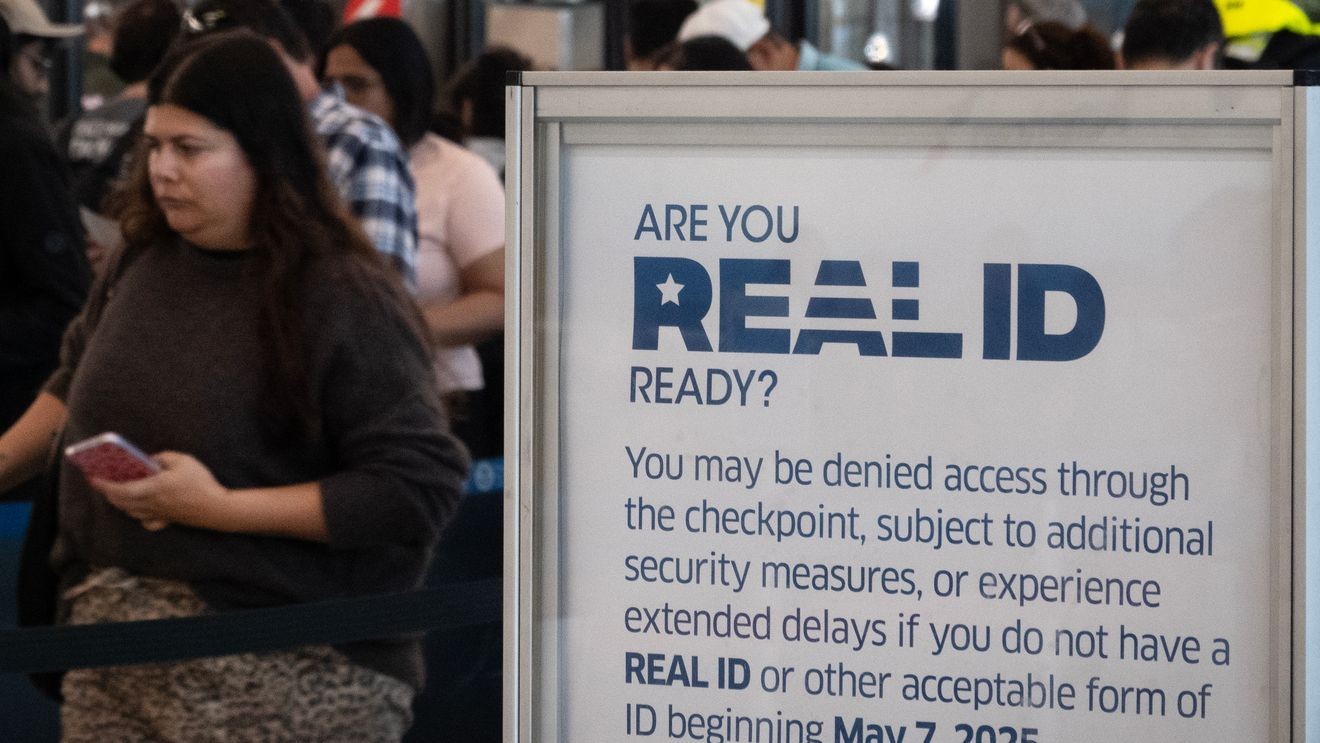
Starting in February, passengers arriving at airport checkpoints without acceptable identification will face a new $45 fee imposed by the Transportation Security Administration. The charge will apply to travelers lacking proper documentation such as a REAL ID-compliant driver’s license or U.S. passport.
Rather than denying boarding entirely, TSA will verify travelers’ identities through a backup system called Confirm.ID. This secondary screening procedure, while providing a solution for forgetful travelers, will no longer be offered free of charge.
The fee represents a significant increase from the initially projected cost of $18. According to NPR, the TSA later determined that operating the identity verification system would be more expensive than originally estimated, necessitating the higher charge.
This new policy reflects the continued tightening of identification requirements across American society, a trend that began in earnest following the September 11 terrorist attacks. The REAL ID Act of 2005, passed in response to recommendations from the 9/11 Commission, directed the Department of Homeland Security to establish secure, uniform standards for state-issued driver’s licenses and identification cards.
Transportation security experts view the new fee as part of the broader effort to ensure all air travelers are properly identified before boarding. While some consumer advocates have expressed concern about the additional financial burden on travelers, security officials maintain that proper identification remains essential to aviation safety.
“The verification fee creates an incentive for travelers to remember their IDs while still providing a pathway for those who arrive without documentation,” said a former TSA administrator who requested anonymity because they weren’t authorized to speak on behalf of the agency. “It’s a balance between security requirements and passenger convenience.”
The importance of government-issued identification extends far beyond air travel in today’s security-conscious America. Across numerous industries and everyday transactions, verifiable identification has become non-negotiable.
Car rental companies universally require government-issued ID before releasing vehicles to customers, while hotels nationwide check identification at check-in to prevent fraud and verify reservations. Banking regulations are particularly strict – under the USA PATRIOT Act, financial institutions must implement Customer Identification Programs that verify customers’ identities before allowing access to banking services.
For higher-stakes transactions, identification requirements become even more stringent. Purchasing real estate requires valid government-issued identification to comply with anti-fraud regulations. Similarly, federally licensed firearm dealers must check a buyer’s government-issued photo ID before conducting the background check required on ATF Form 4473.
Perhaps most contentious is the role of identification in voting. According to Ballotpedia, 36 states currently require voters to show some form of identification at polling locations. Of these, 24 states specifically mandate photo identification, while 12 accept non-photo alternatives. The debate over voter ID requirements continues to be a flashpoint in discussions about election security and voting access.
Aviation industry analysts note that the new TSA fee structure aligns with a broader trend toward cost recovery for specialized services. While the core security screening remains funded through existing aviation security fees and federal appropriations, additional services are increasingly subject to specific charges.
Travelers can avoid the new fee by ensuring they carry acceptable identification to the airport. The TSA maintains a list of approved identification documents on its website, including state-issued driver’s licenses, U.S. passports, permanent resident cards, and military IDs.
The $45 identification verification fee underscores a fundamental reality of modern American life: proper identification has become essential for participation in many basic activities, from banking to travel. As security protocols continue to evolve, the premium placed on reliable identification only appears likely to increase.
Fact Checker
Verify the accuracy of this article using The Disinformation Commission analysis and real-time sources.

9 Comments
The new TSA fee for travelers without proper ID is concerning. $45 is a significant amount, and could be a barrier for some people. I hope the TSA explores more affordable options to ensure accessibility for all.
This new TSA fee for travelers without proper ID seems like a reasonable security measure, though the $45 charge is quite steep. I hope they offer alternative options for those who may have forgotten or lost their ID on short notice.
Agreed, the fee is quite high and could be a burden for some travelers. Proper identification is important for security, but there should be more affordable options available.
As a frequent flyer, I’m accustomed to the growing identification requirements at airports. While the $45 fee seems steep, I understand the TSA’s need to cover the operational costs of their backup identity verification system.
That’s a reasonable perspective. Air travel security is complex, and the TSA has to balance various priorities. Hopefully they can find ways to reduce the financial impact on travelers over time.
While I understand the need for tight identification requirements post-9/11, a $45 fee seems excessive. I hope the TSA can find a way to balance security concerns with affordability for travelers.
You make a good point. The fee could be prohibitive for some, especially families or low-income travelers. Hopefully the TSA can review the pricing and explore more accessible solutions.
This new TSA policy highlights the ongoing challenge of balancing security and convenience for air travelers. The $45 fee seems high, but I suppose it reflects the actual costs of verifying identities through their backup system.
That’s a fair assessment. The TSA likely has to weigh various factors in determining the appropriate fee. Hopefully they can find ways to minimize the burden on travelers while still maintaining robust security protocols.