


Listen to the article
In a significant policy development, the Trump administration’s proposed tariff dividend program faces substantial legal and financial hurdles, according to recent statements from Treasury Secretary Scott Bessent and White House officials. The proposal, which aims to distribute tariff revenue directly to American households, may require congressional approval before implementation can begin.
The administration’s plan has drawn scrutiny from multiple angles, with the U.S. Supreme Court currently reviewing the legality of Trump’s tariff policies in a case that could fundamentally alter the program’s viability. Legal experts note that if the Court rules against the administration, collected tariff revenues might need to be refunded to importers, substantially reducing or eliminating the funds available for any dividend distribution.
“This creates a significant contingency for the program,” said one Washington-based trade attorney who requested anonymity to speak freely about ongoing litigation. “The administration can’t distribute what it might legally be required to return.”
The tariff dividend would follow the pattern of previous direct payment programs implemented during Trump’s first term. The COVID-19 economic impact payments and the more recent $1,776 “Warrior Dividend” for military personnel utilized existing tax records to deposit funds directly into recipients’ bank accounts, bypassing third-party financial intermediaries. Administration officials suggest a similar mechanism would likely be employed if the tariff dividend receives approval.
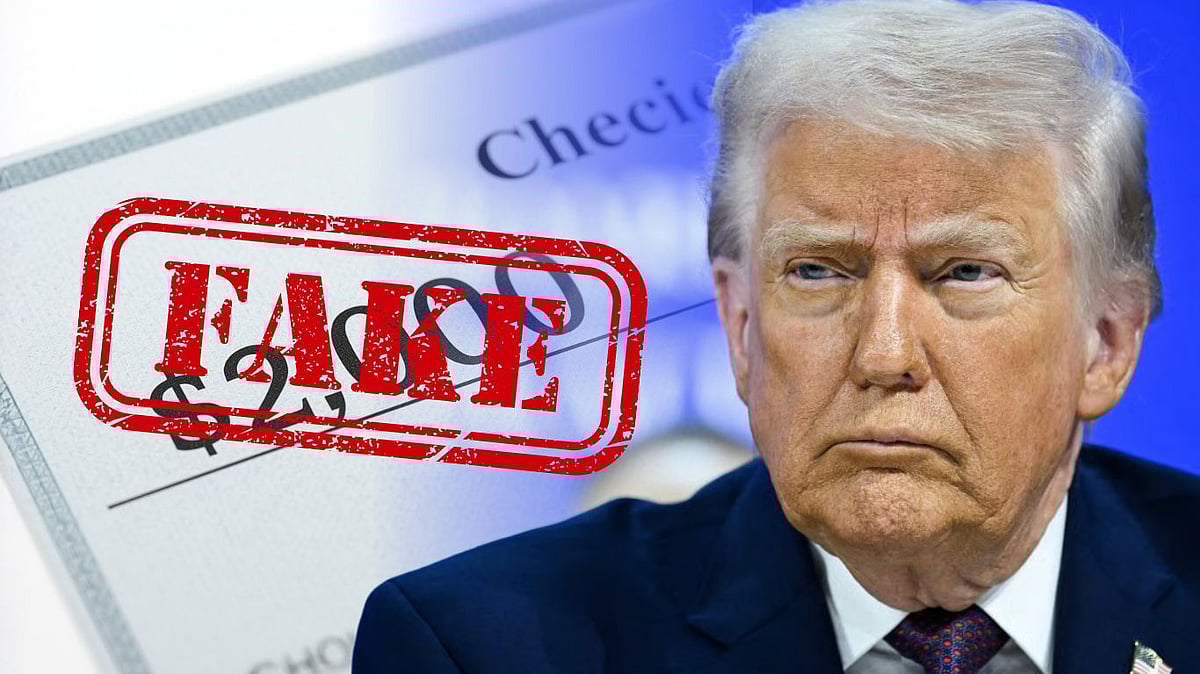
However, financial realities present perhaps the most daunting challenge. Budget analysts estimate that a $2,000 per-person rebate, as suggested in preliminary discussions, would cost between $450 billion and $600 billion – a figure that exceeds the government’s annual revenue from tariffs. This disparity has prompted economists and fiscal watchdog organizations to question the program’s financial sustainability.
“There’s a fundamental math problem here,” explained Robert Hoffman, senior fellow at the Center for Fiscal Responsibility. “The administration is proposing to distribute more in dividends than what’s being collected in tariff revenue. That gap has to be filled somehow, typically through borrowing, which contradicts stated goals of deficit reduction.”
The proposal creates tension between competing fiscal priorities within the administration. Officials have previously emphasized deficit reduction as a key economic objective, but the tariff dividend program would necessarily increase federal spending substantially. This has created internal debate about whether tariff revenues should be directed toward individual payments or toward addressing the national debt.
Market analysts have noted that uncertainty around the program has already influenced investor behavior in sectors that would be most affected by expanded tariffs, particularly consumer goods, technology, and automotive industries. Import-dependent companies have seen increased stock volatility as investors attempt to assess the potential impact of higher tariff rates coupled with consumer dividend payments.
Regional economic impacts would likely vary significantly, with states heavily engaged in international trade potentially feeling dual effects from both increased tariffs and dividend payments. Border states and major port cities could experience more pronounced economic shifts if the program moves forward.
For consumers, officials recommend caution. While the proposed dividend has generated significant public interest, financial planners advise against making spending decisions based on potential government payments that face multiple implementation hurdles.
“Americans should rely exclusively on official government announcements regarding any potential tariff dividend program,” a Treasury Department spokesperson said in a statement. “The administration continues to evaluate implementation options while addressing legal considerations.”
As debate continues around the program’s feasibility, both supporters and critics acknowledge that establishing such a large-scale direct payment system would represent a significant shift in how tariff revenues are utilized in the American economy, potentially creating a new framework for trade policy with direct consumer implications.
Fact Checker
Verify the accuracy of this article using The Disinformation Commission analysis and real-time sources.

8 Comments
This is a complex issue with a lot of moving parts. The legal questions around the tariff policies will be crucial in determining whether the tariff dividend program can actually move forward as planned.
It’s an interesting idea, but the legal complexities around the tariff policies seem to pose a real obstacle. I’ll be curious to see if the administration can find a way to work around these challenges and deliver on the promised dividend.
Interesting update on the legal challenges surrounding Trump’s proposed tariff dividend program. It sounds like there are some significant hurdles around the legality and funding of this initiative. Curious to see how it plays out.
The potential requirement to refund tariff revenue to importers could be a major setback for the tariff dividend plan. That would substantially reduce the funds available for distribution, making the whole program much less viable.
It’s not surprising to see legal and financial obstacles for a program of this scale. Distributing tariff revenue directly to American households would be a major logistical undertaking. I’ll be curious to see if the administration can find a path forward that withstands legal scrutiny.
The tariff dividend idea seemed like a creative way to put trade revenue back into people’s pockets, but the legal issues are clearly significant. If the Supreme Court rules against the administration, that could effectively kill the program before it even gets off the ground.
This is a complex issue with a lot of moving parts. The potential need to refund collected tariff revenues could really complicate any efforts to distribute dividends directly to households. Legal experts will be closely watching the Supreme Court case.
This highlights the challenges of implementing novel economic policies, especially those that rely on tariff revenue. The administration will need to address the legal concerns if they want to have any chance of delivering on the promised $2,000 dividend.