


Listen to the article
President Trump’s Iowa Visit Highlights Ongoing Farm Crisis as $12 Billion Aid Package Rolls Out
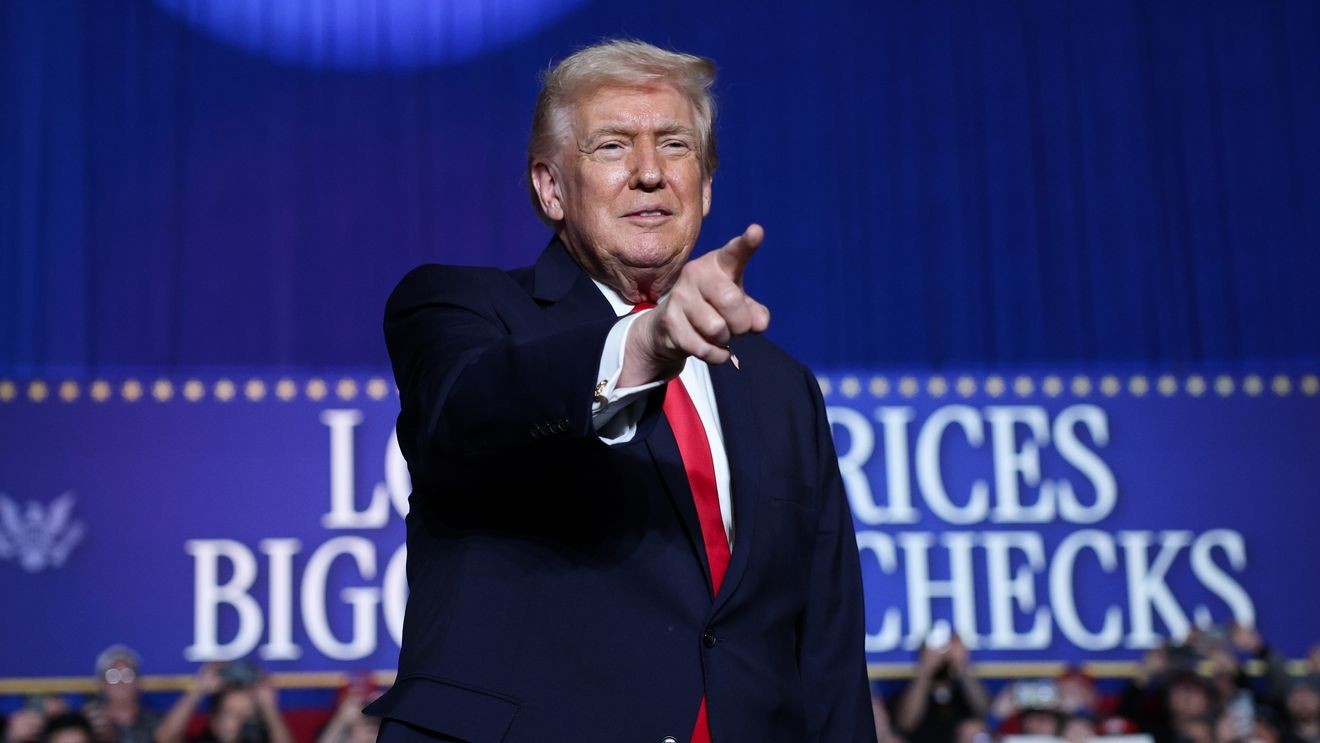
WASHINGTON — President Donald Trump’s recent appearance in Clive, Iowa comes at a critical moment for America’s agricultural sector, as farmers nationwide begin the 2026 planting season amid a prolonged economic struggle. During his visit, Trump emphasized his administration’s commitment to the agricultural community, specifically highlighting the billions in federal assistance allocated to support struggling farmers.
The timing of Trump’s Iowa visit is significant, occurring as rural America continues to weather a perfect storm of financial challenges: depressed commodity prices, skyrocketing production costs, and increasingly narrow profit margins that have pushed many family farms to the brink of insolvency.
In December, the Trump administration unveiled a $12 billion economic relief package designed to provide a financial lifeline to American farmers reeling from losses during the 2025 crop year. According to the U.S. Department of Agriculture (USDA), $11 billion of this package will flow directly to row-crop producers through the newly established Farmer Bridge Assistance (FBA) program.
However, agriculture experts caution that the program offers temporary cash-flow relief rather than comprehensive compensation for the full extent of farmers’ losses. This distinction has become a point of contention among agricultural advocacy groups who argue that more substantial intervention may be necessary to preserve America’s farming infrastructure.
The distribution of funds reveals clear regional priorities within the aid package. Corn Belt and Midwest states are positioned to receive approximately 64% of the total allocation, according to analysis from the American Farm Bureau Federation. By crop type, corn producers will receive the largest share at approximately $4.3 billion, followed by soybean farmers at $2.5 billion, and wheat growers at $1.9 billion.
This allocation strategy has drawn criticism from agricultural regions outside the Midwest, particularly from specialty crop producers in California, Florida, and the Pacific Northwest, who will share just $1 billion of the relief package. Industry representatives for specialty crops—which include fruits, vegetables, nuts, and nursery plants—argue this amount falls woefully short of addressing their sector’s unique challenges, including exceptionally high labor costs and specialized input requirements.
“While the aid provides critical short-term relief, it doesn’t address the fundamental market issues creating this crisis in the first place,” said a spokesperson from the American Farm Bureau Federation. “Farmers are still facing an unsustainable equation of low prices and high costs that this package doesn’t solve.”
To determine payment levels, the USDA developed a nationwide loss model using various data sources and projections, resulting in standardized per-acre payments for each eligible crop type. This one-size-fits-all approach has raised concerns about equity, as actual losses vary significantly between regions, farming operations, and individual circumstances.
Agriculture economists note that despite the $12 billion injection, the sector continues to face annual multi-billion-dollar deficits. The FBA program is explicitly framed as a temporary bridge solution intended to maintain farm solvency until more comprehensive agricultural policy reforms can be implemented in the 2026 fiscal year.
The agricultural crisis comes at a politically sensitive time, with rural voters representing a crucial constituency heading into upcoming elections. The farm economy’s health has historically been a barometer for political sentiment across America’s heartland, making the effectiveness of this aid package particularly consequential for the administration.
As planting season begins, many farmers find themselves in the paradoxical position of investing in another crop year despite uncertainty about whether market conditions will allow them to recover their costs—a testament to both the resilience of American agriculture and the severity of the economic challenges it currently faces.
Fact Checker
Verify the accuracy of this article using The Disinformation Commission analysis and real-time sources.

10 Comments
Interesting to see the administration’s efforts to provide aid to struggling farmers. While a temporary solution, the long-term challenges facing the agricultural sector will require more comprehensive policy reforms to ensure the viability of family farms.
You raise a good point. Temporary aid is helpful, but addressing the root causes of the farm crisis, like commodity prices and production costs, is crucial for a sustainable recovery.
As a mining investor, I’m interested to see how this farm crisis might impact the demand and prices for commodities like copper, lithium, and uranium, which are essential for modern agriculture. Do you think this aid package could have ripple effects across other industries?
That’s a great observation. The agricultural sector’s struggles could indeed have implications for commodity markets, particularly for inputs like fertilizers and farm equipment. It’s worth keeping an eye on those potential linkages.
This farm crisis highlights the importance of maintaining a strong, self-sufficient domestic food supply. I wonder if the administration is also considering policies to incentivize domestic agricultural production and reduce reliance on imports.
That’s a good point. Food security is a critical national security issue, so policies that promote domestic agricultural resilience could be an important part of the solution.
While the short-term aid is appreciated, I hope the administration is also exploring ways to bolster the long-term resilience of the agricultural sector, such as investments in sustainable farming practices, infrastructure, and supply chain diversification.
Agreed. A holistic approach that addresses both immediate needs and long-term structural issues would be ideal to truly support American farmers and ensure the sector’s future viability.
This aid package seems like a band-aid on a larger issue. I’m curious to hear more about the specific policy changes the administration is considering to support American farmers in the long run.
That’s a good question. The article mentions some of the broader challenges facing the agricultural sector, so it would be helpful to understand the administration’s strategy for tackling those systemic issues.