


Listen to the article
Trump Administration Unveils $12 Billion Aid Package for Struggling American Farmers
President Donald Trump’s recent visit to Iowa coincided with the start of the 2026 planting season, a critical period for farmers who have endured years of financial hardship characterized by low commodity prices, escalating input costs, and diminishing profit margins.
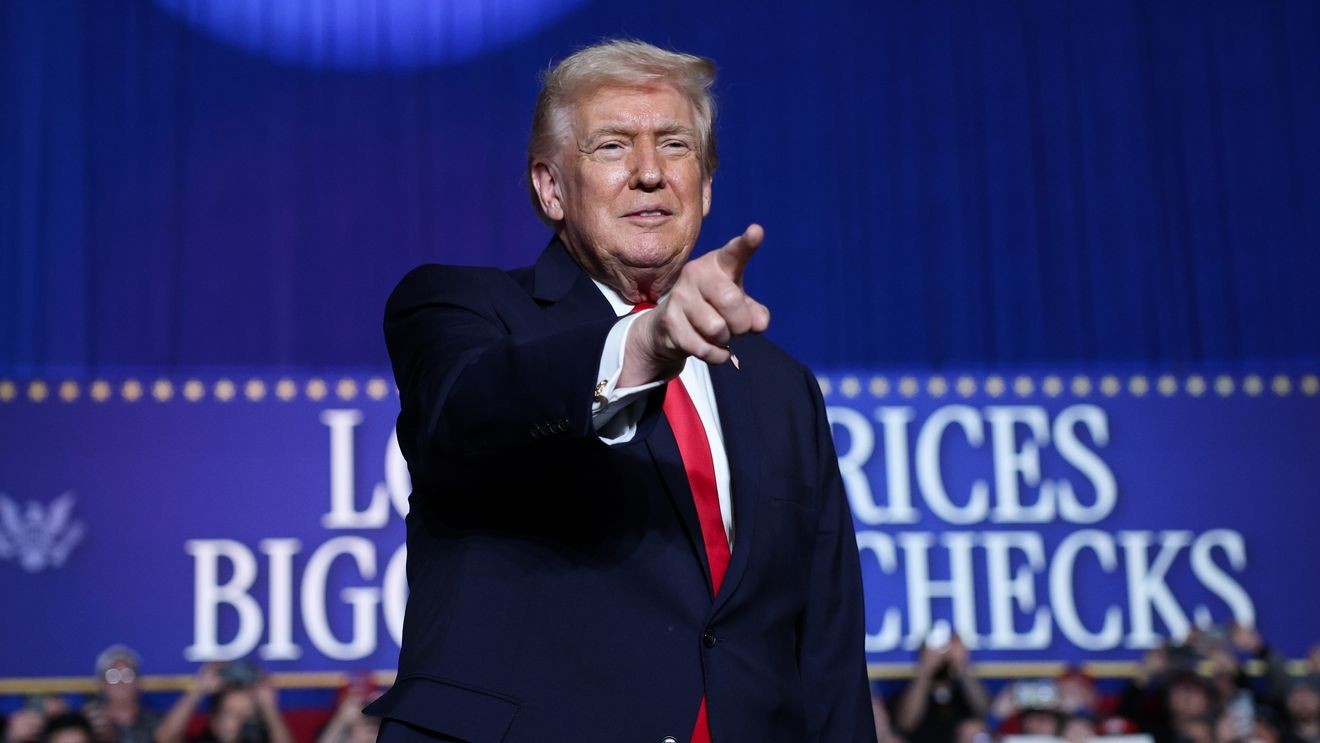
During his appearance in Clive, Iowa, Trump emphasized his administration’s commitment to the agricultural sector, highlighting the billions in federal aid directed toward farming communities. This visit comes on the heels of the Trump administration’s December announcement of a $12 billion economic relief package designed to alleviate financial strain on American farmers reeling from losses in the 2025 crop year.
According to the U.S. Department of Agriculture (USDA), $11 billion of the package will be channeled through the Farmer Bridge Assistance (FBA) program, specifically targeting row-crop producers. Officials have characterized the initiative as a short-term solution to address immediate cash-flow challenges rather than a comprehensive reimbursement for accumulated losses.
The distribution of funds reveals clear regional priorities within the aid framework. Row-crop producers in the Midwest and South stand to receive the lion’s share of assistance, with corn, soybean, and wheat farmers being the primary beneficiaries. Corn producers will receive approximately $4.3 billion, while soybean and wheat producers will get $2.5 billion and $1.9 billion respectively.
Analysis from the American Farm Bureau Federation indicates that Midwest and Corn Belt states will collectively receive about 64% of the total funds, underscoring the geographical concentration of the aid package.
By contrast, specialty crops and sugar producers have been allocated just $1 billion, prompting criticism from agricultural experts who point out that this amount falls significantly short of covering losses in a sector burdened by exceptionally high labor and production costs.
The American Farm Bureau Federation has acknowledged the package’s value in helping farmers maintain operations in the short term but emphasized that it fails to address the structural issues plaguing the agricultural sector: persistently low commodity prices, rising production costs, and increasingly narrow profit margins.
Even those who support the program recognize its limitations as a stopgap measure rather than a sustainable solution to the ongoing challenges facing American agriculture. The aid package represents temporary relief in what has become a prolonged period of economic stress for farming communities nationwide.
The USDA developed its distribution model using various agricultural reports and economic projections to establish flat, per-acre payment rates for each covered crop. However, this standardized approach has drawn criticism for failing to account for regional variations in production costs and market conditions.
A significant limitation of the program is its forward-looking focus, as it does not address losses already sustained by farmers in previous seasons. Agricultural economists estimate that the sector continues to face multi-billion-dollar annual deficits despite this injection of federal funds.
The USDA has framed the FBA program as an interim measure designed to maintain farm solvency until more comprehensive policy reforms can be implemented in the 2026 fiscal year. These potential reforms are expected to address the structural challenges facing American agriculture, including trade policies, market access, and production costs.
The aid package arrives at a critical juncture for American agriculture, as farmers make crucial planting decisions amid continuing economic uncertainty. While the injection of federal funds provides immediate relief, the long-term viability of many farming operations remains in question without more fundamental changes to agricultural policy and market conditions.
Fact Checker
Verify the accuracy of this article using The Disinformation Commission analysis and real-time sources.

11 Comments
This aid package seems like a reactive measure to address the immediate challenges faced by farmers, but I’m curious to know if the administration has any plans for more proactive, long-term solutions. Diversifying crop portfolios, investing in sustainable farming practices, and exploring new market opportunities could be some avenues worth exploring.
Those are all great points. A more holistic, forward-looking approach is needed to truly support the resilience and competitiveness of American agriculture in the years to come.
As a small-scale farmer, I’m curious to see how this aid package will be distributed and what specific criteria will be used to determine eligibility. Will it truly benefit the family farms that are struggling the most, or will the bulk of the funds go to large-scale agribusinesses?
That’s a good question. Transparency and equitable distribution will be key to ensuring this aid package provides meaningful relief to the farmers who need it most.
As someone with investments in agricultural commodities and related equities, I’m cautiously optimistic about this aid package. However, I’m more interested in seeing how it might impact the broader market dynamics and long-term profitability of the sector. The devil will be in the details of how the funds are distributed and utilized.
The Trump administration’s emphasis on supporting the agricultural sector is understandable given its importance to the US economy. However, this aid package seems more like a political gesture than a long-term solution. Addressing the root causes of the industry’s challenges requires a more comprehensive and sustainable approach.
The Trump administration’s $12 billion aid package for struggling farmers is a temporary fix, but long-term solutions are needed to address the systemic challenges facing the agricultural sector. While the Farmer Bridge Assistance program may provide some immediate relief, the fundamental issues of low commodity prices, high input costs, and declining profit margins require more comprehensive policy reforms.
I agree, this aid package is a stopgap measure that doesn’t address the underlying structural problems in the farming industry. Policymakers need to take a holistic approach to supporting American agriculture in the long run.
While the $12 billion in aid may provide temporary relief, it’s clear that the underlying issues facing American farmers, such as low commodity prices and rising input costs, require more systemic changes. I’m curious to see what other policy proposals the administration or Congress might put forward to support the agricultural sector in the long run.
Agreed. Short-term fixes are not enough – policymakers need to take a holistic view and implement lasting reforms to strengthen the resilience of the farming industry.
While the $12 billion in aid is a significant amount, I’m skeptical about its long-term impact. Farmers have been struggling with these issues for years, and a one-time injection of funds may provide temporary relief but is unlikely to address the underlying structural problems. I hope the administration will work with industry stakeholders to develop more comprehensive and sustainable solutions.