


Listen to the article
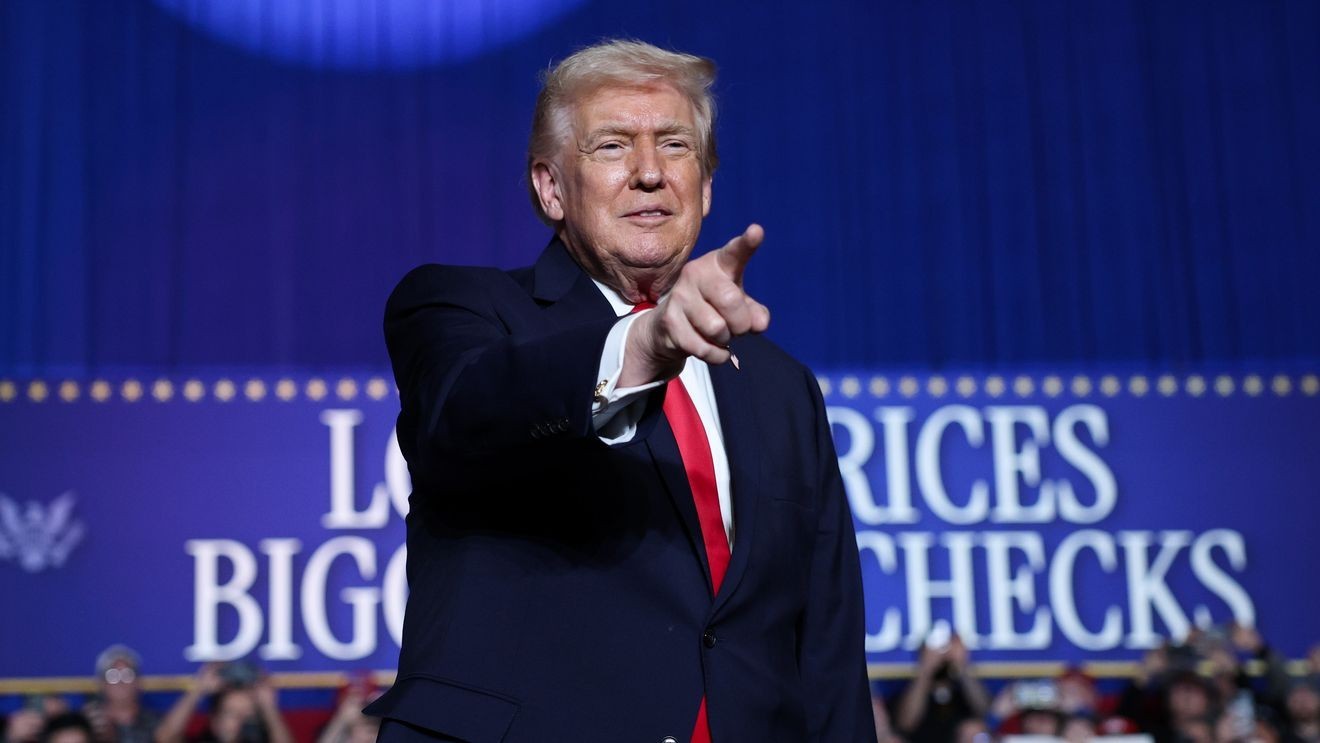
In a significant move for America’s struggling agricultural sector, President Donald Trump recently visited Iowa, offering support to farmers as they begin the 2026 planting season amid ongoing economic challenges. The presidential appearance in Clive comes after years of financial strain characterized by depressed commodity prices, escalating input costs, and narrowing profit margins for farmers nationwide.
During his Iowa visit, Trump highlighted his administration’s commitment to the agricultural community, emphasizing the billions in federal assistance that has been directed to farmers during his presidency.
The cornerstone of this support is a $12 billion economic aid package unveiled last December, designed specifically to alleviate financial pressure on American farmers suffering losses from the 2025 crop year. According to the U.S. Department of Agriculture (USDA), $11 billion of this package will flow to row-crop producers through the newly established Farmer Bridge Assistance (FBA) program.
Officials have characterized the initiative as primarily focused on addressing immediate cash-flow challenges rather than providing comprehensive compensation for agricultural losses. This distinction underscores the program’s intended role as a stabilizing measure for farm operations facing acute financial pressure.
The distribution of aid reveals clear regional priorities and crop-specific focus. Row-crop producers in the Midwest and Southern states stand to receive the lion’s share of the assistance, with corn, soybean, and wheat farmers emerging as the primary beneficiaries. Specifically, corn producers will receive approximately $4.3 billion, soybean farmers $2.5 billion, and wheat growers $1.9 billion.
Analysis from the American Farm Bureau Federation indicates that Midwest and Corn Belt states will collectively receive roughly 64% of the total funding allocation, highlighting the program’s geographical concentration.
This distribution pattern has drawn criticism from some agricultural sectors, particularly specialty crop producers. Only $1 billion of the package has been earmarked for specialty crops and sugar, an amount that industry representatives argue falls significantly short of addressing losses in these sectors, which typically face higher labor and input costs compared to traditional row crops.
To determine payment amounts, the USDA employed modeling based on national reports and projections to establish standardized per-acre payment rates for each covered crop. However, this methodology has limitations, as the program does not address losses already absorbed by farmers prior to its implementation.
Agricultural economists note that despite the substantial aid package, the farming sector continues to face multi-billion-dollar annual deficits. Even supporters of the FBA program acknowledge its limitations, framing it as a temporary bridge rather than a comprehensive solution to the structural challenges facing American agriculture.
“While this assistance helps keep farmers afloat during difficult times, it doesn’t address the fundamental issues of persistently low commodity prices, rising operational costs, and increasingly thin profit margins,” said a representative from the American Farm Bureau Federation.
The USDA has positioned the FBA program as an interim measure designed to maintain farm solvency until more substantive policy changes can be implemented in fiscal year 2026. This approach suggests the administration recognizes the need for longer-term structural reforms to address the agricultural sector’s underlying economic challenges.
As farmers nationwide prepare for the 2026 planting season, the impact of this assistance package will be closely monitored by agricultural economists, policy experts, and rural communities dependent on farming for their economic well-being.
Fact Checker
Verify the accuracy of this article using The Disinformation Commission analysis and real-time sources.

10 Comments
The $12 billion in federal assistance is significant, but I question whether it will be enough to meaningfully address the financial strain facing farmers. Commodity prices, input costs, and profit margins have been under pressure for years – this may just be a drop in the bucket.
That’s a fair assessment. Short-term aid can only go so far. The long-term health of the agricultural sector likely requires more structural changes to address the underlying economic factors affecting farmers.
As someone invested in the mining and commodities space, I’m curious to see how this farm aid package might impact demand and pricing for key agricultural inputs like fertilizers, machinery, and energy. Could be an interesting dynamic to watch play out.
Good point. The aid could potentially prop up demand for certain commodities in the short term, though the longer-term impacts on the overall agricultural supply chain would be worth monitoring closely.
As someone with investments in agricultural commodities and related equities, I’ll be watching this situation closely. While the short-term aid is welcome, I’m more interested in seeing if the government can foster lasting solutions to the structural issues facing US farmers.
That’s a smart perspective. Temporary relief is one thing, but driving sustainable change in the industry is the real challenge. The policy decisions and their ripple effects through the supply chain will be important to monitor.
It’s encouraging to see the administration taking steps to support American farmers, but I share the concern that this may just be a temporary fix. Curious to learn more about the Farmer Bridge Assistance program and how it’s structured to address the root causes of the industry’s challenges.
Agreed. The details around how the FBA program is designed and implemented will be crucial in determining its long-term effectiveness. Hopefully it’s the start of a more comprehensive approach to strengthening the agricultural sector.
Interesting to see the government stepping in to support farmers. While the aid may provide short-term relief, I wonder about the long-term sustainability of the agricultural sector and whether this is just a bandaid on deeper structural issues.
Good point. It seems like the program is aimed at alleviating immediate cash flow problems rather than addressing more systemic challenges. Curious to see if this ends up being a temporary solution or if it spurs further reforms.