


Listen to the article
In a bold statement on social media platform Truth Social, former President Donald Trump has publicly voiced support for ongoing anti-government protests in Iran, telling demonstrators that “help is on the way.”
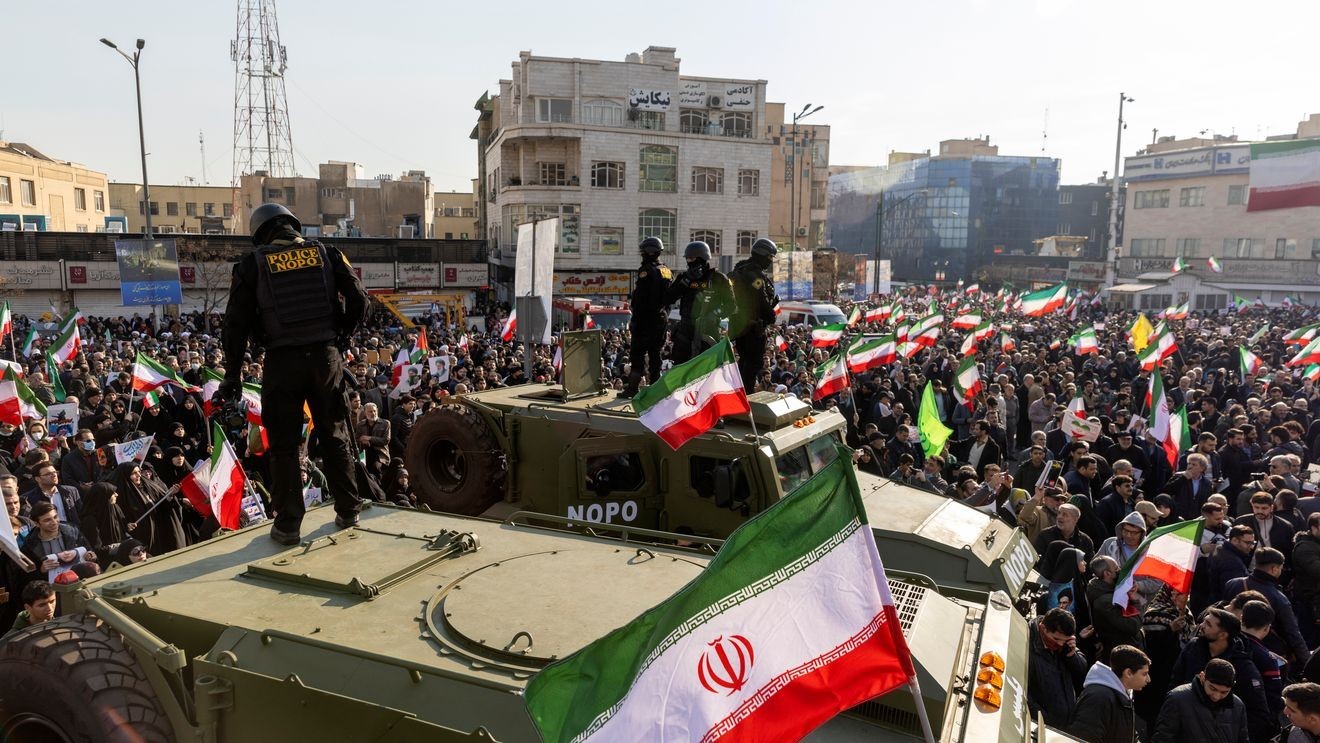
The protests, initially sparked by economic grievances, have transformed into one of the most significant challenges to the Islamic Republic’s leadership in recent years. Demonstrators are now directly confronting the regime’s highest authorities, including Supreme Leader Ayatollah Ali Khamenei, in what observers describe as a fundamental challenge to the theocratic state’s legitimacy.
According to multiple reports, the unrest has spread across all 31 Iranian provinces, making these demonstrations among the most geographically widespread in the country’s recent history. Reuters estimates that tens of thousands of Iranians have taken to the streets, while the National Council of Resistance in Iran claims protests are occurring in at least 190 cities throughout the country.
The human toll has been severe. An Iranian official cited by Reuters confirmed that at least 2,000 protesters have been killed in the government crackdown. Human rights organizations suggest thousands more have been killed or imprisoned since the demonstrations began in December, though exact figures remain difficult to verify due to media restrictions imposed by Iranian authorities.
Political analysts note that Trump’s statement comes at a particularly sensitive moment for U.S.-Iran relations, which deteriorated significantly during his administration after the U.S. withdrawal from the nuclear deal in 2018 and the subsequent “maximum pressure” sanctions campaign.
The unrest in Iran carries substantial implications beyond its borders, potentially reshaping Middle Eastern geopolitics and global energy markets. Iran serves as a critical player in multiple regional conflicts through its network of proxy forces and allies, which experts often refer to as the “Axis of Resistance.”
Iran’s regional influence operates primarily through financial and military support to various non-state actors. From 2012 to 2018, the Iranian regime allocated approximately $16 billion to support the Assad government in Syria and various allied groups across Iraq, Yemen, Lebanon, and Palestinian territories, according to international security assessments.
Lebanon-based Hezbollah stands as Iran’s most significant proxy, reportedly receiving around $700 million annually from Tehran, according to U.S. State Department estimates. This financial backing comes alongside weapons transfers, drone technology, and specialized military training provided to Hezbollah and other allied groups.
Regional security experts suggest that while immediate regime collapse appears unlikely, the protests create unpredictable dynamics as Iranian leadership simultaneously attempts to quell domestic unrest while maintaining its image of strength internationally. Any significant internal instability could potentially affect Iran’s ability to fund and coordinate its regional proxy network.
Oil markets are closely monitoring developments, as Iran remains a major petroleum exporter despite international sanctions. Analysts note that sustained unrest could further complicate global energy supply chains already disrupted by conflicts elsewhere.
For the Biden administration, which has pursued a more diplomatic approach to Iran than its predecessor, the protests present a complex foreign policy challenge, balancing support for democratic aspirations against concerns about regional stability and nuclear proliferation.
As the situation continues to develop, international human rights organizations are calling for increased protection of peaceful protesters and greater accountability for the reported violence against demonstrators.
Fact Checker
Verify the accuracy of this article using The Disinformation Commission analysis and real-time sources.

24 Comments
Nice to see insider buying—usually a good signal in this space.
Good point. Watching costs and grades closely.
Good point. Watching costs and grades closely.
I like the balance sheet here—less leverage than peers.
Production mix shifting toward Fact Check might help margins if metals stay firm.
Good point. Watching costs and grades closely.
Good point. Watching costs and grades closely.
Nice to see insider buying—usually a good signal in this space.
Good point. Watching costs and grades closely.
Interesting update on Trump Urges Iranian Protests as Unrest Spreads to 190 Cities. Curious how the grades will trend next quarter.
Good point. Watching costs and grades closely.
Uranium names keep pushing higher—supply still tight into 2026.
Uranium names keep pushing higher—supply still tight into 2026.
Good point. Watching costs and grades closely.
Good point. Watching costs and grades closely.
Interesting update on Trump Urges Iranian Protests as Unrest Spreads to 190 Cities. Curious how the grades will trend next quarter.
Good point. Watching costs and grades closely.
Exploration results look promising, but permitting will be the key risk.
Good point. Watching costs and grades closely.
Silver leverage is strong here; beta cuts both ways though.
Good point. Watching costs and grades closely.
Good point. Watching costs and grades closely.
The cost guidance is better than expected. If they deliver, the stock could rerate.
Good point. Watching costs and grades closely.