


Listen to the article
In a startling announcement that sent shockwaves through diplomatic and military circles, President Donald Trump declared his intention to resume nuclear weapons testing for the first time in over three decades. The statement came via his Truth Social platform just minutes before a high-stakes meeting with Chinese President Xi Jinping on October 30.
“I have instructed the Department of War to start testing our Nuclear Weapons on an equal basis,” Trump wrote, using his preferred terminology for the Department of Defense. “That process will begin immediately.”
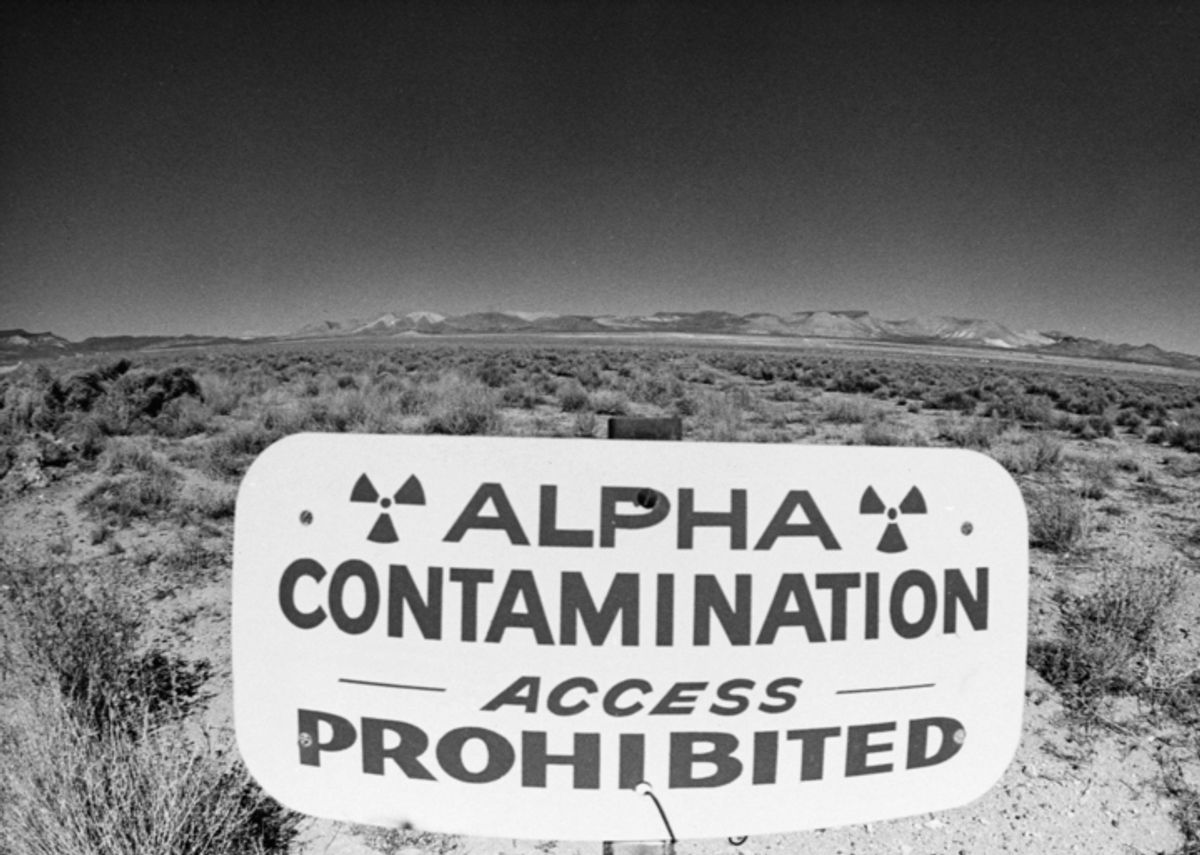
The unexpected announcement represents a dramatic shift in U.S. nuclear policy. The United States has not conducted an explosive nuclear test since 1992, when it ceased such activities following decades of underground detonations primarily at the Nevada Test Site (now known as the Nevada National Security Site).
In his social media statement, Trump framed the decision as a response to testing programs by other nations, though he did not specifically identify which countries’ activities had triggered this policy change. “Because of other countries testing programs, I have instructed the Department of War to start testing our Nuclear Weapons on an equal basis,” the president wrote.
Trump also highlighted his administration’s previous work on nuclear modernization during his first term, stating: “The United States has more Nuclear Weapons than any other country. This was accomplished, including a complete update and renovation of existing weapons, during my First Term in office.”
The president’s statement included an assessment of nuclear capabilities among major powers, claiming: “Russia is second, and China is a distant third, but will be even within 5 years.” This apparent concern about China’s growing nuclear arsenal comes at a particularly sensitive moment, coinciding with his meeting with President Xi.
Despite the declaration that testing would “begin immediately,” neither the Department of Defense nor the National Nuclear Security Administration (NNSA) had released any official statements confirming implementation plans as of this writing. The timing, location, and scope of any proposed tests remain unclear.
National security experts note that such a significant policy shift would typically involve extensive planning and coordination across multiple government agencies. Historically, explosive nuclear testing in the United States has been overseen not by the Department of Defense but by the NNSA, which operates under the Department of Energy.
The announcement raises numerous questions about regulatory compliance, environmental impact, and international treaty implications. The United States, while never ratifying the Comprehensive Nuclear-Test-Ban Treaty, has observed a testing moratorium for over 30 years as part of global non-proliferation efforts.
Arms control specialists have expressed concern that resuming nuclear tests could trigger a new arms race at a time of already heightened global tensions. Such a move could potentially prompt Russia, China, and other nuclear powers to conduct their own tests in response.
The administration has provided no details on whether these would be underground tests similar to those conducted previously in Nevada, atmospheric tests (which have been banned by international treaty since 1963), or some form of subcritical testing that doesn’t produce a nuclear chain reaction.
When reached for comment regarding the location, timeline, and potential public impact of the proposed testing, neither the Defense Department nor the NNSA had responded as of publication time.
The sudden announcement follows a pattern of significant policy shifts delivered via social media during Trump’s presidency, often catching both government agencies and international allies by surprise. Whether this declaration will translate into actual nuclear tests remains to be seen, as implementing such a dramatic change to decades-old policy would involve numerous legal, diplomatic, and logistical hurdles.
Fact Checker
Verify the accuracy of this article using The Disinformation Commission analysis and real-time sources.

10 Comments
While I understand the desire to keep up with other nations’ nuclear programs, restarting testing seems like a risky and provocative move. There must be diplomatic solutions to address these concerns without ratcheting up the nuclear arms race.
This is a very troubling announcement. Restarting nuclear testing would be a significant escalation and undermine decades of progress on arms control and nonproliferation. I hope the administration will reconsider this decision.
Agreed. Nuclear testing is an extremely risky and destabilizing activity. The US should seek diplomatic solutions rather than unilaterally resuming such a provocative program.
Nuclear weapons testing is an extremely dangerous activity with far-reaching consequences. I’m skeptical that this is the best approach, and I worry it could trigger a new nuclear arms race. The administration should exhaust all other options before considering this step.
This announcement is deeply troubling. Restarting nuclear testing would be a major setback for nonproliferation efforts and global security. I hope the administration will reconsider and find alternative ways to address any concerns about other countries’ programs.
This is a concerning development. Resuming nuclear weapons testing would be a major escalation and undermine global stability. I hope the administration reconsiders this decision and maintains the testing moratorium.
This announcement is very concerning. Resuming nuclear weapons testing would be a major setback for global stability and undermine decades of hard-won arms control agreements. I hope the administration will reconsider this decision and find alternative ways to address its concerns.
Resuming nuclear weapons testing would be a highly destabilizing move. The testing moratorium has been a crucial part of efforts to limit the spread of nuclear weapons. I’m concerned this decision could have severe geopolitical ramifications.
I agree, the risks of restarting testing seem to far outweigh any potential benefits. The international community should pressure the US to maintain the testing ban.
Restarting nuclear testing is a dangerous and irresponsible move. It would severely damage US credibility on nonproliferation and risk sparking a renewed arms race. I urge the administration to reconsider this decision for the sake of global security.