


Listen to the article
AI-Generated Video Falsely Links Trump to Epstein Files
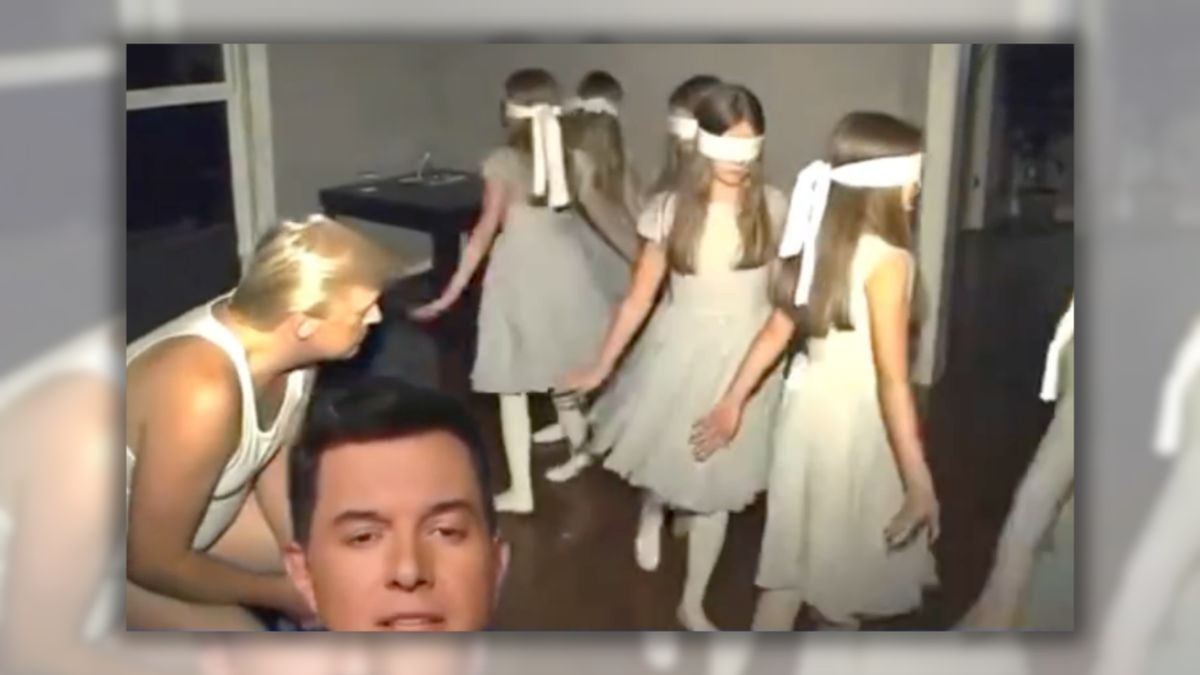
Misinformation circulating on social media platforms claimed to show former President Donald Trump watching blindfolded girls in a room, with posts asserting the footage originated from Department of Justice files related to Jeffrey Epstein. However, a comprehensive investigation reveals the image comes from an AI-generated video and has no connection to official Epstein documents.
The fabricated image began spreading across Facebook, X (formerly Twitter), and Threads in February 2026, often accompanied by inflammatory captions. One Facebook post claimed: “I’ve been posting things from the Epstein files and I’m not sure that people are absorbing the horrible things that have been done to children… Here’s a photo of ‘him’ in his underwear and wife-beater watching little, blindfolded girls paraded in front of him.”
Reverse image searches traced the still image to a 23-second video compilation first posted by Facebook user Dr. Tahir Sargana on February 10, 2026. The video features what appears to be NBC News presenter Tom Llamas introducing a series of clips, though without any actual audio of the journalist speaking.
Digital forensic analysis of the video reveals multiple telltale signs of artificial intelligence manipulation. In the segment supposedly showing Trump, several blindfolded girls can be seen morphing unnaturally — at one point, a single figure appears to transform into three separate individuals, a known artifact of AI-generated content.
The video also contains other AI-generated scenes, including one purporting to show Epstein leading children from a room. This sequence displays obvious technical flaws, including a girl whose shoes morph unnaturally when moving, at one point showing three feet instead of two.
Further investigation found no evidence linking the fabricated content to the official Department of Justice Epstein files. The Free Press, which compiled 14 hours of authentic video material from the Epstein files into two comprehensive videos, contains no footage matching the AI-generated scenes being shared online.
This fabrication emerges amid heightened public interest in the Epstein case following the DOJ’s January 2026 release of approximately 3.5 million pages of documents related to its investigation of the disgraced financier. Epstein died by suicide in 2019 while awaiting trial on sex trafficking charges.
Digital misinformation experts note that AI-generated content has become increasingly sophisticated and concerning, particularly when weaponized for political purposes. The emergence of this fabricated content illustrates how readily artificial intelligence can be deployed to create false narratives that exploit public interest in high-profile cases.
NBC News has not commented on the unauthorized use of Tom Llamas’s likeness in the manipulated video. Attempts to contact the social media users who originally shared the video to determine its source have been unsuccessful.
This incident highlights the growing challenge of AI-generated misinformation during a politically charged election cycle. Digital literacy experts emphasize the importance of scrutinizing sensational claims, particularly when they lack verifiable sources or exhibit technical irregularities that suggest artificial manipulation.
Fact-checking organizations continue to monitor claims related to the Epstein files as public interest in the case remains high and the volume of both authentic and fabricated content continues to grow across social media platforms.
Fact Checker
Verify the accuracy of this article using The Disinformation Commission analysis and real-time sources.

11 Comments
It’s disheartening to see how easily false narratives can gain traction, especially when they involve public figures. I’m grateful for the thorough investigation that was able to uncover the truth behind this fabricated image. This underscores the need for greater media literacy and a more discerning public.
I appreciate the detailed work done to trace the origins of this fabricated image and clarify the misconceptions. It’s a sobering reminder of the challenges we face in the digital age when it comes to separating truth from fiction. We all have a responsibility to be more discerning and hold ourselves and others accountable for the information we share.
While I’m glad the investigation was able to debunk this false claim, it’s troubling to see how quickly and widely misinformation can spread online these days. We need to be more proactive in promoting media literacy and fact-checking to combat the proliferation of fabricated content.
This appears to be another case of misinformation and manipulated media. It’s concerning to see such fabricated content being spread, especially around sensitive issues. I hope the public can learn to be more discerning and verify information before sharing.
This is a concerning example of how manipulated media can be used to spread harmful narratives. I appreciate the detailed investigation that uncovered the true origins of this fabricated image. It’s a good reminder of the importance of media literacy and critical thinking.
Absolutely. It’s crucial that we all remain vigilant and do our due diligence to separate fact from fiction, especially when it comes to sensitive topics. This case highlights the need for greater media education and fact-checking efforts.
This is a prime example of the dangers of unchecked misinformation in the digital age. I commend the diligence of the investigators in tracing the origins of this manipulated image and setting the record straight. It’s a valuable lesson in the importance of verifying claims before sharing them.
This case highlights the urgent need for stronger safeguards against the spread of misinformation and manipulated media. While I’m relieved the investigation was able to debunk this claim, it’s concerning to see how quickly such false narratives can proliferate online. We must do more to promote critical thinking and fact-checking.
This is a worrying example of how easily misinformation can spread, especially when it involves high-profile individuals. I’m glad the investigation was able to uncover the true nature of this manipulated image. It’s a call to action for all of us to be more vigilant about fact-checking and not readily accepting sensational claims at face value.
It’s disappointing to see how easily false narratives can spread online these days. I’m glad the investigation was able to trace the origins of this image and clarify the misconceptions. We need to be vigilant about fact-checking claims, especially those involving public figures.
Agreed. In the age of digital media, it’s crucial that people take the time to verify sources and not simply accept sensational claims at face value. Fact-checking is essential to combat the spread of misinformation.