


Listen to the article
False Video of Trump with Blindfolded Children Debunked as AI-Generated Hoax
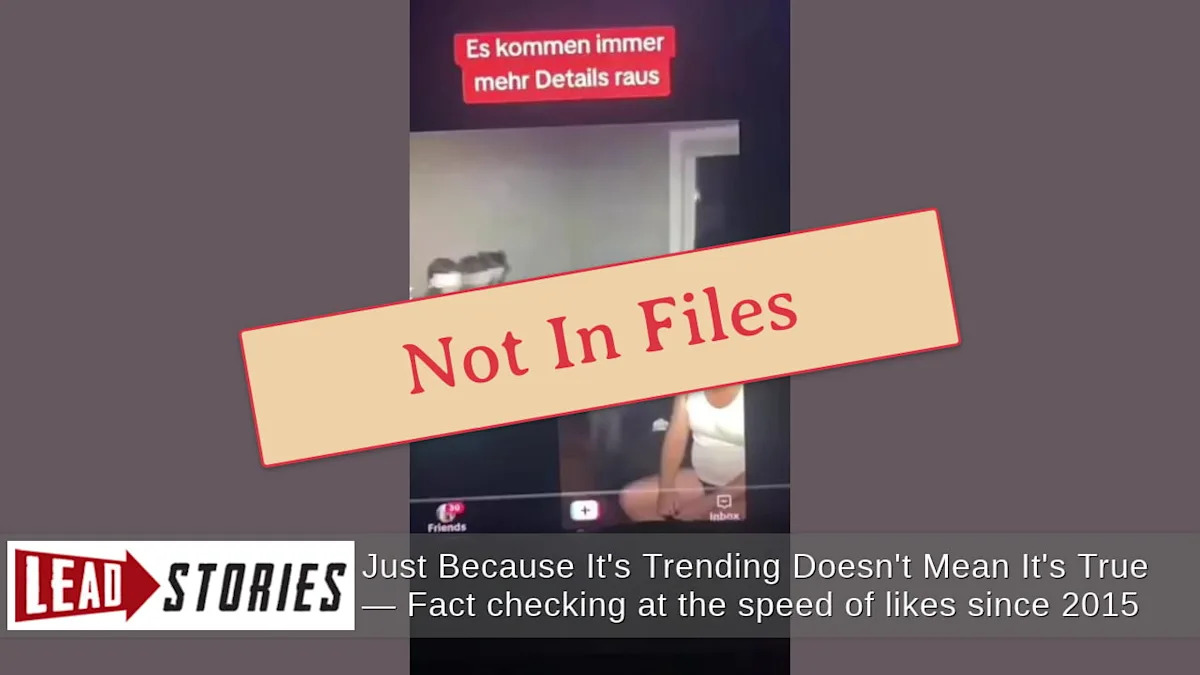
A video circulating on social media falsely claiming to show former President Donald Trump with blindfolded children has been debunked as an AI-generated fabrication. The footage, which purportedly came “out of the Epstein files,” combines manipulated images of Trump, Jeffrey Epstein, and unidentifiable children in a sophisticated but fake composite.
The misleading content appeared on March 2 on the X platform from account @GPX_News with a provocative caption in German stating, “Es kommen immer mehr Details raus” (More and more details are emerging). The post suggested this was evidence of criminal activity and claimed “this is a mild video” with “worse ones” yet to be released.
Digital forensic analysis reveals multiple telltale signs of artificial intelligence manipulation throughout the video. Though AI detection tools couldn’t definitively confirm its artificial nature—a known limitation of current detection technology—experts point to several revealing inconsistencies.
The children depicted have no distinguishable facial features, a common characteristic of AI-generated imagery. More tellingly, at one point in the footage, a single girl walking in line appears to multiply into three girls—a glaring technical artifact typical of AI generation. Another section shows an arm with unnaturally elongated fingers, another common AI error when rendering human anatomy.
The video appears to be a screen recording of another video with a partially visible TikTok watermark from a user named “MortenSivertsen262.” Investigators found that no such account currently exists on TikTok, though a similar account “MortenSivertsen” does exist but does not contain the video in question.
Various versions of this manipulated content have spread across multiple platforms, including Facebook, where users have reposted it with similar misleading claims. One version posted by Facebook user DrTahirSargana on February 10 shows the same multiplication error with the children.
Notably, no credible news organizations have reported on such footage from the Department of Justice’s released Epstein files. Extensive searches through Google News and Yahoo! News archives returned only fact-checks debunking similar fabricated content, but no legitimate reporting that would corroborate the existence of such explosive material.
The video contains what appears to be archival footage of Trump and Epstein spliced with the AI-generated content of children. Epstein’s face in the video subtly shifts and changes shape throughout the footage—another common artifact of AI-generated media.
This fabrication comes amid heightened public interest in documents related to Jeffrey Epstein, the financier who died in prison in 2019 while facing sex trafficking charges. In January 2024, a federal judge ordered the release of previously sealed court documents related to Epstein’s case, which has sparked numerous conspiracy theories and misinformation.
Digital misinformation experts warn that AI-generated content is becoming increasingly sophisticated and harder to detect, particularly when it combines real archival footage with fabricated elements. This type of manipulated media, sometimes called “deepfakes,” poses significant challenges during election years when misinformation typically proliferates.
Social media platforms continue to struggle with the rapid spread of such content despite policies against misinformation. This particular video had already gained significant traction before fact-checkers could analyze and debunk it.
Authorities stress that if such damning evidence existed in the officially released Epstein files, it would have triggered immediate legal action and widespread mainstream media coverage, neither of which has occurred.
Fact Checker
Verify the accuracy of this article using The Disinformation Commission analysis and real-time sources.

11 Comments
While I’m disturbed by the nature of this fabricated video, I’m glad it has been quickly debunked. We must remain vigilant against the spread of manipulated media, especially involving sensitive topics like this.
You’re right, the ability of AI to create such realistic-looking fakes is truly alarming. Fact-checking and critical thinking will be essential skills going forward to combat the rising tide of online misinformation.
This is a concerning example of how easily misinformation can spread in the digital age. We must be extremely cautious about believing or sharing unverified claims, no matter how convincing they may appear.
This is a concerning example of how misinformation and disinformation can proliferate online. We must be extremely cautious about believing or sharing unverified claims, no matter how convincing they may appear.
This ‘video’ seems highly suspicious and fabricated. It’s concerning how easily misleading content can spread online these days. We need to be very cautious about believing unverified claims, especially those involving sensitive topics like this.
I agree, the lack of identifiable features and other inconsistencies point to this being an AI-generated hoax. It’s crucial we rely on credible, fact-based sources and not get drawn into spreading potentially harmful disinformation.
While I’m disturbed by the nature of this false video, I’m glad it has been swiftly exposed as an AI-generated hoax. We must remain vigilant against the proliferation of manipulated media, especially on sensitive issues.
I appreciate the thorough debunking of this fabricated video. It’s a sobering reminder of the need for rigorous fact-checking and media literacy, especially when it comes to sensitive topics like this.
Agreed. The ability of AI to generate such realistic-looking but completely fabricated content is truly worrying. We’ll need to be increasingly vigilant against the spread of manipulated media going forward.
While I’m glad this video has been debunked, it’s troubling to see how such sophisticated fakes can be created and shared so easily. We must remain vigilant against the spread of manipulated media, especially on sensitive topics.
Absolutely. The ability of AI to generate realistic-looking but completely fabricated content is a major challenge we’ll have to grapple with. Fact-checking and media literacy will be crucial going forward.