


Listen to the article
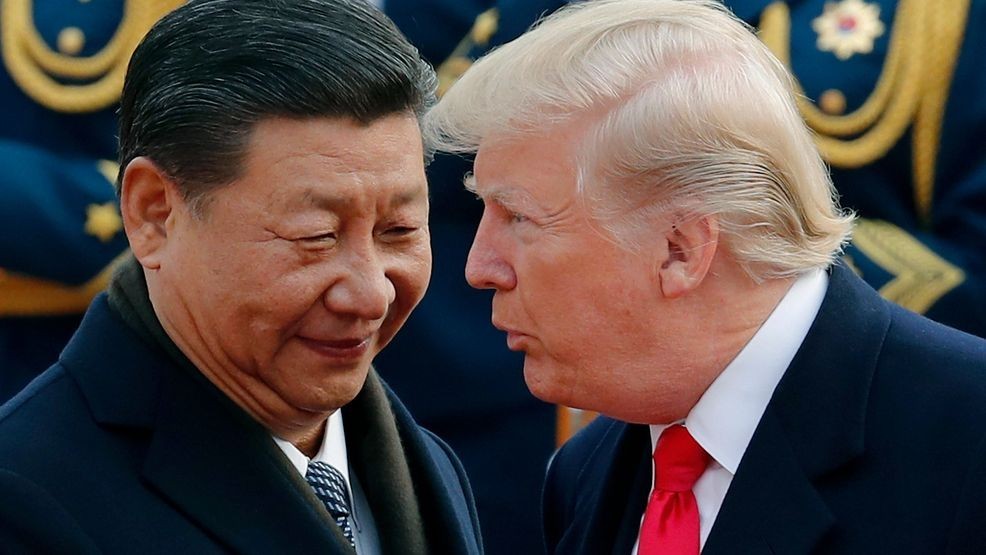
In their first face-to-face encounter since 2019, President Donald Trump and Chinese President Xi Jinping are meeting today to address escalating tensions over trade and security issues. The high-stakes talks come after nearly four years without an in-person meeting, though the leaders have spoken by phone twice this year.
Economic concerns dominate the agenda as the November 1 deadline approaches, when President Trump has threatened to impose punitive 100% tariffs on Chinese imports if no trade agreement is reached. The threat represents a significant escalation in the ongoing trade dispute between the world’s two largest economies.
China has responded with strategic countermeasures, tightening export controls on rare earth elements—critical components for technologies ranging from smartphones to military equipment. The Brookings Institution analysis indicates Trump’s negotiating position centers on three key demands: increased access to China’s rare earth supplies, stricter controls on fentanyl precursor chemicals, and commitments to purchase American soybeans.
The potential economic fallout from failed negotiations could reverberate through global supply chains, particularly impacting technology manufacturing and agricultural exports. Market analysts have warned that new tariffs could further exacerbate inflation pressures in the United States while potentially triggering retaliatory measures from Beijing.
Meanwhile, security implications hover over the discussions, particularly regarding Taiwan. Officials in Taipei have expressed concern about becoming a bargaining chip in U.S.-China negotiations. However, Taiwan’s foreign minister has publicly stated that ties with the United States remain “very stable” ahead of the talks, according to Reuters reporting, suggesting confidence in continued American support despite the high-stakes diplomacy.
The meeting takes place against a backdrop of Xi’s increasingly assertive international diplomacy. Last month, the Chinese president hosted Russian President Vladimir Putin in Beijing, where the two leaders reinforced their strategic partnership. Putin characterized China as a “dear friend” during the visit, according to Associated Press reports, highlighting the growing alignment between Moscow and Beijing.
The talks yielded substantial energy agreements, including endorsement of the Power of Siberia 2 gas pipeline project. Once completed, this massive infrastructure initiative will transport up to 50 billion cubic meters of natural gas annually from Russia to China via Mongolia, according to Reuters. The energy partnership represents a significant economic lifeline for Russia amid Western sanctions and provides China with a secure energy supply independent of maritime shipping routes.
Xi’s diplomatic calendar has been particularly active in recent months. China hosted the 2025 Shanghai Cooperation Organisation Summit in late August, where Xi emphasized strengthening ties across Eurasia. The summit underscored China’s ambitions to reshape regional security frameworks and economic cooperation mechanisms.
In a symbolic display of diplomatic solidarity, Beijing’s recent parade commemorating the 80th anniversary of World War II’s conclusion in the Asia-Pacific featured both Putin and North Korean leader Kim Jong Un in attendance. The presence of these leaders at such a historically significant event demonstrated China’s ability to foster relationships with countries at odds with Washington.
These strategic partnerships provide China with substantial negotiating leverage in today’s meeting with Trump. Xi approaches the table not merely as the leader of America’s largest trading partner but as the center of an alternative network of international relationships that challenge U.S. global influence.
As both presidents navigate complex economic and security issues, the outcome of today’s meeting could significantly impact not only bilateral relations but also the broader international order. With tariff deadlines looming and global markets watching closely, the stakes for both nations—and the world economy—could hardly be higher.
Fact Checker
Verify the accuracy of this article using The Disinformation Commission analysis and real-time sources.

20 Comments
The Brookings Institution analysis provides helpful context on the key issues. Controlling fentanyl precursors and rare earth elements are high priorities for the US.
That’s a good point. Those strategic material issues could have major implications for industries like mining and energy.
This meeting will be closely watched around the world. The decisions made here could have major geopolitical and economic implications.
Definitely. The outcome of these talks will reverberate through global supply chains and impact industries like mining and energy.
Trump’s demands for increased rare earth access and soybean purchases seem like hard bargaining positions. It will be interesting to see how much compromise they can achieve.
Agreed, rare earths are a strategic vulnerability that both sides will want to address. Finding the right balance will be key.
It will be interesting to see if Trump and Xi can reach any concrete agreements or if this meeting is more about laying the groundwork for future negotiations.
Agreed. Even if no final deal is reached, establishing open communication channels will be important to avoid further escalation.
This meeting between Trump and Xi will be crucial for the global economy. Rare earth elements and trade tensions are key issues that could have major impacts on mining and energy sectors.
Agreed, the rare earth supply chain is a critical strategic concern that needs to be addressed.
The potential economic fallout from failed negotiations is concerning. Disruptions to global supply chains could have ripple effects across many sectors.
Absolutely, industries like mining, metals, and energy would be particularly vulnerable to trade conflicts and supply chain issues.
The fentanyl precursor chemical issue is an important public health concern that should be part of the negotiations. Controlling those exports could have ripple effects in the drug trade.
Good point. That’s a complex problem with national security implications beyond just the economic factors.
The escalating trade dispute and threats of tariffs are worrying. I hope they can find a diplomatic solution that works for both the US and China.
Absolutely. Unchecked trade tensions could disrupt global supply chains and hurt industries like mining and energy.
This meeting could set the tone for US-China relations in the years ahead. With so much at stake, I hope they can find common ground and avoid further escalation.
Definitely. De-escalating trade tensions is crucial to maintain stability in global markets and supply chains.
While the political tensions are high, I hope both sides can approach this meeting with a spirit of pragmatism and a willingness to compromise.
Well said. Finding common ground on key issues like rare earths and trade will be crucial for maintaining stability.