


Listen to the article
In a recent social media debate, health experts are challenging the notion that household chores alone provide sufficient exercise for maintaining physical fitness. The conversation was sparked by a viral Instagram reel that has garnered over 360,000 views, where dietician Bhawesh Gupta critiques the idea that kitchen work can replace structured exercise routines.
The viral content shows a woman demonstrating “smart ways” to incorporate fitness into daily kitchen tasks – sitting in yoga positions while cutting vegetables, performing calf raises while cooking, and practicing mindful breathing during cleaning. However, Gupta argues these activities provide minimal fitness benefits compared to dedicated exercise.
“Instead of these useless activities, if you simply walk continuously in the kitchen for 10 minutes, you will burn more calories,” Gupta states in his response. He acknowledges the reality of many Indian households, where women often dedicate their entire day to domestic responsibilities, leaving little time for formal exercise.
Despite this time constraint, Gupta emphasizes that health should remain a priority. “To avoid lifestyle diseases, at least 30 minutes of physical activity is compulsory for everyone,” he insists, recommending alternatives like fitness trackers to ensure 10,000 daily steps and using basic home equipment for strength training.
Scientific research supports Gupta’s position. A cross-sectional study found that domestic activities account for approximately 35% of self-reported moderate-to-vigorous physical activity among adults, particularly women and older adults. However, these activities showed a negative association with leanness, suggesting they may not provide all the benefits associated with meeting standard physical activity guidelines.
Professor Marie Murphy, who led the study, noted, “Housework is physical activity and any physical activity should theoretically increase the amount of calories expended. But we found that housework was inversely related to leanness, which suggests that either people are overestimating the amount of moderate intensity physical activity they do through housework, or are eating too much to compensate for the amount of activity undertaken.”
Global health organizations, including the World Health Organization, recommend adults aim for at least 150 minutes of moderate-intensity aerobic activity weekly to reduce chronic disease risk. This level of activity typically requires dedicated exercise sessions rather than intermittent household tasks.
Medical professionals further clarify the distinction between daily physical exertion and structured exercise. An expert from Zandra Healthcare explains that exercise is a “conditioned activity that improves muscle function, glucose utilization and mitochondrial efficiency,” providing benefits that fragmented household activities cannot match.
“When we talk about exercise, it means performing a specific activity for a defined duration,” the expert elaborated. “It conditions blood circulation, strengthens muscles and improves the functioning of vital organs. Breaking activity into very short bursts does not give the same physiological benefits.”
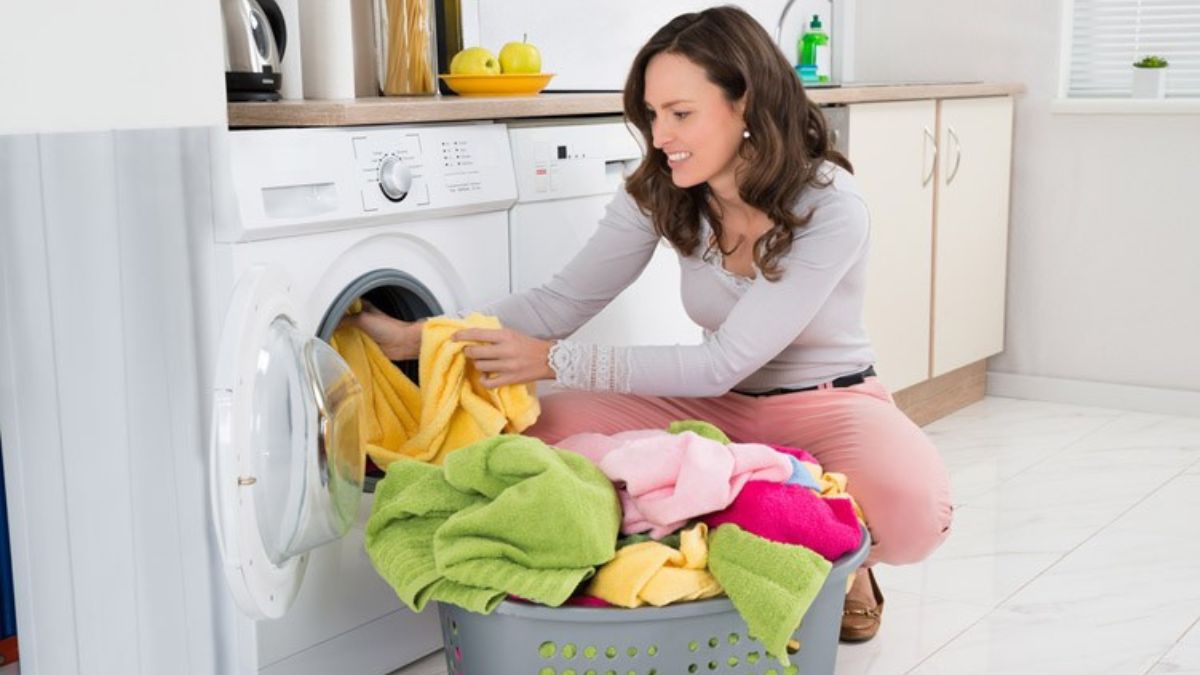
The calorie-burning difference is also significant. While household chores like laundering or sweeping may burn approximately 50-60 calories, effective aerobic exercise typically aims to burn 150-250 calories per session. This level usually requires activities such as 30-40 minutes of brisk walking, 15-20 minutes of swimming, or 40-50 minutes of cycling.
Health professionals also stress the importance of combining aerobic activity with strength training at least two to three times weekly for complete fitness benefits. Resistance training is essential for muscle strength and metabolic health – aspects that domestic work rarely addresses adequately.
This doesn’t mean household activities are without value. Any movement contributes to overall energy expenditure and helps reduce sedentary time. Small movements like calf raises can activate muscles that use oxygen efficiently and help burn glucose. However, these should be viewed as supplements to, not replacements for, structured exercise.
As the online debate continues, the consensus among health experts remains clear: while household chores contribute to daily activity levels, they generally lack the intensity, duration, and consistency needed to meet recommended fitness standards and prevent lifestyle diseases effectively.
Fact Checker
Verify the accuracy of this article using The Disinformation Commission analysis and real-time sources.

8 Comments
This is an interesting debate. The study seems to highlight the limitations of relying solely on household chores for fitness, even if they do involve some physical activity. Dedicated exercise regimens appear to be necessary for optimal health outcomes.
The viral reel shows some creative ways to sneak in a bit of exercise during daily tasks, but the expert’s point is well-taken. Those activities likely don’t provide enough of a cardiovascular or strength-building stimulus to truly maintain fitness. Dedicated workouts are still crucial.
Agreed. Household chores can complement an exercise routine, but they shouldn’t be viewed as a replacement. Finding a balance between the two is important for overall health and wellness.
Interesting perspective. While household chores do have some physical benefits, the study highlights the importance of dedicated exercise routines for maintaining overall fitness. Finding that balance between daily tasks and structured workouts is key.
I agree. Household chores alone may not provide the level of cardiovascular, strength, and flexibility training needed for optimal health. Carving out time for regular exercise is crucial, even with a busy schedule.
This is a common misconception. Just because an activity involves physical movement doesn’t necessarily mean it’s an effective workout. The study makes a fair point – structured exercise is important for building and maintaining fitness levels.
Absolutely. Simple tasks like walking or doing calisthenics during household chores can help, but they don’t replace the benefits of a dedicated exercise regimen. Finding ways to incorporate both into a daily routine is ideal.
I can see both sides of this. While household chores do involve some physical activity, the study highlights the limitations in terms of intensity, duration, and overall fitness benefits. It’s a good reminder that a comprehensive exercise plan is still necessary.