


Listen to the article
The Philippines has not experienced any devastating magnitude 8+ earthquakes this month, despite viral social media claims suggesting otherwise, according to official seismological data.
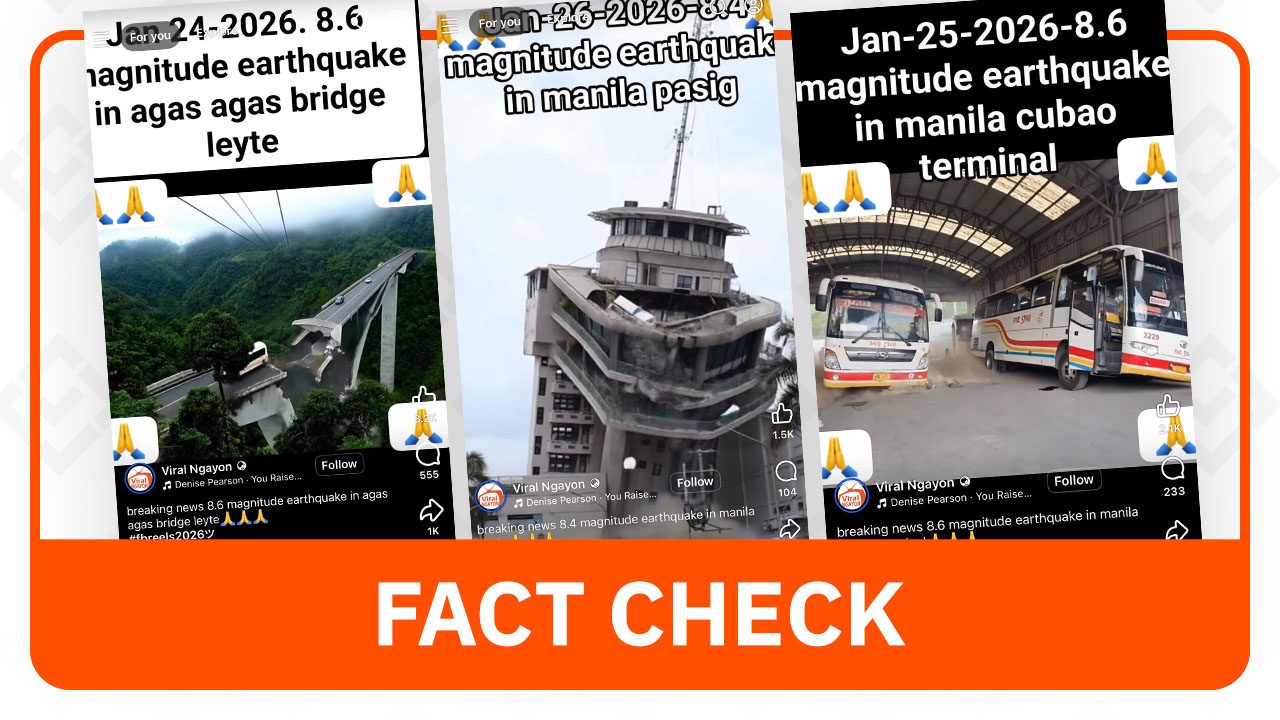
Multiple videos circulating on Facebook since late January have falsely depicted catastrophic earthquakes allegedly striking various locations across the Philippines, including Pasig City, Quezon City, and Leyte province. These posts, shared by a page called “Viral Ngayon,” claim to show earthquakes reaching magnitudes of 8.4 and 8.6, generating hundreds of thousands of views and thousands of engagements.
The Philippine Institute of Volcanology and Seismology (Phivolcs) data directly contradicts these claims. As of January 29, the strongest actual seismic event recorded this month was a magnitude 5.9 earthquake that struck Sultan Kudarat on January 28—significantly weaker than the fabricated events portrayed in viral videos.
Experts note that an earthquake of magnitude 8.4 or higher would represent an unprecedented disaster in Philippine history. The country’s strongest recorded earthquake occurred in 1976 when the Moro Gulf earthquake, measuring magnitude 8.0, devastated parts of Mindanao. That historic event and its resulting tsunami killed approximately 8,000 people, injured 10,000 others, and displaced about 90,000 residents, according to records from the Bangsamoro Autonomous Region in Muslim Mindanao government.
Digital forensic analysis revealed the deceptive nature of the viral content. When screenshots from the viral videos were analyzed using DeCopy’s AI image detection software, they showed a 76% probability of being artificially generated rather than authentic footage. This confirms the videos were created using artificial intelligence tools designed to mimic real disaster footage.
The Facebook page behind the false claims has established a pattern of sharing various fabricated disaster content, including earthquakes, fires, and tsunamis—likely aimed at generating engagement through fear. One video claiming to show a magnitude 8.4 earthquake in Pasig City garnered over 115,000 views since being posted on January 26. Another video featuring an alleged magnitude 8.6 earthquake in Leyte received even greater attention, with more than 434,000 views since January 27.
Phivolcs has consistently warned the public to remain vigilant against unverified social media posts about natural disasters. While the agency has previously developed models showing what could happen in a worst-case magnitude 8.4 earthquake scenario triggered by movement along the Manila Trench, no such event has occurred.
This incident is not isolated. Similar AI-generated disaster videos have previously been debunked by fact-checkers, highlighting a concerning trend in the use of artificial intelligence to create convincing but entirely fabricated disaster footage.
The spread of these false earthquake reports underscores the growing challenge of misinformation powered by advanced AI tools, particularly when depicting disasters that can cause public panic. Authorities continue to urge citizens to verify information through official channels and report suspicious content to appropriate fact-checking organizations.
Fact Checker
Verify the accuracy of this article using The Disinformation Commission analysis and real-time sources.

8 Comments
I appreciate the detailed analysis in this fact check. Maintaining trust in official data sources like Phivolcs is so important, especially when it comes to natural disasters. It’s disheartening to see fabricated videos gaining traction, but I’m glad they’re being called out.
This is a really important fact check. Earthquake preparedness and response requires accurate information, not false alarms. I’m glad the Disinformation Commission is working to correct the record and prevent the spread of misinformation on these critical issues.
Good to see the Disinformation Commission debunking these misleading earthquake videos. It’s concerning how easily false information can spread on social media these days. Fact-checking is crucial to prevent the spread of misinformation, especially around natural disasters.
Excellent fact-checking work here. It’s troubling to see these kinds of exaggerated earthquake videos spreading online, but I’m glad the Disinformation Commission is on the case. Relying on official data is crucial, especially for natural disasters that can have such devastating impacts.
Thanks for highlighting this fact check. It’s worrying how easily fabricated videos can go viral and mislead people. I’m glad the Disinformation Commission is actively working to counter the spread of misinformation, especially around important public safety issues like natural disasters.
I appreciate the in-depth investigation into these dubious earthquake videos. It’s a good reminder to be skeptical of unverified claims, especially those that seem exaggerated or sensationalized. Phivolcs provides the authoritative data on seismic activity in the Philippines.
Interesting fact check on those exaggerated earthquake videos. It’s important to rely on official data from trusted sources like Phivolcs rather than unverified social media claims. A magnitude 8+ quake would indeed be catastrophic, but thankfully that didn’t occur in the Philippines this month.
Kudos to the Disinformation Commission for debunking these false earthquake claims. It’s crucial that people can rely on accurate, verified information, especially during emergencies. Fact-checking is an essential service to combat the flood of misinformation online.