


Listen to the article
U.S. Ready to Protect Vital Oil Shipping Lane as Iran Tensions Rise
The White House has announced that the United States is prepared to protect commercial shipping through the Strait of Hormuz as tensions with Iran continue to escalate. This narrow waterway serves as one of the world’s most critical energy chokepoints, with significant implications for global oil markets and consumer prices.
According to the U.S. Energy Information Administration (EIA), oil flows through the Strait of Hormuz averaged approximately 20 million barrels per day in 2024, representing roughly 20 percent of global petroleum liquids consumption. The strategic importance of this maritime passage means that any instability in the region triggers immediate market reactions.
Recent developments have already impacted global energy markets. Reuters reported that at least three tankers were damaged in the Gulf as the conflict intensified, fueling concerns about potential disruptions to energy shipments. On Tuesday, Brent crude oil settled at $81.40 per barrel, climbing 4.7 percent in a single day as traders factored in heightened supply risks.
These market movements have direct consequences for American consumers. Fuel price tracking service GasBuddy has warned of an imminent price increase at the pump. Analyst Patrick De Haan suggested that U.S. drivers could face a 10 to 30 cent per gallon jump in gasoline prices in the near term.
The potential disruption of shipping through the Strait would have far-reaching consequences beyond the Gulf region. While most oil transiting through Hormuz is destined for Asian markets, with China and India among the largest recipients, the impact would reverberate throughout the global energy market.
Though the United States has achieved significant energy production capacity domestically, it remains connected to the global energy market. The EIA estimates that only about 2 percent of total U.S. petroleum liquids consumption (and approximately 7 percent of total U.S. crude oil imports) passes through the Strait of Hormuz. Nevertheless, global price movements still significantly influence American energy costs.
Despite recurring tensions in the region, the Strait of Hormuz has never experienced a complete, sustained closure in modern history. A report from the Columbia Center on Global Energy Policy notes that Iran has repeatedly threatened to disrupt shipping through the waterway, but a prolonged shutdown has never materialized. Even during major conflicts, maritime traffic has continued, albeit under heightened risk conditions.
The most serious threat to shipping in the region occurred during the 1980s “Tanker War” phase of the Iran-Iraq conflict. During this period, vessels were attacked and damaged, but shipping operations never ceased entirely.
The historical response to such threats has been the implementation of naval escort operations. In March 1987, the U.S. agreed to transfer Kuwaiti tankers to American registry, and by July of that year, the U.S. Navy had launched Operation Earnest Will to provide naval escorts for tankers traversing the Persian Gulf. This strategy focused on maintaining open shipping routes even in high-threat environments.
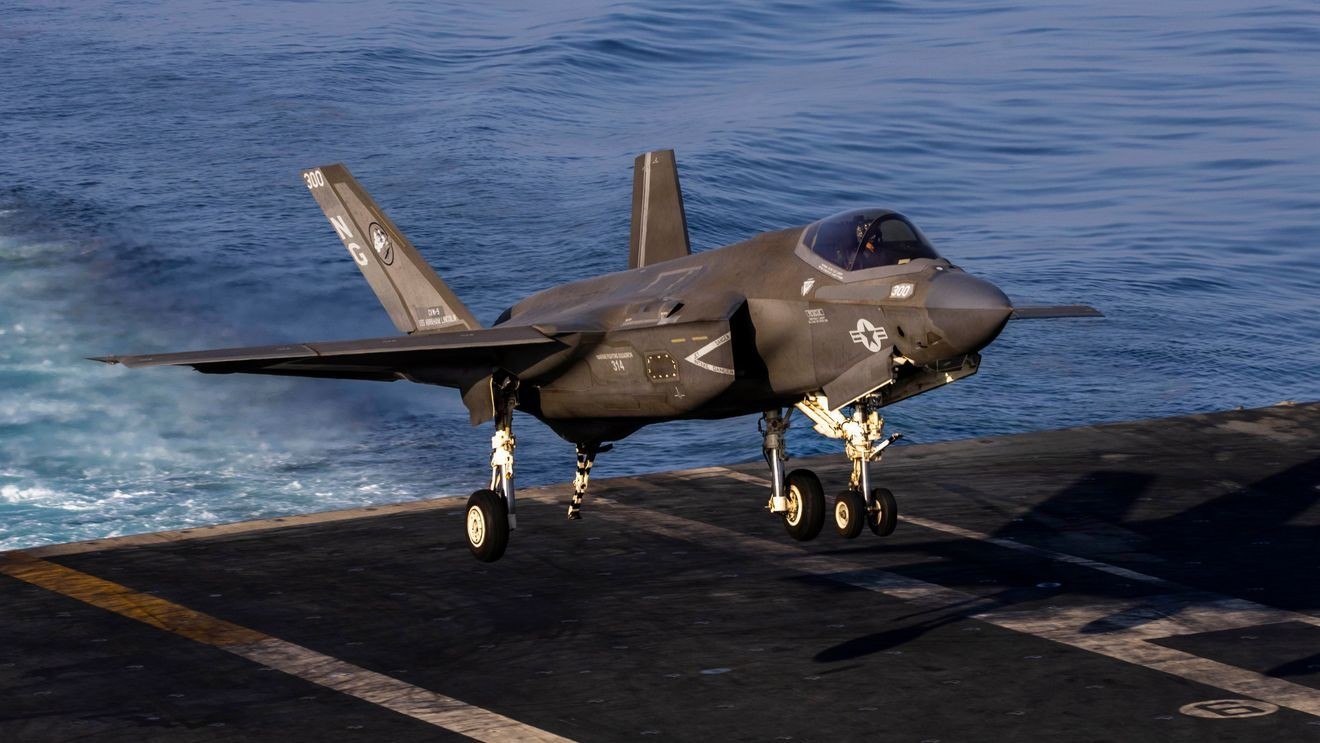
President Trump has indicated a willingness to employ similar tactics today, stating that the U.S. Navy would escort tankers through the Strait of Hormuz if necessary. This approach reflects a continuation of the security strategy employed during previous periods of heightened tension in the region.
Even without a formal closure of the Strait, the EIA points out that the mere risk of attacks can drive up shipping and insurance costs, potentially constraining supply and pushing prices higher. This underscores the delicate balance between geopolitical tensions and global energy markets, with direct implications for consumers worldwide.
As the situation develops, energy analysts and market observers will be closely monitoring both diplomatic efforts to reduce tensions and military preparations to secure this vital maritime corridor that remains essential to global energy security.
Fact Checker
Verify the accuracy of this article using The Disinformation Commission analysis and real-time sources.

10 Comments
This is a prudent move by the US to secure a strategically important energy transit route. Disruptions to oil shipments through the Strait of Hormuz could have far-reaching impacts on global energy markets and consumer prices.
Maintaining the free flow of energy supplies through this chokepoint is a geopolitical priority. Heightened security measures are necessary to mitigate the risks.
Tensions in the Strait of Hormuz are clearly escalating, and the US is right to take measures to protect commercial shipping. Ensuring the uninterrupted flow of oil through this strategic chokepoint is vital for global energy markets and consumer prices.
This is a delicate and complex situation that requires a measured response. The US must carefully navigate the geopolitical landscape to maintain security in the region.
The Strait of Hormuz is a flashpoint for potential conflict. I’m concerned about the escalating tensions in the region and the potential for further disruptions to oil shipments. Increased US protection for commercial shipping is a sensible precaution.
Securing this critical energy transit route is crucial for global energy markets and economic stability. The US must tread carefully to avoid further escalation.
The Strait of Hormuz is a critical chokepoint for global energy supplies. Protecting commercial shipping in this volatile region is essential to maintain stability in oil markets and prices. I’m curious to see how the US plans to bolster security and deter potential disruptions.
Safeguarding this vital maritime passage is crucial for the world economy. Escalating tensions in the region make this a delicate balancing act for policymakers.
The strategic importance of the Strait of Hormuz cannot be overstated. Any disruption to oil shipments through this chokepoint would have severe consequences for the global economy. I’m glad to see the US taking steps to protect commercial shipping in the region.
Safeguarding the free flow of energy supplies through this critical maritime passage is essential. The US must balance its response to ensure stability and mitigate risks.